

Product category structure plays a foundational role in how buyers navigate, evaluate, and select solutions. In B2B environments, where offerings are often complex and decision cycles are longer, clear organization directly impacts usability, engagement, and overall effectiveness of digital channels.
Buyers do not approach digital experiences with complete knowledge of available products or how they are grouped internally. Instead, they rely on intuitive navigation systems to guide exploration. When category structures are unclear, inconsistent, or overly complex, buyers encounter friction early in the process. This friction slows discovery, increases cognitive effort, and can lead to disengagement before meaningful evaluation occurs.
A well-designed product category structure removes these barriers. It creates a logical framework that aligns with how buyers think about problems and solutions, making it easier to locate relevant offerings and move efficiently through the decision process. In doing so, it supports both user experience and broader business objectives.
Quick Takeaways
- Product category structure directly influences how buyers navigate and evaluate offerings
- Clear hierarchy reduces friction and improves overall user experience
- Structured categories support faster product discovery and decision-making
- Alignment between category structure and buyer intent enhances engagement
- Consistent organization improves scalability as product portfolios expand
The Role of Structure in Buyer Navigation
Navigation is one of the first interaction points in any digital experience. Product category structure determines how easily buyers can move through a site and understand what is available.
In B2B contexts, buyers often begin with a general idea of what they need rather than a specific product name. They may be searching based on:
- A functional requirement
- A business challenge
- An industry-specific application
If category structures do not reflect these entry points, buyers must spend additional time interpreting navigation labels and exploring multiple paths. This increases the effort required to find relevant information and can lead to frustration.
Effective category structures reduce this effort by organizing content in a way that mirrors how buyers search. They provide clear entry points and logical progression, allowing users to move from broad categories to more specific options without confusion.
This alignment between structure and behavior improves navigation efficiency and creates a more intuitive experience overall.
Reducing Cognitive Load Through Clear Hierarchies
Cognitive load refers to the mental effort required to process information. In digital environments, high cognitive load can limit a user’s ability to evaluate options and make decisions.
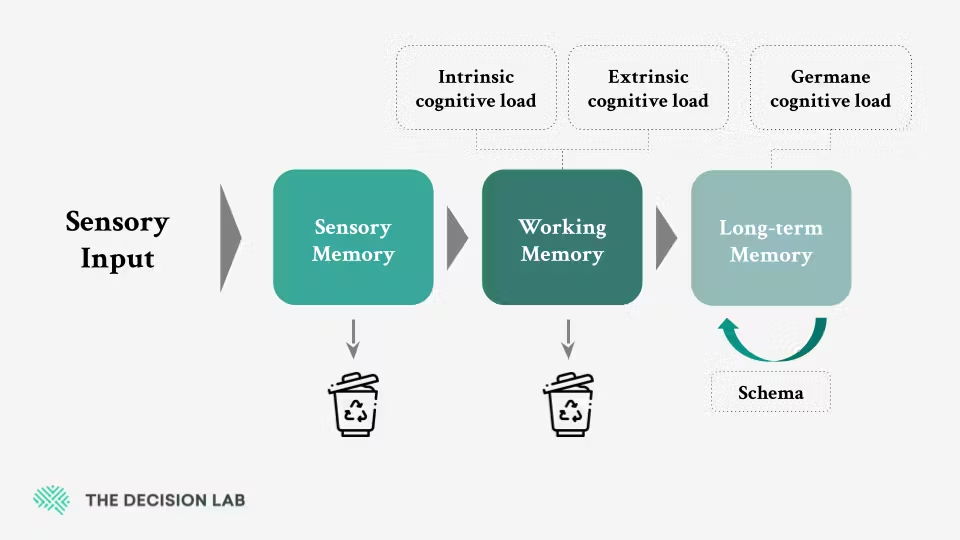
Poorly structured product categories contribute to this problem by:
- Presenting too many options at once
- Using inconsistent or unclear labeling
- Grouping unrelated products together
These issues force buyers to interpret the structure rather than focus on evaluating solutions.
Clear hierarchies address this challenge by breaking information into manageable layers. A well-defined structure typically includes:
- Broad top-level categories
- Clearly defined subcategories
- Consistent labeling conventions
This approach allows buyers to scan information quickly and understand where they are within the navigation. It reduces the need for interpretation and supports faster decision-making.
In B2B environments, where products often involve technical specifications or multiple configurations, reducing cognitive load is particularly important. It enables buyers to focus on assessing value rather than navigating complexity.
Aligning Category Structure with Buyer Intent
One of the most common challenges in product category design is misalignment between internal organization and external user needs.
Organizations often structure categories based on internal factors such as product teams, legacy systems, or operational workflows. While this may simplify internal management, it does not necessarily reflect how buyers approach solutions.
Buyers typically think in terms of outcomes. They are focused on solving specific problems or achieving defined goals. Category structures that align with these perspectives improve usability and relevance.
For example, organizing categories by:
- Use case
- Industry
- Application
can provide clearer entry points than organizing strictly by product type.
Aligning structure with buyer intent ensures that users can quickly identify where to begin and how to proceed. It reduces friction in the early stages of the decision process and supports more effective engagement.
Supporting Product Discovery and Comparison
Product category structure plays a critical role in both discovery and comparison.
Discovery involves helping buyers identify which products are relevant to their needs. Comparison involves enabling them to evaluate differences between those options in a clear and efficient manner.
A well-structured category system supports discovery by:
- Presenting relevant groupings of products
- Reducing the number of irrelevant options
- Guiding users toward appropriate subcategories
It supports comparison by:
- Clearly defining relationships between products
- Maintaining consistent categorization across similar offerings
- Enabling side-by-side evaluation within logical groupings
Without this structure, buyers may struggle to determine which products meet their needs or how they differ from one another. This can delay decision-making and reduce confidence in the final selection.
In B2B environments, where decisions often involve multiple stakeholders, clarity in both discovery and comparison becomes even more important. A structured approach helps ensure that all participants can access and interpret information consistently.
As organizations expand their product offerings, maintaining a clear and consistent category structure becomes increasingly important.
A scalable structure allows new products to be added without disrupting the overall user experience. It provides a framework that supports growth while preserving clarity and usability.
Without this foundation, expanding portfolios can lead to:
- Overlapping or redundant categories
- Inconsistent naming conventions
- Fragmented navigation paths
These issues accumulate over time and make it more difficult for buyers to navigate the site effectively.
A well-designed product category structure anticipates growth. It establishes rules for how products are grouped and labeled, ensuring that new additions fit seamlessly within the existing framework.
This consistency supports both user experience and internal efficiency, making it easier to manage and maintain the system over time.
The Impact on Digital Performance
Product category structure influences more than navigation. It also affects key digital performance metrics.
Clear and intuitive organization contributes to:
- Higher engagement rates
- Lower bounce rates
- Increased time on site
When buyers can easily find and evaluate relevant products, they are more likely to continue exploring and move deeper into the decision process.
In addition, structured categories support search engine optimization by creating clear relationships between pages. This improves indexing and helps search engines understand how content is organized.
For B2B organizations, where digital channels play a central role in research and evaluation, these improvements translate into stronger lead generation and more effective pipeline development.
Integrating Category Structure with Broader Strategy
Product category structure should not be treated as a standalone design decision. It is a strategic component of the broader digital experience.
Effective organizations integrate category structure with:
- Content strategy
- Search optimization
- Analytics and user behavior insights
This integration allows teams to continuously refine how products are organized based on actual user interaction.
For example, analyzing navigation patterns can reveal where buyers encounter friction or abandon the process. These insights can inform adjustments to category labels, hierarchy, or grouping.
By treating category structure as an evolving system rather than a fixed design, organizations can maintain alignment with changing buyer behavior and market conditions.
Strengthen Your B2B Strategy Today with ISBM
Strong product category structure supports more than usability. It enables buyers to navigate complex offerings with clarity, reduces friction throughout the decision process, and improves overall digital performance. As B2B organizations expand their portfolios and rely more heavily on digital channels, structured information architecture becomes a critical component of effective strategy and long-term growth.
Explore ISBM programs to better understand how advanced analytics and AI-driven decision models shape effective B2B strategy and long-term visibility. Become a member today!