

B2B lead generation continues to grow more data-intensive and more complex. Buyers conduct independent research across multiple digital channels. Buying groups expand. Sales cycles extend. Static automation workflows struggle to keep pace with these shifts.
AI agents for lead generation represent a strategic evolution. Rather than relying solely on predefined rules and scoring thresholds, AI agents interpret behavioral signals, adjust engagement paths, and continuously refine prioritization models.
For B2B organizations seeking sustainable growth, understanding how AI agents reshape lead generation is essential. The opportunity lies not in replacing human expertise, but in strengthening decision intelligence across the marketing-to-sales continuum.
Quick Takeaways
- AI agents move beyond rule-based automation to dynamic decision systems.
- Intelligent qualification models improve alignment with revenue outcomes.
- Multi-stakeholder engagement benefits from adaptive orchestration.
- Predictive insights strengthen pipeline visibility.
- Governance and strategic oversight remain central to effective deployment.
Moving Beyond Traditional Automation
Marketing automation systems improved operational efficiency by standardizing workflows. Email sequences, scoring rules, and trigger-based responses helped scale outreach.
However, these systems depend on static logic.
AI agents for lead generation operate differently. They monitor engagement across channels, interpret intent signals, and adjust responses in real time. Rather than waiting for a prospect to meet a fixed threshold, AI agents evaluate behavioral momentum.
For example, an account engaging with product specifications, industry case studies, and pricing documentation within a short window signals elevated buying interest. An AI agent can recalibrate scoring immediately and recommend tailored follow-up actions.
This shift from linear automation to adaptive orchestration enhances responsiveness and precision.
Improving Lead Qualification Accuracy
Accurate qualification determines whether marketing contributes meaningfully to revenue growth. Overly generous scoring inflates pipeline projections. Conservative thresholds delay outreach.
AI agents strengthen qualification accuracy by analyzing patterns across multiple dimensions simultaneously. These may include:
- Historical conversion data
- Account-level engagement depth
- Industry-specific buying behavior
- Stakeholder participation intensity
- External intent signals
Probability-based models replace simplistic point accumulation. Marketing and sales teams gain more reliable insight into which accounts warrant immediate engagement.
The result is stronger alignment between early-stage marketing activity and downstream revenue performance.
Orchestrating Engagement Across Buying Groups
B2B purchases involve multiple stakeholders. Technical evaluators, procurement leaders, financial officers, and executive sponsors contribute to final decisions.
AI agents for lead generation track role-based engagement patterns. When technical content attracts engineering stakeholders while ROI-focused materials resonate with finance leaders, agents adapt content sequencing accordingly.
This orchestration maintains coherence while addressing varied decision criteria within the account.
Organizations operating in complex industrial or enterprise markets benefit particularly from this capability. Coordinated engagement reduces friction and supports sustained momentum throughout evaluation cycles.
Enabling Real-Time Personalization
Personalization often relies on broad segmentation. Static lists categorize prospects based on firmographics or industry.
AI agents refine personalization through continuous learning. Engagement paths evolve as new behavioral data emerges. If an account transitions from exploratory research to vendor comparison, AI agents surface evaluation-focused content. If engagement declines, alternative value propositions can be introduced.
This dynamic recalibration enhances relevance while preserving strategic consistency.
Importantly, governance frameworks ensure that adaptive messaging aligns with brand positioning and compliance standards. AI supports execution, but strategic direction remains human-led.
Strengthening Predictive Pipeline Visibility
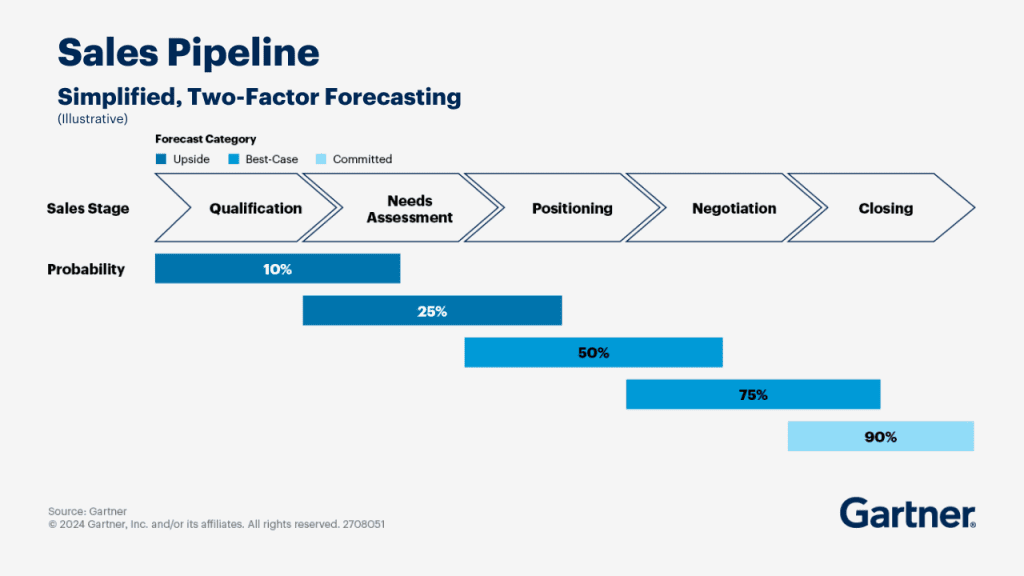
Executive leadership requires accurate forecasting. Marketing leaders must demonstrate measurable contribution to revenue growth.
AI agents enhance predictive visibility by identifying leading indicators of progression. Acceleration in content consumption, increased cross-role engagement, and interaction with pricing documentation signal heightened readiness.
As AI agents detect these patterns, probability models update in real time. Resource allocation decisions become more informed. Sales teams focus efforts on accounts with measurable engagement momentum.
Predictive insight strengthens strategic planning and improves confidence in pipeline projections.
Governance and Organizational Readiness
Effective deployment of AI agents for lead generation requires disciplined oversight.
Organizations must establish:
- Clear data governance standards
- Defined escalation protocols
- Transparent documentation of modeling logic
- Continuous monitoring and performance validation
AI-driven systems influence prioritization and outreach. Without oversight, misalignment can occur.
Successful organizations integrate AI capabilities within broader strategic frameworks. Cross-functional collaboration between marketing, sales, analytics, and IT ensures alignment and sustainability.
Strategic Implications for B2B Leaders
AI agents introduce analytical sophistication, but competitive advantage depends on strategic integration.
Organizations that combine high-quality data infrastructure, strong buyer insight, disciplined governance, and cross-functional alignment will derive the greatest value.
AI agents for lead generation enhance decision precision. They support adaptive engagement and strengthen predictive accuracy. However, long-term growth depends on thoughtful implementation rather than technological enthusiasm alone.
Integrating AI Agents Within Account-Based Strategies
Monitoring Account-Level Engagement Dynamics
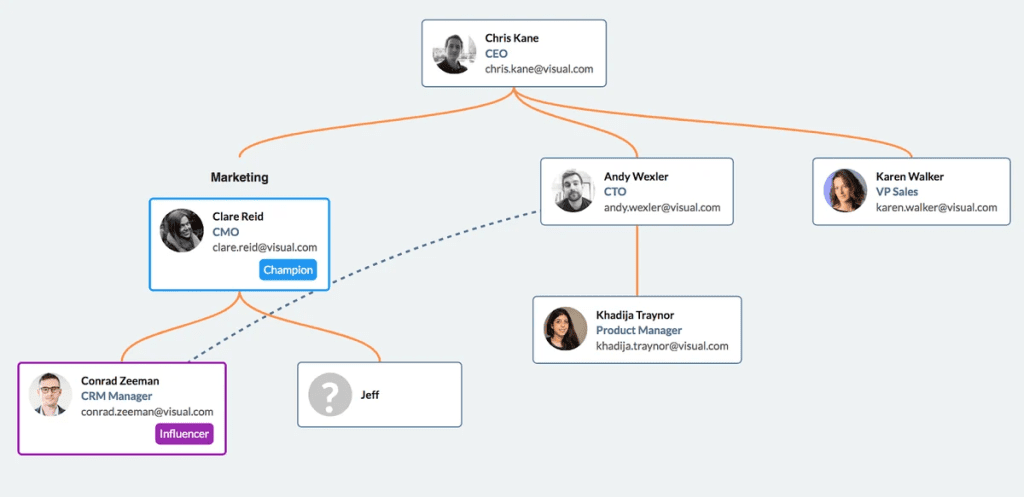
Account-based strategies prioritize high-value organizations rather than individual leads. However, manual oversight of multi-stakeholder engagement limits scalability.
AI agents continuously assess activity across entire buying groups. When multiple stakeholders increase engagement simultaneously, the system detects account-level acceleration.
Aligning Sales and Marketing Around Account Momentum
This insight enables coordinated outreach at the account level rather than relying on individual lead thresholds.
Sales teams receive clearer signals regarding which accounts demonstrate collective buying behavior. Marketing teams gain visibility into how content influences broader decision-making patterns.
In enterprise environments, AI agents operationalize account-based intelligence with analytical discipline.
Reframing Metrics: From Volume to Quality of Opportunity
Shifting Away from Lead Volume as a Primary Indicator
Traditional lead generation reporting emphasizes volume metrics such as marketing-qualified leads and cost per lead. While these measures provide visibility into activity, they do not consistently predict downstream revenue impact.
AI agents for lead generation introduce a more refined evaluation framework. Rather than focusing on isolated interactions, AI agents analyze behavioral intensity and progression patterns.
Evaluating Behavioral Substance Over Activity
Repeated engagement across technical documentation, pricing materials, and comparative analysis signals deeper buying intent than a single gated content interaction.
AI-driven probability modeling distinguishes between exploratory activity and coordinated evaluation behavior. This recalibration strengthens pipeline integrity and supports more accurate forecasting.
For B2B leaders, the shift represents a move from activity-based reporting toward opportunity intelligence grounded in behavioral evidence.
Elevate Lead Generation Today with ISBM
AI agents for lead generation signal a shift from static automation to adaptive decision systems. By strengthening qualification accuracy, enabling multi-stakeholder orchestration, and improving predictive visibility, AI agents enhance the effectiveness of B2B marketing strategies.
Yet technology alone does not drive performance. Strategic oversight, governance discipline, and organizational alignment remain essential.
Today with ISBM, B2B leaders can deepen their understanding of advanced analytics, AI-driven modeling, and strategic frameworks that shape effective lead generation and long-term growth.
Explore ISBM programs to better understand how advanced analytics and AI-driven decision models shape effective B2B strategy and long-term visibility. Become a member today!