

Artificial intelligence is becoming a structural capability within B2B marketing organizations. Advanced analytics, machine learning models, and predictive systems now influence how teams analyze buyer behavior, prioritize accounts, and measure marketing performance.
As AI capabilities expand, marketing leadership roles are changing as well. Marketing leaders must now oversee how data flows through the organization, how algorithms influence decisions, and how teams apply AI insights responsibly.
AI readiness leadership therefore extends beyond technology adoption. It requires leaders who understand data governance, analytical models, and operational alignment across marketing, sales, and product teams.
Organizations that prepare marketing leadership for these responsibilities position themselves to use AI as a strategic capability rather than a standalone technology investment.
Quick Takeaways
- AI readiness leadership requires marketing leaders to understand both strategy and data systems.
- Marketing leaders must oversee data governance to ensure reliable inputs for AI-driven insights.
- Predictive analytics and machine learning are expanding the role of marketing leaders in decision support.
- Collaboration between marketing, sales, and analytics teams becomes more important as AI systems influence revenue planning.
- Organizations that build leadership readiness for AI adoption improve marketing visibility, forecasting accuracy, and strategic decision-making.
AI Is Expanding the Scope of Marketing Leadership
Marketing leadership roles historically focused on brand positioning, campaign strategy, and demand generation programs. Data analysis supported these activities, but leaders often relied on specialized analytics teams to interpret complex datasets.
AI-driven marketing systems change this dynamic.
Machine learning models can now analyze large datasets, identify patterns in buyer behavior, and generate predictive insights about future demand. These capabilities introduce new opportunities for marketing organizations but also create new leadership responsibilities.
Marketing leaders must now understand how AI-driven tools influence decision-making across several areas.
Strategic planning
AI systems increasingly support:
- Market segmentation analysis
- Account prioritization models
- Demand forecasting
- Campaign optimization recommendations
Marketing leaders must evaluate whether these insights align with business objectives and revenue targets.
Operational oversight
AI also influences operational marketing processes such as:
- Lead scoring models
- Content personalization
- Marketing automation workflows
- Customer data analysis
Leadership must ensure that these systems operate consistently and produce reliable insights.
Performance evaluation
AI systems often generate recommendations that affect how marketing performance is measured. Leaders must understand the logic behind predictive models and ensure that performance metrics reflect meaningful business outcomes.
As AI adoption expands, marketing leadership increasingly involves managing analytical systems alongside traditional marketing strategy.
Data Governance Is Now a Core Leadership Responsibility
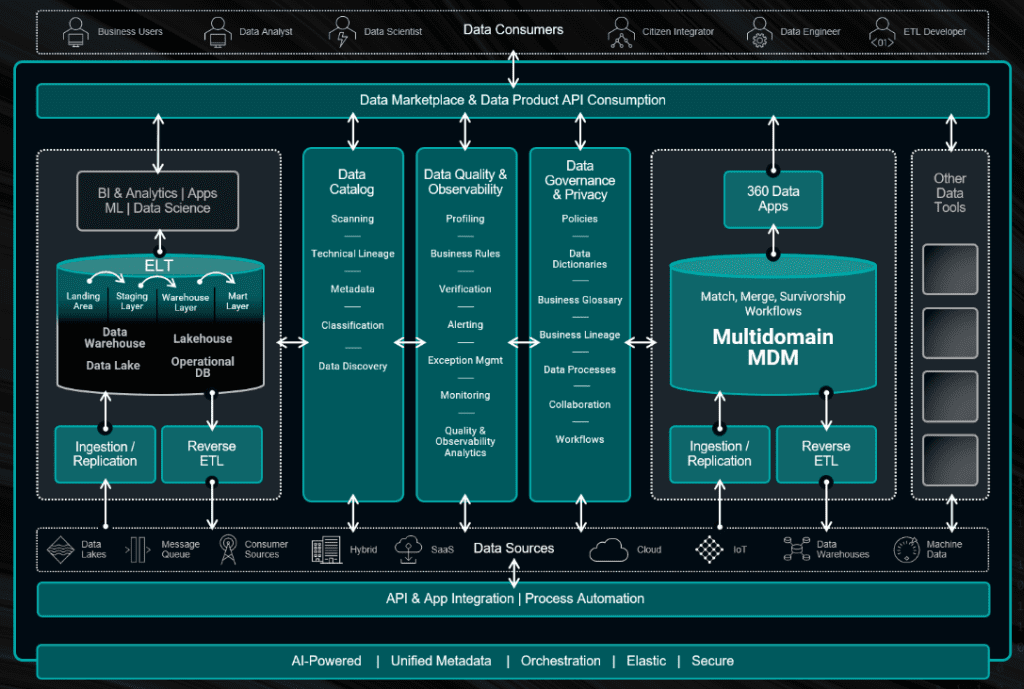
AI systems rely on large volumes of structured data. Without reliable data inputs, predictive models produce inaccurate or misleading insights.
For this reason, AI readiness leadership requires marketing leaders to take an active role in data governance.
Why data quality matters for AI systems
Machine learning models analyze historical marketing and sales data to identify patterns. These patterns influence how the system predicts future outcomes.
Poor data quality can introduce several problems:
- Inaccurate demand forecasting
- Biased buyer segmentation models
- Misleading campaign performance insights
- Incorrect lead prioritization
When data quality issues exist, AI systems amplify those inconsistencies rather than correcting them.
Leadership responsibilities in data governance
Marketing leaders must ensure that their organizations establish clear data management practices. Key governance responsibilities include:
- Defining consistent data standards across marketing and sales systems
- Establishing ownership for critical data fields
- Monitoring data quality through regular audits
- Aligning marketing analytics with CRM data structures
These governance practices create the foundation that AI-driven analytics require.
Without strong data governance, organizations risk making strategic decisions based on flawed insights.
AI Readiness Requires Stronger Collaboration Across Functions
AI adoption rarely occurs within marketing alone. Predictive analytics systems often rely on data from multiple departments, including sales, finance, and product teams.
Marketing leaders must therefore coordinate across several functions to ensure that AI initiatives support broader business goals.
Marketing and sales alignment
Many AI-driven insights relate directly to revenue outcomes. Examples include:
- Opportunity scoring models
- Pipeline forecasting systems
- Buyer intent analysis
Marketing leaders must work closely with sales leadership to ensure that these models reflect real sales processes and opportunity stages.
Marketing and analytics collaboration
Data science and analytics teams typically develop and maintain machine learning models. Marketing leaders must collaborate with these teams to translate analytical outputs into actionable marketing strategy.
This collaboration often includes:
- Interpreting predictive model outputs
- Aligning marketing metrics with analytical frameworks
- Evaluating model performance over time
Marketing and executive leadership coordination
AI initiatives frequently require investment in new platforms, data infrastructure, and analytical capabilities. Marketing leaders must communicate the strategic value of these investments to executive leadership.
Strong cross-functional collaboration helps organizations integrate AI capabilities into broader strategic planning.
Marketing Leaders Must Interpret AI Insights Responsibly
AI systems can analyze complex data patterns faster than human analysts. However, these systems still require human oversight to interpret results appropriately.
Marketing leaders must therefore develop the ability to evaluate AI-generated insights critically.
Understanding model limitations
Predictive models rely on historical data. As a result, they may not fully account for emerging market shifts, new buyer segments, or unexpected changes in demand.
Marketing leaders must ask important questions when evaluating AI insights:
- Does the model reflect current market conditions?
- Are there external factors that the model may not capture?
- Does the recommendation align with broader business strategy?
Avoiding overreliance on automation
AI systems provide valuable decision support, but they should not replace strategic judgment.
Marketing leaders must maintain oversight of key decisions such as:
- Market positioning strategies
- Product messaging
- Strategic account targeting
AI can inform these decisions, but leadership experience remains essential for evaluating long-term implications.
Building analytical literacy among marketing teams
AI readiness leadership also involves preparing marketing teams to interpret AI-generated insights. Leaders must encourage analytical literacy so that team members understand how models influence campaign recommendations.
Organizations that build analytical understanding across marketing teams can apply AI insights more effectively.
Preparing Marketing Leadership for an AI-Driven Future
AI capabilities will continue to expand across B2B marketing organizations. Predictive analytics, natural language processing, and automated decision systems are already influencing how companies identify demand opportunities and evaluate buyer engagement.
Marketing leaders must prepare their teams to operate effectively in this evolving environment.
Leadership capabilities that support AI readiness
Several leadership capabilities will become increasingly important as AI adoption expands:
- Understanding data architecture and system integration
- Interpreting predictive analytics outputs
- Coordinating AI initiatives across business functions
- Ensuring responsible use of data and algorithms
Organizations that invest in leadership development across these areas position themselves to use AI as a strategic advantage.
Organizational benefits of AI-ready leadership
When marketing leaders develop strong AI readiness capabilities, organizations gain several advantages:
- Improved forecasting accuracy
- More precise account prioritization
- Better alignment between marketing and sales teams
- Stronger visibility into buyer behavior
These capabilities help organizations make more informed strategic decisions and improve long-term growth outcomes.
Develop AI Readiness Leadership Today with ISBM
AI adoption is transforming how B2B marketing organizations analyze buyer behavior, prioritize opportunities, and evaluate performance. As these capabilities expand, marketing leadership roles must evolve as well.
Leaders must understand how AI systems operate, ensure that data governance supports reliable analytics, and guide teams in applying predictive insights responsibly. Organizations that invest in AI readiness leadership strengthen their ability to translate advanced analytics into strategic decision-making.
Explore ISBM programs to better understand how advanced analytics and AI-driven decision models shape effective B2B strategy and long-term visibility. Become a member today!