

Search has shifted from keyword matching to intent interpretation. AI now shapes how search engines understand queries, evaluate content, and determine rankings.
For B2B organizations, this shift requires a more strategic approach to SEO. Traditional tactics that focus on keyword density or backlink volume no longer produce consistent results. Instead, teams must focus on relevance, context, and user behavior.
AI-powered SEO allows marketers to analyze large datasets, uncover patterns, and refine strategy more efficiently. It also raises expectations. Content must demonstrate expertise, align with user intent, and deliver clear value.
In 2026, SEO depends on the balance between automation and human insight. Organizations that understand how to apply AI effectively will improve visibility and support stronger decision-making across the buyer journey.
Quick Takeaways
- AI-powered SEO improves how marketers analyze search intent and user behavior
- Search engines rely more on AI models to rank content based on context, not just keywords
- Predictive analytics helps B2B teams plan content before demand peaks
- AI tools support content creation, but human expertise remains essential for accuracy and relevance
- Technical SEO now depends on automation to manage performance at scale
AI Is Redefining Search Intent Analysis
Search engines now use advanced AI models to interpret meaning, not just keywords. This changes how marketers approach keyword research and content planning.
Types of Search Intent AI Can Identify
AI tools analyze behavior and engagement signals to group queries into intent categories.
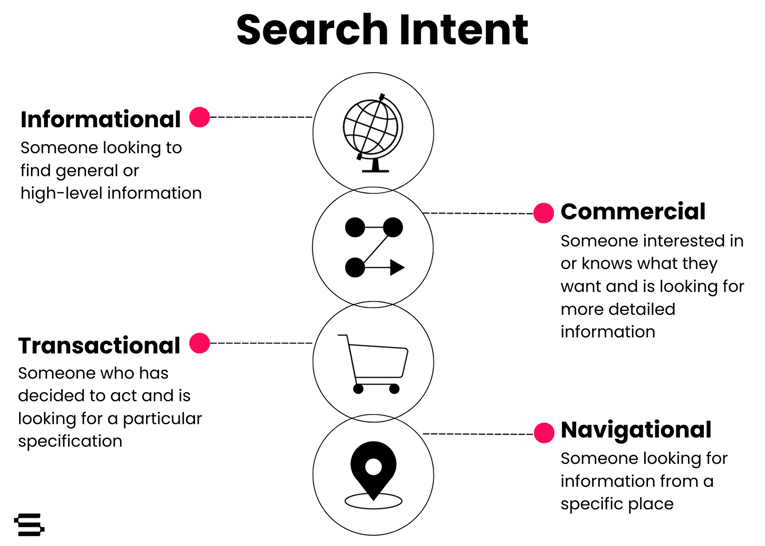
These often include informational, navigational, and transactional intent. However, AI goes further by identifying nuances within each category.
For example, a search for “contract management software” may reflect early research, vendor comparison, or feature evaluation. AI helps distinguish between these variations.
Mapping Intent to the B2B Buyer Journey
B2B buying processes involve multiple stakeholders and longer timelines. AI-powered SEO helps align content with each stage of this journey.
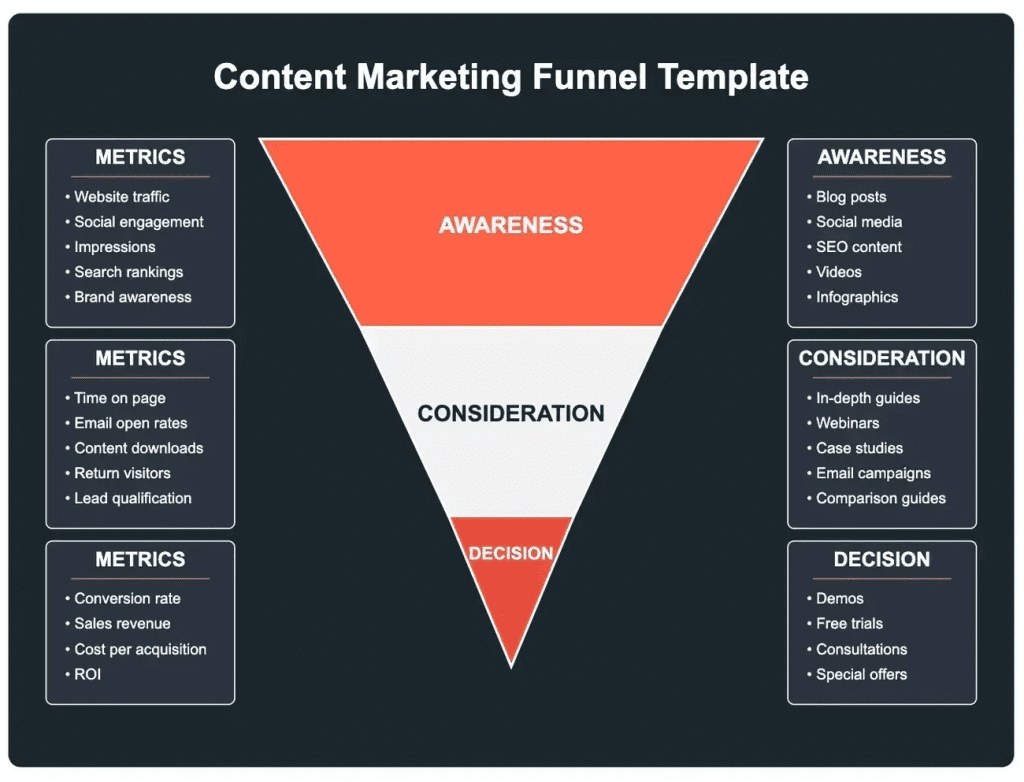
Early-stage content focuses on education and problem definition. Mid-stage content supports comparison and evaluation. Late-stage content addresses decision criteria and implementation concerns.
By mapping intent to these stages, marketers create targeted content that addresses specific needs. This approach reduces reliance on broad, generic pages and improves engagement across the funnel.
Content Creation Is Faster but Requires Strong Oversight
AI tools have accelerated content production. Teams can generate outlines, drafts, and optimization recommendations quickly.
Where AI Adds Efficiency
AI supports several stages of the content process, including:
- Generating topic ideas based on search trends
- Creating structured content briefs
- Drafting initial versions of articles
- Suggesting keyword placement and optimization
These capabilities help teams scale production and maintain consistency.
Where Human Expertise Is Required
Despite these benefits, AI-generated content often lacks depth and industry context. B2B audiences expect accuracy, clarity, and practical insight.
Human writers refine content to ensure it reflects real expertise and aligns with brand standards. They add examples, clarify complex ideas, and verify information.
This combination improves both efficiency and quality. AI handles repetitive tasks, while humans ensure the content remains relevant and credible.
Predictive Analytics Is Changing Content Strategy
AI-powered SEO introduces predictive capabilities that shift how teams plan content. Instead of reacting to trends, marketers can anticipate them.
AI models analyze historical search data, seasonality, and emerging patterns. This allows teams to identify topics before they reach peak demand.
AI-driven insights help teams:
- Identify emerging topics early
- Prioritize high-impact content opportunities
- Plan editorial calendars with greater accuracy
For B2B organizations, this approach provides a clear advantage. Content often requires time to develop and distribute. Publishing early allows companies to establish authority before competitors enter the space.
Predictive analytics also supports better resource allocation. Teams focus on topics with measurable potential rather than relying on assumptions. This leads to more consistent performance and stronger long-term results.
Technical SEO Now Relies on Automation
As websites grow, technical SEO becomes more complex. AI helps manage this complexity through automation.
Modern tools monitor performance and identify issues in real time. They also provide recommendations based on user behavior and search engine requirements.
AI tools now automate tasks such as:
- Detecting crawl and indexing issues
- Monitoring page speed and performance
- Identifying broken links and redirect chains
- Recommending internal linking opportunities
Automation allows teams to resolve issues quickly, reducing the risk of ranking declines. It also frees up time for strategic work.
AI also supports structured data implementation, which helps search engines better understand content. For organizations with large content libraries, this level of automation ensures consistency and scalability.
Personalization Is Becoming a Core Ranking Factor
Search engines increasingly prioritize content that aligns with individual user preferences. AI enables this by analyzing behavior, location, and past interactions.
This shift changes how content is created and delivered. Marketers must consider how different audiences engage with the same topic.
For example, a procurement leader and a technical stakeholder may search for similar terms but expect different types of information. AI helps identify these differences and guide content development.
Personalization also improves on-site experiences. Dynamic content, tailored recommendations, and adaptive navigation increase engagement and retention.
In B2B contexts, personalization supports account-based strategies. It allows organizations to deliver relevant content to specific industries, roles, or companies. As search engines continue to refine personalization, content that aligns with these expectations will perform more effectively.
Human Expertise Remains Essential
AI has transformed SEO processes, but it does not replace human judgment. Expertise plays a critical role in ensuring content quality and relevance.
Search engines now evaluate signals related to credibility, authority, and trust. These signals depend on how well content reflects real-world knowledge and experience.
B2B topics often involve technical detail, regulatory considerations, and industry-specific language. These elements require human input to ensure accuracy.
Organizations that rely entirely on automation risk producing content that feels generic. Over time, this reduces engagement and search performance.
The most effective approach combines AI capabilities with expert insight. AI provides speed and data analysis, while humans ensure clarity and strategic alignment.
Build Smarter SEO Strategies Today with ISBM
AI continues to reshape how search operates, but the goal remains consistent. Organizations must create content that supports informed decision-making and meets user needs.
AI-powered SEO improves analysis, increases efficiency, and enables more strategic planning. At the same time, it requires careful oversight to maintain quality and relevance.
B2B marketers who invest in both technology and expertise will achieve stronger results. They will adapt more quickly, produce higher-quality content, and build sustainable visibility.
Explore ISBM programs to better understand how advanced analytics and AI-driven decision models shape effective B2B strategy and long-term visibility. Become a member today!