

Amid the constant flood of data and marketing messages, one approach stands out for its ability to connect on a deeper level: storytelling.
B2B storytelling transcends traditional marketing by weaving narratives that engage, inspire, and build trust with other businesses. Unlike typical marketing techniques that focus solely on features and benefits, storytelling humanizes a brand, making it relatable and memorable.
This article explores the power of B2B storytelling and how it can elevate your brand, fostering stronger connections and driving success in modern B2B marketing.
Quick Takeaways
- Crafting genuine and relevant narratives helps establish a strong brand identity and fosters trust with business clients.
- The funnel stages, TOFU, MOFU, and Effective storytelling captures attention and keeps audiences engaged, making potential clients more likely to remember and choose your brand.
- Unique and compelling stories set your brand apart from competitors, highlighting what makes your business special.
- Incorporating storytelling into content marketing, social media, and sales strategies can significantly improve engagement and drive business success.
Understanding B2B Storytelling
B2B storytelling involves crafting narratives that connect with business clients on an emotional and intellectual level.
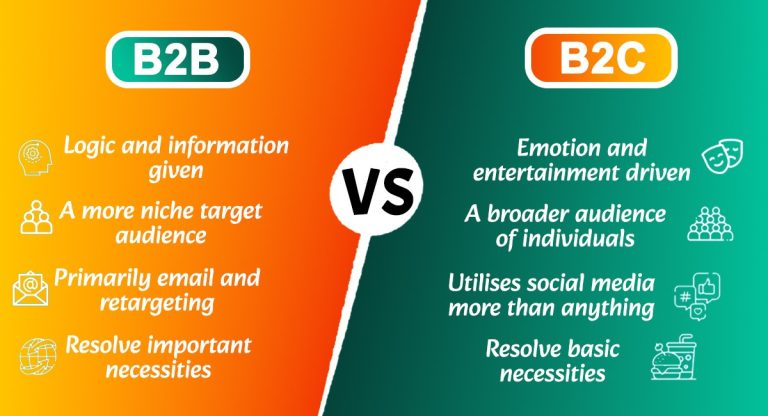
Unlike B2C storytelling, which often focuses on individual consumer emotions, B2B storytelling aims to build trust and demonstrate value to other businesses.
The B2B marketing funnel is a helpful tool for B2B marketers to understand their customers’ needs and tailor their marketing strategies accordingly. By providing targeted and relevant content at each stage of the funnel, marketers can build trust, establish thought leadership, and ultimately drive conversions.
Why Are The B2B Marketing Funnel Stages Important?
This approach highlights a brand’s unique qualities and solutions, making it easier for potential clients to understand and relate to the brand.
Effective B2B stories share common elements that make them impactful:
- Authenticity: Genuine stories resonate more with audiences. They should reflect the true nature and values of the business.
- Relevance: Stories need to be relevant to the target audience’s challenges and needs.
- Emotional Connection: Even in a business context, evoking emotions can create a lasting impression.
- Value Demonstration: The story should clearly illustrate the value the brand brings to its clients.
The Benefits of B2B Storytelling
Building Brand Identity and Trust
Storytelling helps establish a strong brand identity. By consistently sharing stories that reflect your brand’s values and mission, you build a recognizable and trustworthy image. Clients are more likely to engage with a brand they trust, leading to stronger business relationships.
Engaging and Retaining Customers
Compelling stories capture attention and keep audiences engaged. In a B2B context, this means potential clients are more likely to remember your brand and consider it when making purchasing decisions. Additionally, storytelling can enhance client retention by continually reinforcing the brand’s value and commitment to its clients.
Positive online reviews and customer testimonials, integral parts of storytelling, can increase conversion rates by up to 15%. This highlights the importance of incorporating social proof in your narratives, as it demonstrates the real-world impact of your solutions and builds trust with potential clients.
Differentiation in a Competitive Market
In a crowded market, standing out is crucial. Storytelling provides a unique way to differentiate your brand from competitors. By sharing unique stories about your company’s journey, successes, and values, you can highlight what makes your brand special, making it easier for clients to choose you over others.
Crafting Your B2B Story
Identifying Your Audience
Understanding your target audience is the first step in crafting an effective B2B story. Identify their pain points, needs, and interests. This understanding will help tailor your story to resonate deeply with them.
Personalization, a key aspect of effective storytelling, significantly contributes to business profitability, according to 90% of leading marketers.

This tailored approach can significantly boost engagement and sales by ensuring that your narratives address the specific needs and preferences of your audience, making your brand more relatable and compelling.
Creating a Narrative Framework
A strong narrative framework is essential for a compelling story. This framework includes:
- Setting: Describe the context in which your business operates.
- Characters: Introduce the people or businesses involved in the story.
- Conflict: Highlight the challenges or problems faced.
- Resolution: Show how your brand provided a solution, leading to a successful outcome.
Implementing B2B Storytelling in Marketing Strategies
Content Marketing
Integrating storytelling into content marketing can significantly enhance its impact. Use storytelling across various content formats such as:
- Blogs
- Whitepapers
- Videos
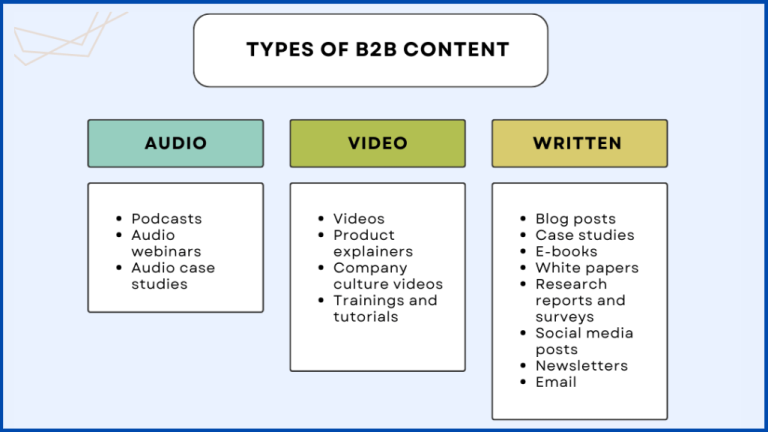
For instance, a blog post can narrate a client’s journey from facing a problem to finding a solution through your product or service. Whitepapers can include detailed case studies that tell a success story, and videos can showcase real-life testimonials and experiences, making the content more engaging and relatable.
Social Media and Digital Campaigns
Social media platforms and digital campaigns offer excellent opportunities to leverage storytelling. Share stories through posts, infographics, and short videos that capture your audience’s attention.
Digital campaigns can include email series that tell a cohesive story over several messages, or interactive content like webinars where clients share their experiences. By using storytelling in these mediums, you create a consistent and compelling narrative that resonates with your audience.
In fact, 70% of B2B marketers who have used social media for the past 12 months have seen an increase in sales, demonstrating the power of engaging content, including storytelling, on these platforms. This underscores the importance of integrating storytelling into your social media strategy to drive engagement and business growth.
Sales and Customer Relations
Storytelling can also play a pivotal role in sales and customer relations. Sales pitches that incorporate stories are more memorable and persuasive. Train your sales team to use storytelling techniques when presenting to potential clients.
This could involve sharing success stories of similar businesses or illustrating the potential impact of your solutions through narrative examples. In customer relations, use storytelling to address concerns and demonstrate your ongoing commitment to client success, fostering deeper and more trustful relationships.
Embrace Storytelling in Your Marketing with ISBM
B2B storytelling is a powerful tool that can transform your brand by building trust, engaging customers, and differentiating you from competitors. By crafting compelling narratives and integrating them into your marketing strategies, you create lasting connections with your audience.
ISBM is a nonprofit, global network of business researchers and practitioners. Ask about how an ISBM Membership can help you now or visit ISBM today to learn more!