

Search engine optimization continues to play a central role in how B2B organizations establish visibility, credibility, and demand. But in 2026, the forces shaping SEO outcomes look materially different than they did even a few years ago. Advances in artificial intelligence, tightening privacy standards, and evolving evaluation criteria within search platforms are changing how information is surfaced, interpreted, and trusted.
In this context, SEO trends should not be understood as tactical updates or short-term best practices. Instead, they reflect structural shifts in how search engines mediate information, how performance is measured, and how authority influences visibility in complex B2B markets. These changes affect not only execution but also the analytics, decision models, and strategic assumptions that guide marketing investment.
This article examines the most consequential SEO trends, with a focus on how AI-driven search experiences, privacy constraints, and authority signals are reshaping B2B visibility. The goal is to move beyond surface-level optimization and clarify what these trends mean for organizations seeking sustained relevance and influence in evolving search environments.
Quick Takeaways
- SEO trends in 2026 reflect structural changes in how search engines evaluate, summarize, and surface B2B content.
- AI-mediated search experiences increasingly shape visibility by selecting and interpreting content rather than simply ranking it.
- Privacy constraints are forcing B2B marketers to rely more on modeled insights and aggregated signals than granular behavioral data.
- Authority and credibility now influence SEO performance more than isolated optimization efforts.
AI-Mediated Search Is Reshaping How B2B Content Gets Selected
Marketing decisions increasingly rely on outputs generated by advanced analytics and machine learning models. These outputs often appear objective, precise, and authoritative. Without sufficient AI literacy, teams may accept recommendations at face value, even when the underlying data or assumptions are flawed.
AI literacy helps decision-makers ask better questions. Where did the data come from? What variables influence this recommendation? Under what conditions might the model fail? In B2B environments, where decisions affect long sales cycles and complex buyer relationships, unexamined AI output can introduce risk rather than reduce it.
From Ranking Systems to Decision Intermediaries
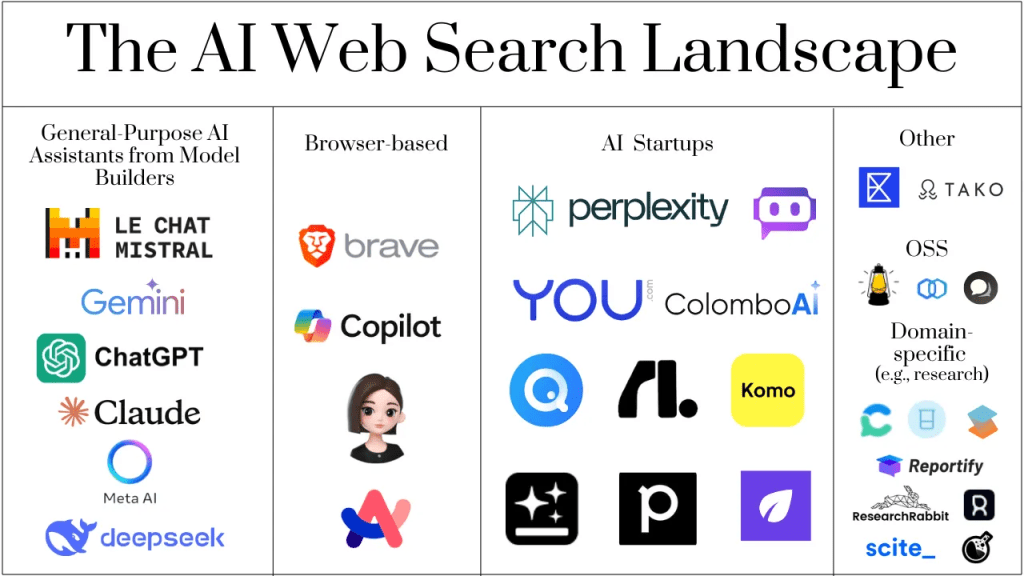
One of the most significant SEO trends in 2026 is the growing role of artificial intelligence in how search engines interpret and present information. Search platforms increasingly act as intermediaries that synthesize and contextualize content rather than simply ranking pages and directing users outward.
For B2B marketers, this shift changes what visibility means. Search outcomes now depend on whether content is selected, summarized, or referenced within AI-generated responses, not just where it appears on a results page.
How AI Changes Content Evaluation
AI-driven experiences evaluate content differently than traditional ranking models. Rather than focusing on isolated signals, these systems assess broader patterns of clarity, consistency, and relevance across topics.
Key implications include:
- Preference for content that supports interpretability and context
- Greater emphasis on coherent narratives across related subject areas
- Increased weighting of credibility and expertise signals
This trend reflects a structural change in how search decisions occur. Visibility now depends on how well content fits within AI-driven interpretation frameworks, not solely on technical optimization.
Strategic Implications for B2B SEO
As AI mediates more search interactions, SEO becomes less about page-level tuning and more about strategic alignment. B2B organizations must coordinate content development, subject matter expertise, and analytics to ensure search visibility reflects meaningful authority rather than fragmented optimization efforts.
Privacy Constraints Are Forcing New SEO Measurement Models
The Decline of Granular Behavioral Data
Another defining SEO trend in 2026 is the continued impact of privacy regulations and platform-level data restrictions. As access to individual-level behavioral data diminishes, many traditional SEO measurement practices lose reliability.
Metrics such as keyword-level attribution, detailed session tracking, and linear conversion paths provide less insight than they once did. This shift forces organizations to reconsider how SEO performance is evaluated.
The Shift Toward Modeled and Aggregated Insights
In response to reduced data visibility, B2B marketers increasingly rely on:
- Aggregated performance signals
- Modeled attribution frameworks
- Trend-based analysis rather than point-in-time metrics
This approach changes how SEO success is defined. Instead of optimizing around short-term traffic changes, organizations assess sustained visibility, engagement quality, and contribution to downstream demand.
Implications for Analytics and Decision-Making
Privacy constraints elevate the role of analytics discipline in SEO strategy. Teams must interpret incomplete data sets, reconcile signals across channels, and make informed decisions under uncertainty.
As a result, SEO functions less as a tactical reporting activity and more as a strategic input into marketing planning. Organizations that adapt their measurement models are better positioned to maintain confidence in SEO decision-making despite continued data limitations.
Authority Signals Now Outweigh Tactical Optimization in B2B SEO
A Shift in How Relevance Is Determined
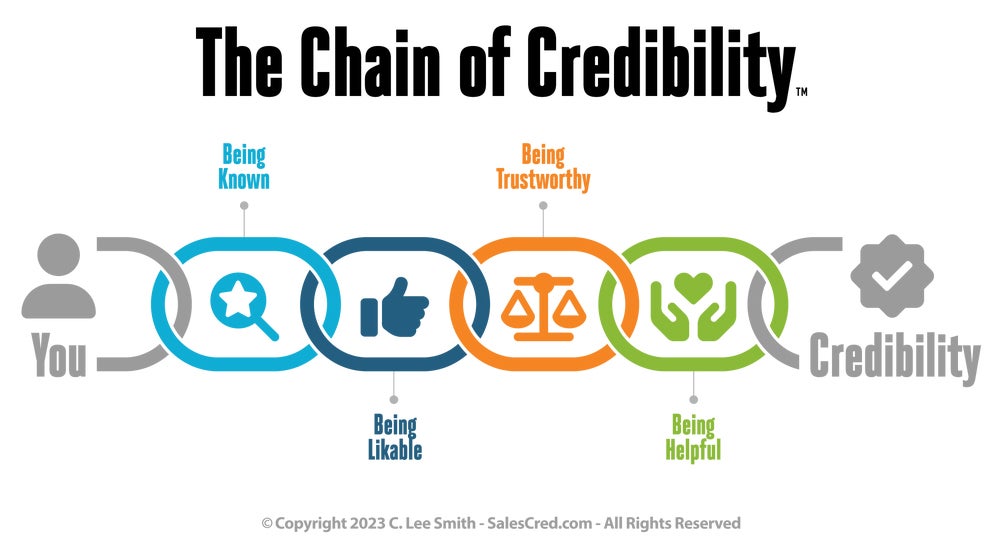
A third major SEO trend in 2026 is the growing dominance of authority-based signals over isolated optimization efforts. Search engines increasingly evaluate organizations as knowledge sources rather than collections of individual pages.
This shift reflects a recalibration of relevance. Historical consistency, topical depth, and demonstrated expertise now influence visibility more than narrow keyword alignment.
What Authority-Based Evaluation Rewards
Search platforms favor organizations that:
- Demonstrate sustained focus within defined domains
- Publish consistent, credible insights over time
- Align content with recognized expertise and market relevance
Tactical SEO improvements still matter, but they rarely compensate for weak authority signals in complex B2B queries.
Long-Term Strategy Over Short-Term Optimization
For B2B marketers, this trend reinforces the importance of long-term positioning. Authority develops through coherent messaging, research-driven content, and strategic consistency.
As authority becomes a primary driver of visibility, SEO aligns more closely with brand credibility and institutional trust. Organizations that treat SEO as part of broader strategic influence, rather than a standalone optimization exercise, are better equipped to sustain visibility in competitive B2B search environments.
Strengthen B2B SEO Decision-Making Today with ISBM
The SEO trends shaping 2026 underscore a broader shift in how B2B marketing decisions are made and evaluated. As AI increasingly mediates search experiences, privacy limits granular data access, and authority signals carry greater weight, organizations must rely on more advanced analytics and disciplined decision frameworks to guide visibility strategies.
Today with ISBM, marketing leaders can access research and executive education designed to support data-driven, AI-informed decision-making in complex B2B markets.
Explore ISBM programs to better understand how advanced analytics and AI-driven decision models shape effective B2B strategy and long-term visibility. Become a member today!