

B2B inbound marketing is a strategy that not only attracts potential buyers, but also engages and nurtures them throughout their journey. As businesses increasingly recognize the value of building meaningful relationships with their customers, understanding the principles and strategies behind B2B inbound marketing has become essential.
This guide aims to demystify B2B inbound marketing for beginners, offering clear and actionable insights to help you navigate this crucial aspect of modern business strategy.
Quick Takeaways
- B2B inbound marketing effectively attracts and nurtures leads by offering valuable content tailored to the specific needs of potential buyers.
- Optimizing content for search engines and strategically capturing leads through well-placed CTAs (calls-to-action) is crucial for driving traffic and conversions in B2B marketing.
- Addressing content creation hurdles, aligning sales and marketing teams, and maximizing ROI (return on investment) are essential for the success of a B2B inbound marketing strategy.
- Regularly analyzing metrics, staying agile, and leveraging the right tools are necessary to keep your B2B inbound marketing strategy effective and adaptable over time.
Understanding B2B Inbound Marketing
B2B inbound marketing is a strategy focused on attracting potential buyers through valuable content and tailored experiences. Unlike traditional outbound marketing, which pushes messages to a broad audience, inbound marketing pulls prospects in by addressing their specific challenges.
Key Principles of B2B Inbound Marketing
- Attract: Use content to draw in prospects who are seeking solutions.
- Engage: Build meaningful relationships through personalized interactions.
- Delight: Provide ongoing value that turns customers into loyal advocates.
Importance in B2B Context
Inbound marketing is particularly effective in B2B due to its ability to nurture leads over longer sales cycles, which aligns with the extended decision-making process typical in these markets. It also addresses the complexity of B2B buyer journeys by providing tailored content that speaks to specific pain points at each stage.
Additionally, inbound marketing plays a crucial role in building trust with multiple stakeholders, a key factor in successful B2B conversions.
Crafting a Successful B2B Inbound Marketing Strategy
Content Marketing Essentials
High-quality, relevant content is the foundation of a successful B2B inbound strategy. Blogs, in particular, are a powerful tool for driving lead generation. In fact, B2B marketers who have blogs generate 67% more leads than those who don’t.

B2B marketers also focus on:
- White Papers: Demonstrate thought leadership and in-depth knowledge.
- Case Studies: Showcase real-world successes and how you’ve solved similar challenges.
- Webinars: Engage your audience with interactive and educational sessions.
By developing a robust content marketing plan that includes blogs, white papers, and case studies, you can effectively attract and engage potential buyers.
SEO and Lead Generation
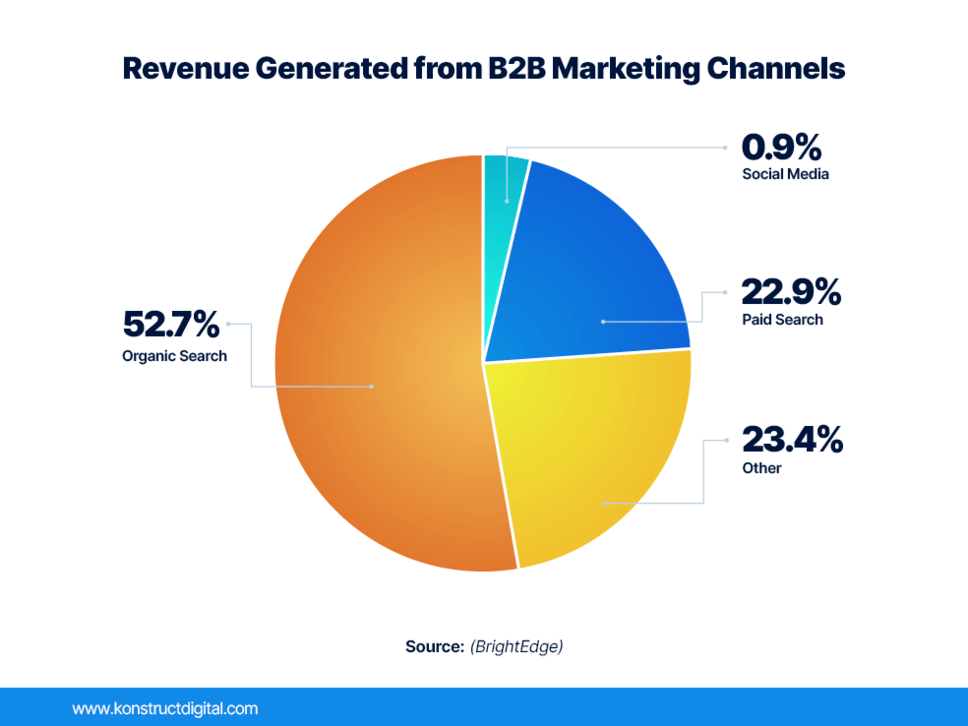
Optimizing your content for search engines is crucial to ensuring that potential buyers can easily find your offerings. B2B companies generate almost 2x more revenue from organic search than any other channel, making it a cornerstone of an effective inbound marketing strategy.
Leveraging Marketing Automation
Marketing automation can streamline your inbound strategy by:
- Automating Lead Nurturing: Send personalized emails based on user behavior and engagement.
- Scheduling Content: Maintain consistency in your outreach without manual effort.
- Personalizing Content Delivery: Tailor content to each lead’s stage in the buyer’s journey, ensuring relevance and engagement.
Addressing Common Challenges in B2B Inbound Marketing
1. Overcoming Content Creation Hurdles
One of the significant challenges in B2B inbound marketing is generating consistent, high-quality content that resonates with your target audience. Given the complexity and time investment required, it’s no surprise that half of B2B marketing teams outsource at least one content marketing activity.
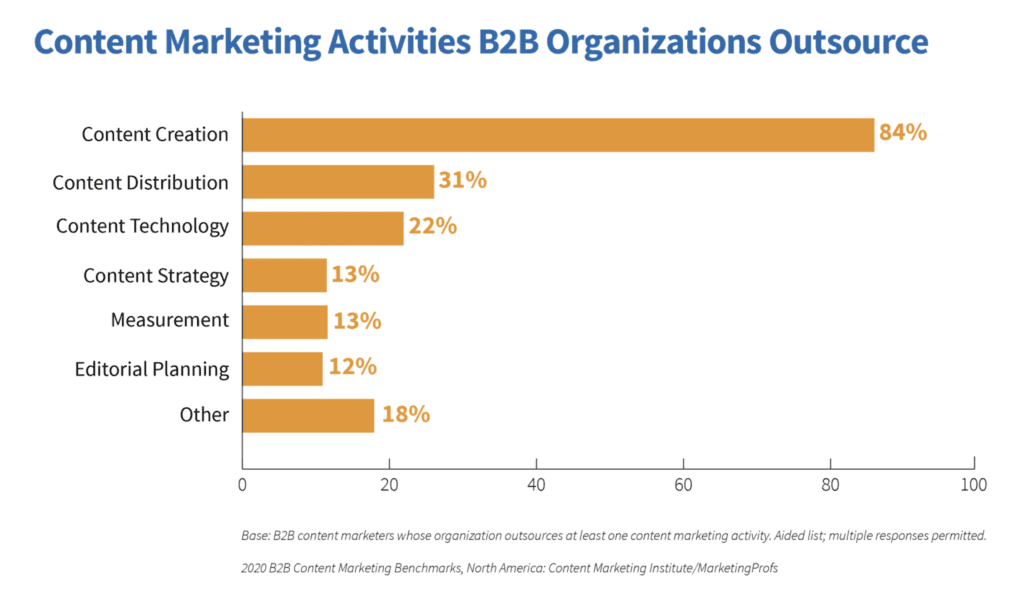
This reliance on external resources underscores the importance of having a well-defined content strategy and the need for collaboration with skilled partners to maintain a steady flow of valuable content.
To overcome these hurdles, consider developing a content calendar, repurposing existing materials, and partnering with industry experts to ensure your content remains relevant and impactful.
2. Aligning Sales and Marketing Teams
In many B2B organizations, a disconnect between sales and marketing teams can hinder the success of inbound marketing efforts. When these teams operate in silos, it leads to misaligned goals, inefficient processes, and missed opportunities. To bridge this gap:
- Establish Shared Goals: Ensure that both teams are working towards the same objectives, such as lead generation and conversion.
- Regular Communication: Facilitate ongoing communication between sales and marketing to share insights and feedback.
- Implement a Service-Level Agreement (SLA): Define clear roles, responsibilities, and expectations for both teams to ensure accountability.
3. Maximizing ROI on a Budget
B2B inbound marketing can be resource-intensive, especially for smaller organizations with limited budgets. However, it is possible to achieve significant results without overspending by focusing on:
- Prioritizing High-Impact Activities: Identify the strategies that yield the most significant return on investment (ROI) and allocate your resources accordingly.
- Utilizing Free or Low-Cost Tools: Leverage free tools for keyword research, analytics, and social media management to keep costs down.
- Measuring and Adjusting: Continuously monitor your campaigns’ performance and adjust your strategy to optimize ROI.
Best Practices for Ongoing Success
1. Continuous Optimization
B2B inbound marketing is not a set-it-and-forget-it strategy. Success requires continuous monitoring and optimization. To ensure your efforts remain effective:
- Analyze Key Metrics: Regularly review metrics such as website traffic, conversion rates, and engagement levels to identify areas for improvement.
- A/B Testing: Experiment with different headlines, calls-to-action, and content formats to see what resonates best with your audience.
- Iterate Based on Data: Use insights from your analysis to refine your strategy, making data-driven decisions to enhance your marketing efforts.
2. Staying Agile
The B2B landscape is constantly evolving, and your inbound marketing strategy must be flexible enough to adapt. To stay ahead:
- Monitor Industry Trends: Keep an eye on emerging trends and changes in your industry to adjust your approach accordingly.
- Be Ready to Pivot: If a particular strategy or tactic isn’t delivering the expected results, be prepared to make swift adjustments.
- Foster a Culture of Learning: Encourage your team to continuously learn and adopt new tools, techniques, and best practices.
3. Leveraging Tools and Resources
The right tools can significantly enhance your B2B inbound marketing efforts. Consider incorporating:
- CRM Systems: Centralize your customer data to improve communication and streamline your sales process.
- Marketing Automation Platforms: Automate repetitive tasks, such as email marketing and social media posting, to increase efficiency.
- Analytics Tools: Use analytics to gain insights into your audience’s behavior and optimize your campaigns for better results.
This approach will help ensure your B2B inbound marketing strategy remains effective, adaptable, and aligned with your overall business goals.
Implement Your B2B Inbound Marketing Strategy with ISBM
Mastering B2B inbound marketing is essential for businesses looking to attract, engage, and convert high-quality leads in today’s competitive market. By focusing on tailored content, strategic SEO, and effective lead nurturing, you can build lasting relationships and drive long-term success.
ISBM is a nonprofit, global network of business researchers and practitioners. Ask about how an ISBM Membership can help you now or visit ISBM today to learn more!