

B2B companies face constant pressure to expand reach, improve efficiency, and strengthen revenue streams, making a strong B2B partnership strategy essential. One of the most effective ways to achieve these goals is by building strong channel partnerships.
Channel partners extend a company’s ability to sell, support, and deliver solutions without requiring the business to build every capability internally (which is nearly impossible).
Understanding how B2B channel partners work, the different types available, and the best practices for building successful partnerships is important for leaders who want to compete and grow.
Quick Takeaways
- Channel partnerships expand reach and support long-term B2B business development by giving access to new markets and audiences.
- Different types serve different goals. Resellers, distributors, system integrators, and service partners each bring unique value.
- Clear agreements build trust. Formal structures and expectations prevent conflicts and strengthen relationships.
- Ongoing enablement matters. Training, support, and resources help partners succeed and represent a brand accurately.
- Partnerships drive efficiency. Businesses save time, reduce costs, and focus on their strengths while partners handle other functions.
What Are B2B Channel Partnerships?
A B2B channel partnership is an agreement where two businesses collaborate to sell, distribute, or support products and services.
Instead of relying only on a direct sales team, companies use partners to reach new customers, expand into new territories, or provide added expertise.
Channel partners are not employees. They are independent businesses that align with another organization to achieve shared outcomes. In exchange for their efforts, partners often receive compensation, discounts, or other benefits tied to performance.
For many organizations, channel strategies are the difference between steady growth and little to no progress. A well-structured partnership program allows companies to scale quickly without making large upfront investments in staff, infrastructure, or new locations.
Types of B2B Channel Partners
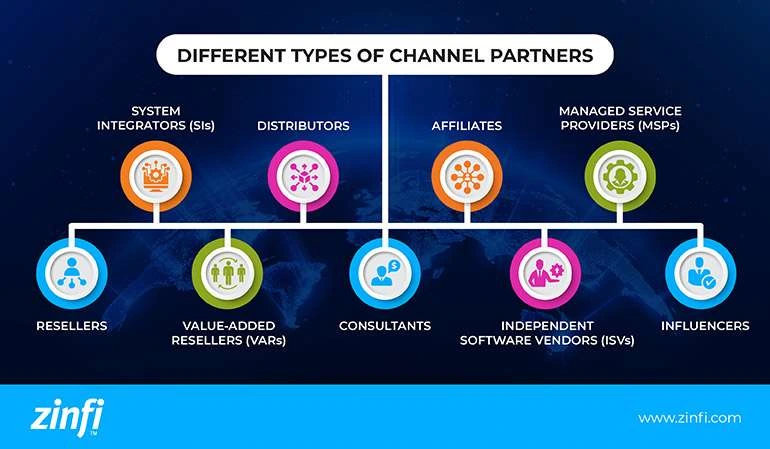
Not all channel partners play the same role. Choosing the right mix depends on business goals, product complexity, and the markets a company wants to reach.
Resellers
Resellers purchase products from a company and then sell them to end buyers. They may add value through packaging, support, or additional services. Resellers are common in technology, manufacturing, and wholesale industries.
Distributors
Distributors act as intermediaries that store, manage, and deliver products. They help businesses cover larger geographic areas and reduce logistics challenges. Distributors are valuable when companies need reliable fulfillment and inventory management.
System Integrators
System integrators combine products and services from different companies to deliver a complete solution. They are especially relevant in industries like IT, industrial automation, and telecommunications, where businesses need complex systems to function smoothly.
Service Partners
Service partners provide consulting, maintenance, or ongoing support. While they may not always sell products directly, their role is essential in ensuring customer satisfaction and long-term adoption.
Each type of partner offers unique benefits, and businesses often use a mix to cover different needs.
Why We Need B2B Channel Partnerships
Channel partnerships are not just an option; they are a necessity for many companies. Direct sales alone often cannot provide the scale or reach needed in today’s competitive markets. By working with channel partners, businesses can:
- Reach more markets. Partners often already have relationships and networks that would take years for a company to build on its own.
- Reduce costs. Instead of hiring and training large sales teams, businesses can leverage existing partners who already understand the market.
- Improve expertise. Many partners bring technical knowledge, industry specialization, or local insights that enhance value for buyers.
- Increase flexibility. Partnerships allow companies to adapt more quickly to market changes without carrying the full risk of expansion.
These advantages explain why so many B2B companies build structured channel programs as part of their growth strategy.
Building a B2B Partnership Strategy
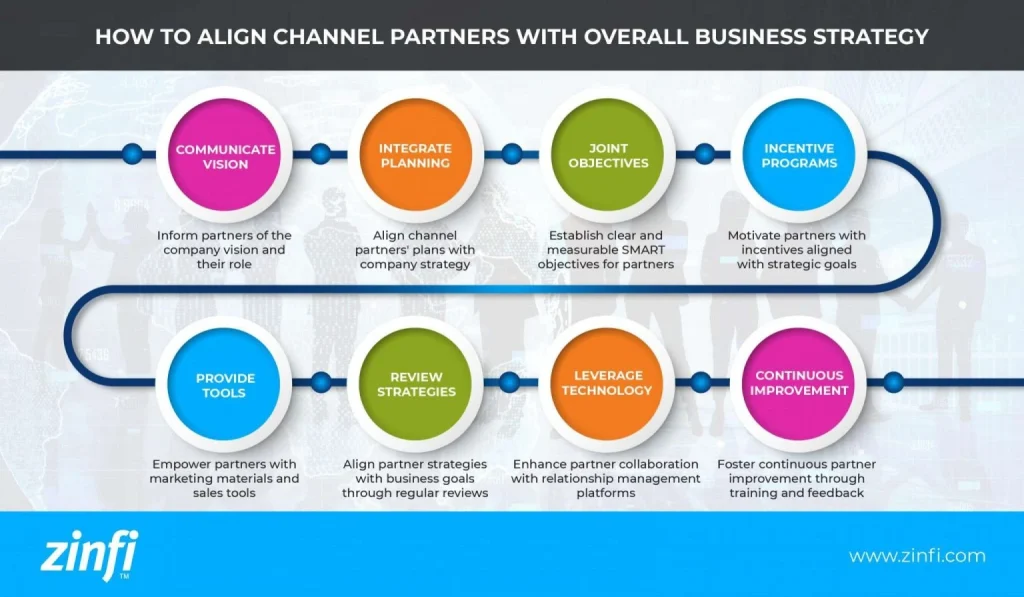
Strong partnerships do not happen by chance. They require planning, structure, and ongoing commitment. Businesses that want to succeed with channel partners should focus on several best practices.
Set Clear Goals and Agreements
Partnerships work best when expectations are defined from the beginning. Written agreements should outline roles, compensation, performance metrics, and dispute resolution. Transparency helps both sides understand their responsibilities and reduces misunderstandings.
Provide Training and Support
Partners represent your brand in the market. Without the right knowledge, they cannot communicate value effectively. Training programs, sales materials, and regular updates help partners stay aligned and perform at a high level.
Invest in Communication
Partnerships require consistent communication, which supports a stronger go to market strategy through regular check-ins, shared dashboards, and accessible points of contact that build trust and allow both sides to address challenges quickly.
Recognize and Reward Performance
Channel partners respond positively to recognition. Performance-based incentives, certifications, and public acknowledgment strengthen motivation and loyalty.
Focus on Long-Term Relationships
Short-term gains can damage long-term growth. Treat channel partnerships as ongoing collaborations where both sides share success. Building mutual trust ensures stability and resilience even during market shifts.
The Biggest Challenges in B2B Channel Partnerships
Partnerships bring opportunities but also challenges. Businesses should be prepared for issues such as:
- Channel conflict. Competition between direct sales teams and partners can create tension. Clear territory definitions and rules prevent overlap.
- Lack of engagement. Some partners may not commit enough resources. Businesses must monitor activity and provide support to keep partnerships active.
- Misalignment. When goals differ, results suffer. Regular conversations about strategy and performance help ensure alignment.
- Inconsistent quality. Without proper training and standards, partner-delivered services may fall short. Quality control measures keep experiences consistent.
By addressing these challenges directly, companies can avoid setbacks and maintain strong, reliable partnerships.
How to Measure Success in Channel Partnerships
Tracking performance ensures that partnerships deliver value. Key metrics often include:
- Revenue generated through partners
- Market share in targeted regions
- Number of new accounts or customers acquired through partners
- Partner satisfaction and engagement levels
- Retention and growth rates of accounts supported by partners
Businesses should review these metrics regularly and adjust their strategies to strengthen results.
Tips for Long-Term Growth with B2B Channel Partners
Building sustainable channel partnerships requires more than a launch program. Companies should:
- Continue investing in partner enablement with updated resources and tools.
- Create open feedback channels to learn what partners need to succeed.
- Use data to identify which partners bring the highest value and which may need additional support.
- Build communities or partner networks where partners can share knowledge and experiences.
- Stay flexible and willing to adjust structures as markets evolve.
Long-term success depends on treating partnerships as evolving relationships rather than static agreements.
Final Thoughts: Businesses Rely On Partnerships to Thrive
B2B channel partners play a central role in helping businesses scale, expand, and compete. They provide access to new markets, reduce costs, and add expertise that strengthens the overall value delivered to buyers. While partnerships require structure and commitment, the payoff is stronger growth, efficiency, and market presence as part of a better growth plan.
ISBM can help you stay ahead of the curve by connecting you with practical, research-driven insights into how B2B marketing is evolving through free B2B resources. Through professional resources and peer collaboration, we provide the knowledge base and support needed to make the right decisions—especially in constantly-changing areas like performance marketing. We provide open courses and customized education programs for your marketing teams. Become a member now!