
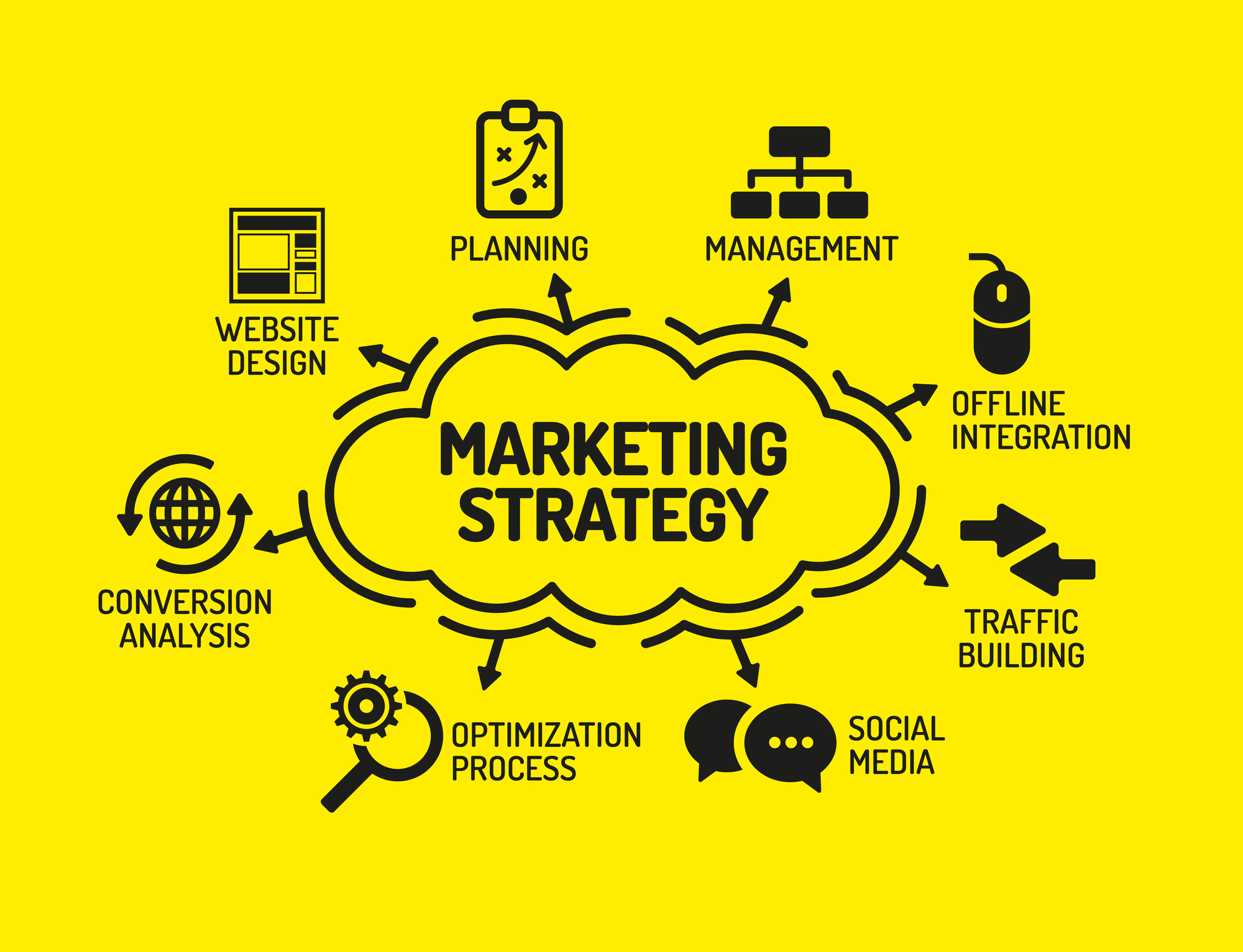
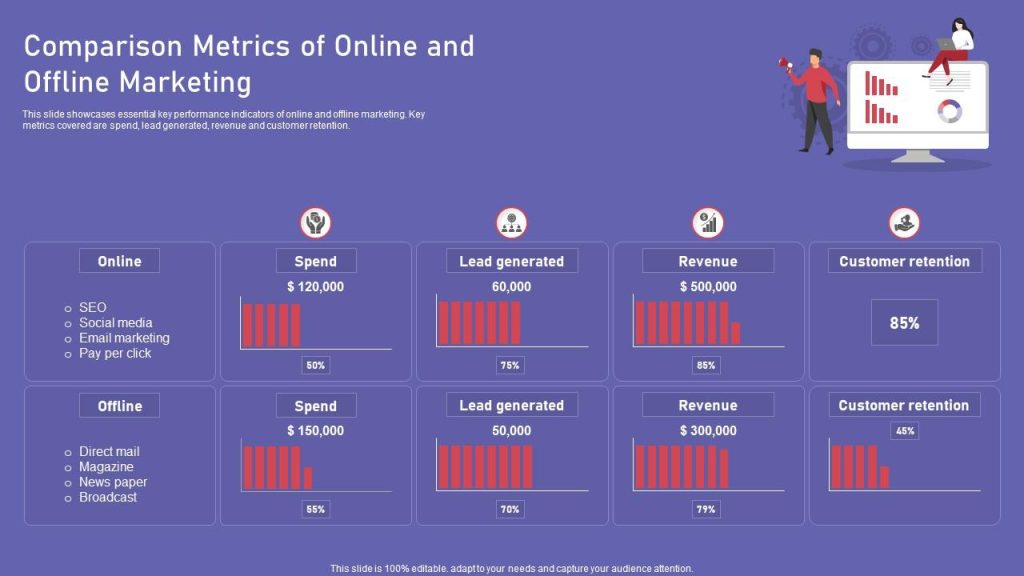
While digital marketing dominates much of today’s conversations, offline marketing strategies are still an important element in a brand’s outreach and connection with its audience. The human element (physical, real-world engagement) brings authenticity and an emotional depth that only-digital campaigns sometimes miss. Many brands are revisiting offline approaches, combining them with modern technology to breathe new life into traditional marketing tactics.
This blend of old and new presents exciting possibilities for marketers looking to engage their audiences in fresh ways. In this article, we’ll explore several innovative offline marketing strategies that are taking the spotlight, from experiential marketing to direct mail and interactive outdoor advertising.
Quick Takeaways:
- Experiential marketing offers brands an immersive way to connect with customers through interactive experiences, leaving lasting impressions.
- Direct mail is making a comeback with personalization and trackable features, offering a hybrid approach that blends physical and digital engagement.
- Interactive billboards and outdoor advertising are moving beyond static displays, capturing attention with real-time, dynamic content in high-traffic areas.
- Local business partnerships allow brands to tap into new customer bases, fostering community engagement and boosting visibility.
Experiential Marketing: Immersive Brand Experiences
Experiential marketing is a popular strategy for engaging customers on a deeper level. It involves creating live, interactive experiences that allow potential customers to connect with a brand emotionally and physically. Brands are turning to B2B pop-up events and interactive product demonstrations to make lasting impressions on other businesses who can benefit from them.
Rather than simply telling customers about a product or service, experiential marketing invites them to actively participate. Whether through a spontaneous event in a high-traffic area or a fully immersive brand experience, the goal is to create memorable interactions that go beyond the traditional ad experience.
Case Study
B2B pop-up stores are becoming a go-to for brands looking to create buzz around a new product by collaborating with brands in similar sectors. By setting up shop in unconventional locations, brands can capture the attention of other businesses who might not have otherwise engaged with their product or service.
Example: Lead generation popup with a demo signup in exchange for email and other lead qualification data.
Why It Works
Experiential marketing taps into human emotions and behaviors. The more memorable the experience, the more likely people are to talk about it, whether in person or online, creating organic word-of-mouth marketing.
Direct Mail Reinvented
Direct mail is far from obsolete. In fact, it’s experiencing a resurgence thanks to advancements in personalization, design, and tracking technology. Far more sophisticated than the traditional “junk mail,” today’s direct mail campaigns allow for hyper-targeted messaging tailored to individual recipients. By combining offline mailers with digital tracking systems, brands can monitor the effectiveness of their campaigns with greater precision than ever before.
Personalization is Important
B2B marketers now have the capability to create highly personalized direct mail campaigns tailored to specific businesses and decision-makers. Advanced variable printing techniques enable customization beyond just company names, allowing entire sections of the mailer to be adapted based on the recipient’s industry, business needs, and role within the organization.
For example, a mailer can feature a QR code directing the recipient to a personalized landing page with content relevant to their business challenges, making it easier to track engagement, gather insights, and drive conversions that matter in business to business sales.
Interactive Features
Modern direct mail campaigns are integrating interactive features to drive engagement. QR codes, augmented reality (AR) elements, and personalized URLs (PURLs) make it simple for recipients to transition from the offline world to a tailored digital experience. QR codes can be used to lead buyers directly to an online promotion, exclusive content, or a unique offer based on their past purchases.
Case Study
B2B companies have effectively used direct mail to engage decision-makers and drive attendance to industry events or meetings. For instance, a technology provider might send out a personalized mailer featuring an exclusive invitation to a product demonstration or networking event, specialized based on the recipient’s industry and past interactions.
Why It Works
Direct mail gives customers something tangible to hold and consider, offering a physical touchpoint that digital ads cannot. By personalizing the message and combining it with trackable data, marketers can maximize their reach and engagement in a way that blends traditional and modern tactics.
Account-Based Marketing (ABM) Campaigns
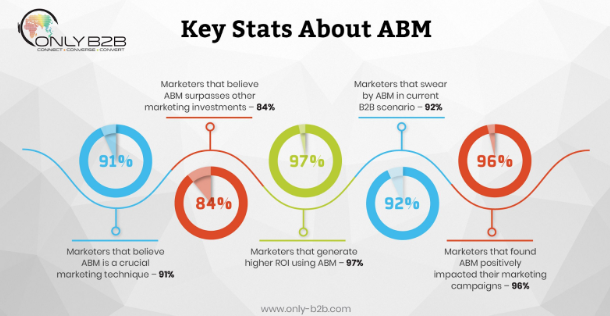
Account-Based Marketing (ABM) focuses on high-value accounts through highly personalized campaigns. For B2B brands, ABM aligns closely with sales objectives by tailoring efforts to specific clients, using both offline interactions and digital follow-ups. One approach includes exclusive in-person gatherings, such as small industry roundtables or networking sessions, that bring key stakeholders together.
These interactions go beyond traditional digital outreach, allowing brands to connect personally with decision-makers and build lasting professional relationships. Post-event, digital touchpoints like personalized emails, targeted ads, or follow-up webinars keep the brand visible and drive continued engagement.
Multi-Channel Strategy
Successful ABM campaigns combine online and offline elements for a cohesive, multi-channel experience. Brands might start with physical mailers or exclusive packages delivered to decision-makers, followed by digital interactions designed to sustain interest.
Digital ads can retarget attendees or key accounts, reinforcing messages shared at in-person events or through direct outreach. For instance, a consulting firm might send a custom white paper to a C-suite audience, followed by a personalized invitation to a private webinar focused on industry challenges. This blend of digital and physical channels keeps accounts engaged while reinforcing brand credibility.
Case Study
A software company used an ABM campaign to reach executives at top logistics firms, aiming to promote a new supply chain management platform. The campaign began with a branded direct mail package containing an exclusive industry report, followed by an invitation to a VIP webinar. During the webinar, speakers from the logistics sector provided insights and demoed the software’s features.
After the event, the company sent personalized follow-up emails and targeted ads to attendees, highlighting how the platform addressed specific pain points mentioned during the session. This strategy generated a strong pipeline of leads from the target accounts, leading to several high-value partnerships.
Why It Works
ABM’s blend of digital and physical interactions strengthens B2B relationships by making clients feel recognized and prioritized. Customized events, custom mailers, and data-backed follow-ups stand out to decision-makers, who often feel oversaturated by digital-only outreach.
By combining offline and digital touchpoints, ABM campaigns create a memorable, multi-dimensional experience that resonates longer than traditional approaches, helping brands build trusted relationships that can ultimately convert into sales.
Exclusive B2B Networking
Exclusive B2B networking events offer a strategic approach for building personal connections with influential decision-makers. These events create a focused environment where brands can interact directly with key clients and industry leaders, offering opportunities to share insights, build trust, and discuss potential collaborations.
Private networking dinners, invitation-only conferences, and executive roundtables allow brands to engage clients on a deeper level, often leading to more productive and meaningful business relationships. Attendees feel valued when invited to these exclusive gatherings, which sets the stage for lasting professional connections.
Modern Sponsorships and Event Collaborations
Brands are transforming sponsorships and event collaborations by embedding interactive digital features to boost engagement. QR codes, for example, direct attendees to exclusive online content or event-related giveaways, bridging in-person experiences with digital follow-ups.
Hybrid events are on the rise, where in-person gatherings also offer an online component to engage remote participants. A SaaS provider might partner with an industry conference to co-host a hybrid event, giving both in-person and online attendees access to special product demonstrations and insights. This blended approach expands reach and offers unique value to attendees.
Joint Loyalty Programs
Joint loyalty programs provide an innovative way for B2B companies to enhance client retention while cross-promoting complementary services. A software company, for instance, might collaborate with a cybersecurity firm to create a bundled package where clients gain discounts on both services.
These joint loyalty initiatives reward clients while introducing them to partner brands. By aligning incentives across related services, brands not only create added value for customers but also drive repeat business across both companies.
Why It Works
Strategic partnerships in B2B amplify brand visibility, allowing each company to tap into complementary markets with a compelling and cohesive message. By combining resources and aligning goals, brands can drive mutual growth, engage clients in new ways, and offer added value that stands out in today’s market.
Offline Marketing is Here to Stay
Offline marketing strategies continue to evolve, driven by technological innovations and creative partnerships. These approaches provide brands with more dynamic ways to engage consumers, combining the tangible power of physical experiences with the convenience and immediacy of digital tools. By embracing these trends, brands can create more memorable, engaging, and measurable marketing efforts that complement their digital campaigns.
Ready to explore how these offline strategies can boost your marketing efforts? ISBM can give you the valuable insights, research, and guidance you need to be successful. View our membership benefits today to get started!