

Staying competitive requires more than just a good strategy as a B2B marketer. Businesses are now tasked with navigating a complex market filled with technological advancements, changing customer expectations, and increasing competition. In this article, we’ll discuss the major challenges facing B2B marketers today and learn strategies to overcome them.
Quick Takeaways
Staying updated on emerging technologies is crucial for maintaining a competitive edge in B2B marketing.
Lead generation continues to be a significant challenge, with an emphasis on producing high-quality, conversion-ready leads.
Personalization and the customer experience are now central to B2B marketing success, but achieving this is complex.
Aligning marketing and sales teams and measuring ROI are essential for optimizing strategies and improving outcomes.
Mastering content creation, SEO, and social media marketing can lead to better engagement and business growth.
Challenge 1: Adapting to Rapid Technological Changes
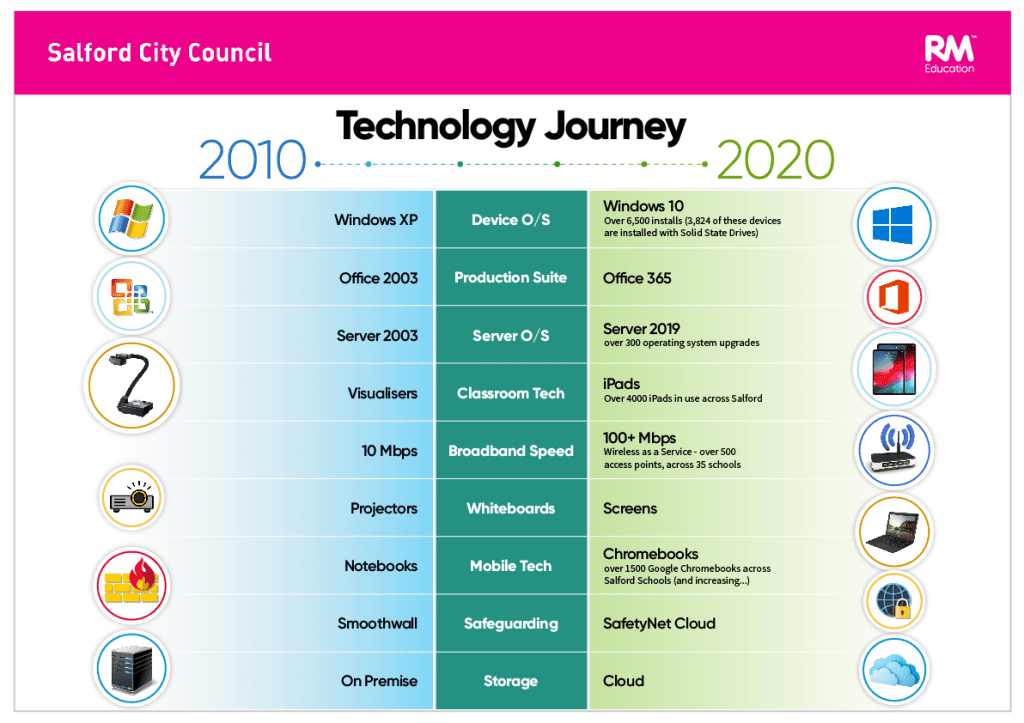
One of the biggest challenges in B2B marketing today is keeping up with technological advancements. With marketing automation, data analytics, and artificial intelligence (AI) reshaping the landscape, marketers must continuously adopt new tools and systems to stay relevant.
Why It’s a Challenge:
Overwhelming options: The sheer number of marketing technologies available can overwhelm even the most experienced marketers. Choosing the right platforms to enhance your strategy while avoiding unnecessary complexity is tricky.
Skills gap: Not all marketers are equipped with the skills to implement and optimize new technologies, which can slow down adoption and limit effectiveness.
Data security concerns: With growing privacy regulations like GDPR (General Data Protection Regulation – the strongest security and privacy law in the world) and CCPA (California Consumer Privacy Act – law giving CA residents control over their personal info) managing data safely while leveraging it for marketing purposes adds complexity to the tech adoption process.
Solutions:
Stay on top of emerging technologies through continuous learning and training.
Partner with IT or data management teams to ensure data privacy compliance.
Implement technologies that align with your business goals and integrate them with your existing tools.
Challenge 2: Generating High-Quality Leads
Lead generation is the backbone of B2B marketing, yet many marketers struggle with attracting the right leads – those ready to convert. In our competitive market, generating leads that turn into loyal customers is more challenging than ever.
Why It’s a Challenge:
Increased competition: As more businesses enter the market, standing out and capturing attention becomes increasingly difficult.
Lead quality vs. quantity: It’s tempting to focus on the volume of leads, but a high number of leads doesn’t always translate to sales. Low-quality leads waste resources and time.
Complex buyer journey: The B2B buyer’s journey is often long and involves multiple decision-makers, making it harder to identify and nurture leads effectively.
Solutions:
Use lead scoring techniques to focus on high-quality prospects who are most likely to convert.
Invest in targeted content marketing, focusing on educational and value-driven content that resonates with your audience.
Incorporate advanced analytics to track lead behavior and engagement, allowing you to refine your targeting strategies.
Challenge 3: Personalization and Customer Experience
B2B buyers now expect personalized interactions similar to those they experience in the B2C world. Offering a personable and easy experience throughout the buyer’s journey is essential, but it’s easier said than done.
Why It’s a Challenge:
Data overload: While businesses have access to more data than ever before, turning that data into actionable insights for personalized experiences is challenging.
Multiple decision-makers: B2B purchases often involve several stakeholders, making it hard to cater to individual preferences and needs.
Scalability: Personalizing every interaction for a large customer base is difficult, especially with limited resources.
Solutions:
Use marketing automation tools that allow for personalized content and email campaigns.
Leverage CRM systems to track customer interactions and preferences, providing personalized communication based on real-time data.
Segment your audience based on behavior, industry, or role, allowing for more targeted, personalized messaging.
Challenge 4: Aligning Marketing and Sales Teams
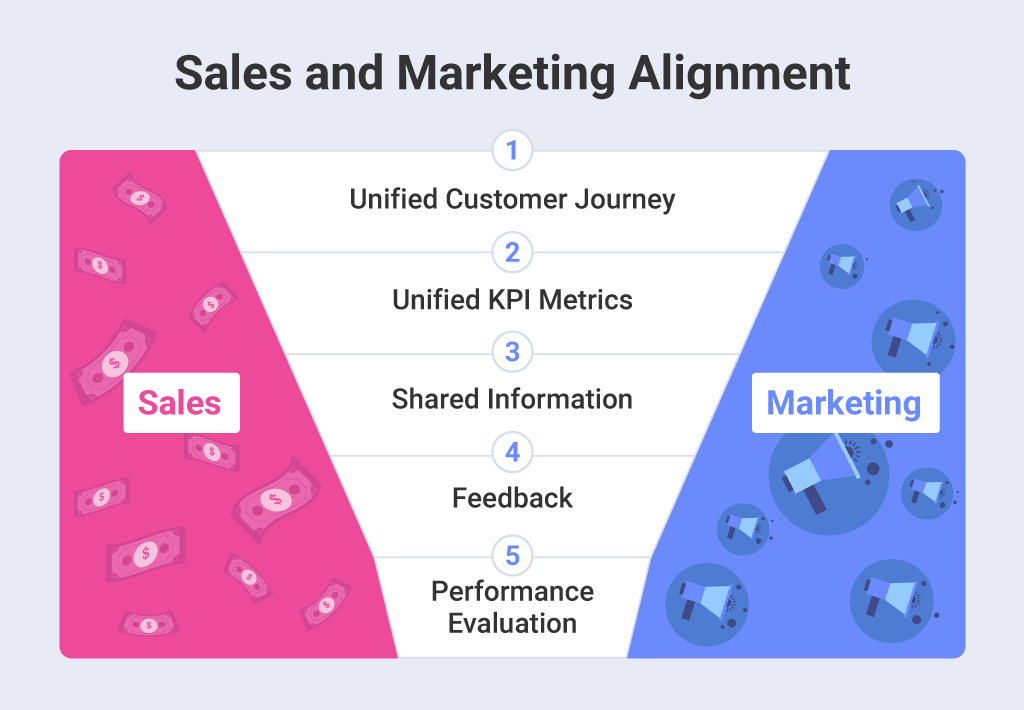
In many organizations, the gap between marketing and sales can be detrimental to overall success. Misalignment between these two departments can lead to poor lead management, low conversion rates, and wasted resources.
Why It’s a Challenge:
Conflicting goals: Marketing teams are often focused on generating leads, while sales teams aim to close deals. These different priorities can create tension and inefficiency.
Lack of communication: Without consistent communication, it becomes difficult for both teams to understand the quality of leads or the customer’s position in the sales funnel.
Measurement gaps: Marketing often focuses on top-of-the-funnel metrics (e.g., lead volume), while sales prioritize bottom-of-the-funnel results (e.g., revenue).
Solutions:
Encourage regular meetings and open communication between sales and marketing teams to align goals and strategies.
Implement shared metrics, such as lead quality and conversion rates, that both teams can work toward.
Use CRM and marketing automation tools to provide both teams with a unified view of lead data.
Challenge 5: Measuring Return on Investment (ROI)
Proving the ROI of marketing activities is an ongoing challenge for B2B marketers. With long sales cycles, multiple touchpoints, and a variety of channels involved in customer interactions, tracking the exact return on marketing efforts can be complex.
Why It’s a Challenge:
- Attribution difficulties: In B2B, it’s often hard to attribute conversions to specific marketing activities, as the buyer’s journey can span weeks or months.
- Long sales cycles: The extended nature of B2B sales means that marketers may not see the results of their efforts until much later, making it hard to evaluate effectiveness in real-time.
- Multiple touchpoints: B2B marketing involves several touchpoints, such as emails, social media, sales calls and product evaluations. Determining which touchpoint was most impactful adds complexity to ROI measurement.
Solutions:
- Use multi-touch attribution models to understand how various marketing efforts contribute to a sale.
- Implement advanced analytics tools to track metrics across different stages of the sales funnel.
- Regularly review key performance indicators (KPIs) and adjust marketing strategies based on performance data.
Overcoming B2B Marketing Challenges with ISBM
Sorting through the challenges of B2B marketing requires a forward-thinking approach, the right tools, and effective collaboration between teams. To tackle these challenges head-on, connect with experts who can guide you through specialized marketing strategies.
Need support for your business? ISBM can help you find marketing solutions and give valuable insights on how to improve. Visit ISBM today to see our membership benefits and get on track to achieving your goals.