

Engineering firms thrive on innovation and problem-solving. However, standing out involves a lot more than just technical expertise. Thought leadership marketing builds authority, strengthens relationships with buyers, and drives business growth as part of an effective engineering marketing strategy. Companies that share knowledge instead of just selling products attract attention and build trust.
Quick Takeaways
- Sharing expertise builds credibility. Buyers respect companies that educate rather than push sales.
- Content must address real problems. Generic insights do not hold attention in technical fields.
- Consistency matters. Thought leadership requires regular content, not occasional opinion pieces as part of a strong content marketing strategy.
- Trust drives business growth. Companies known for expertise gain long-term buyers.
Why Thought Leadership Works in Engineering
Engineers rely on facts, research, and proven results. Marketing efforts that focus on flashy claims fail to resonate in technical marketing B2B environments. Buyers need clear explanations, case studies, and technical insights. Companies that provide well-supported answers become go-to resources by applying a strong industry expertise strategy, strengthening expert positioning marketing.
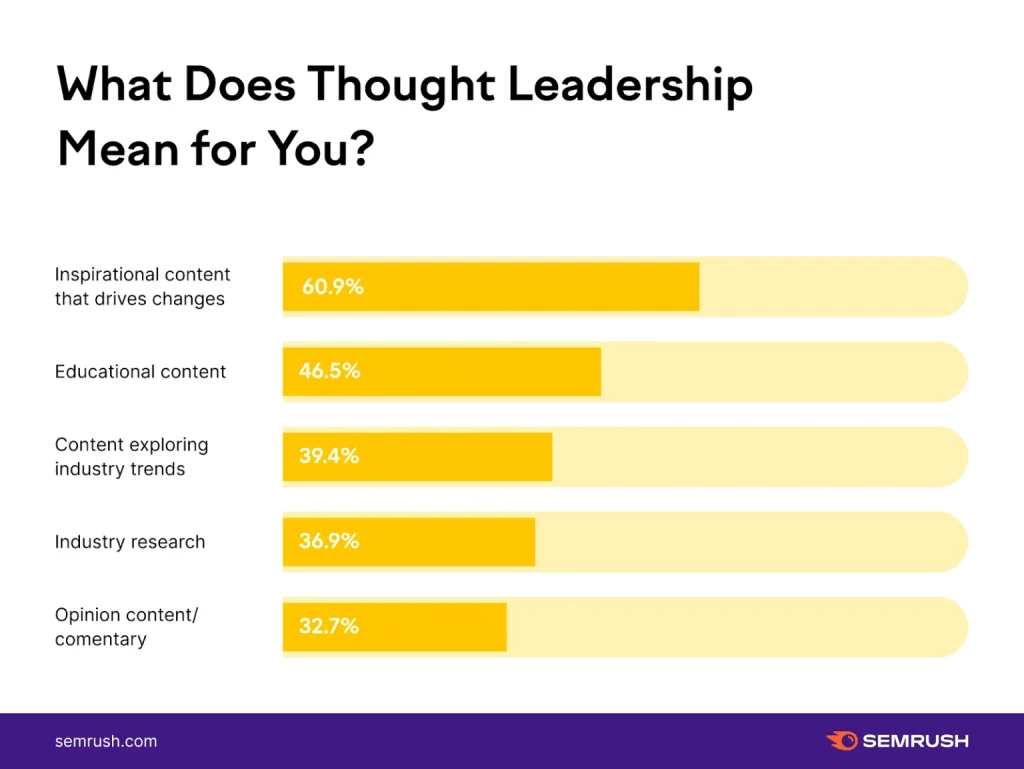
Industry leaders in industrial thought leadership do not gain authority overnight.. Trust builds over time as companies consistently provide useful information. Articles, white papers, and technical guides help buyers solve problems. Educational content builds confidence, leading to long-term business relationships.
Establishing Authority Through Content
Engineers respect knowledge. A well-researched article carries more weight than a promotional post. Thought leadership requires content that challenges conventional thinking and provides data-backed insights.
- White papers break down technical concepts for decision-makers.
- Blog posts address industry challenges with clear solutions as part of technical content marketing.
- Webinars and presentations showcase expertise in real time.
The right format depends on the audience and the complexity of the topic.
Choosing the Right Channels
Content means little if the right audience never sees it. Publishing in respected industry journals boosts credibility. Speaking at conferences establishes expertise. Sharing technical insights on LinkedIn reaches engineers actively looking for solutions.
Each platform serves a purpose:
- Research papers and reports attract engineers seeking in-depth analysis.
- Social media posts spark discussions and introduce concepts.
- Email newsletters keep buyers informed about industry trends.
Visibility requires more than one approach. A mix of written content, video presentations, and live discussions expands reach. A single article might not gain traction, but an ongoing presence builds recognition over time.
Webinars and Conferences
Webinars and panel discussions allow direct engagement with buyers. Engineers and decision-makers appreciate opportunities to ask questions and discuss industry challenges. Live discussions foster deeper connections than static content alone.
Using LinkedIn for Thought Leadership
LinkedIn serves as a powerful platform for engineering thought leadership. Companies can:
Share original insights and technical breakthroughs.
Engage in discussions on industry trends.
Publish in-depth articles and white papers.
Participate in LinkedIn groups related to engineering topics.
An active presence on LinkedIn builds credibility and opens doors for networking opportunities.
The Power of Case Studies
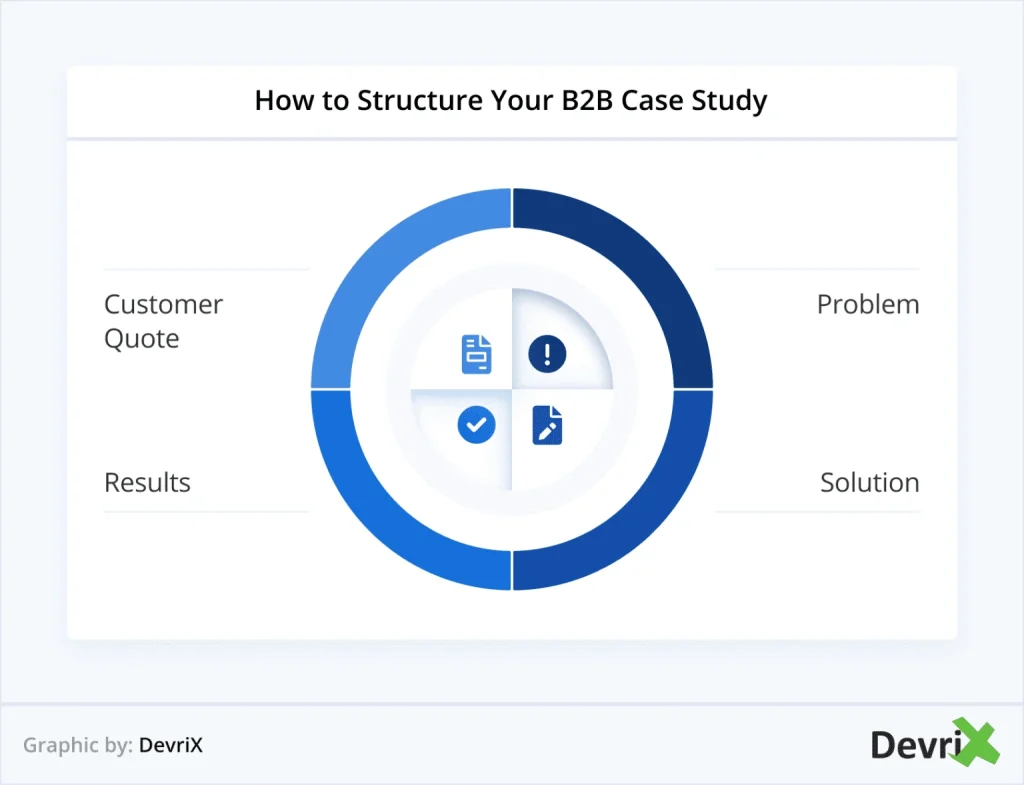
Case studies show results. Buyers want proof before making decisions. Analyzing past projects, explaining challenges, and outlining solutions makes a company more credible. Businesses that document successes attract attention from those facing similar problems.
Guest Contributions and Industry Recognition
Guest contributions to industry publications further credibility. When a company’s insights are published by respected sources, it adds another layer of trust. Buyers are more likely to engage with firms whose knowledge is recognized beyond their own platform.
Avoiding Thought Leadership Mistakes
Some companies misunderstand thought leadership. Content filled with marketing language or promotional claims fails to engage technical audiences. Engineers recognize sales tactics disguised as insights. Thought leadership should educate, not sell.
Mistakes to Avoid
Inconsistent publishing weakens authority. A single article will not establish credibility. Regular contributions to industry discussions keep companies relevant. A content calendar helps maintain a steady presence.
Shallow content damages credibility. A surface-level blog post without technical depth does not hold interest. Engineers expect accuracy, research, and clear explanations. Companies must invest time in content that adds real value.
Failure to engage with industry discussions weakens impact. Thought leadership is not just about publishing—it requires participation. Commenting on relevant research, responding to industry trends, and joining conversations reinforces credibility.
Engaging Buyers with Technical Expertise
Thought leadership marketing connects companies with buyers by addressing real challenges. Engineers value efficiency, accuracy, and problem-solving. Content should focus on practical applications and industry advancements.
How to Deliver Value to Engineering Buyers
Answer common technical questions. A company known for solving industry problems gains recognition. Buyers looking for expertise turn to businesses that consistently share knowledge.
Collaborate with industry experts. Co-authoring articles, participating in panel discussions, and contributing to research projects strengthen a company’s position. Thought leadership thrives on shared knowledge and continuous learning.
Utilize interactive content. Q&A sessions, expert roundtables, and research-backed reports keep buyers interested. Engineers seek practical knowledge, and providing multiple ways to engage ensures content remains relevant.
Adapting Thought Leadership for Changing Markets
Industry needs evolve. Companies must stay ahead of trends to remain relevant. Thought leadership requires adaptation, not repetition. Regular updates to content keep insights current.
Staying Relevant is Important
- Monitor industry discussions to identify emerging topics. Engineers seek solutions to new challenges. Addressing these issues before competitors positions a company as a leader.
- Use real-world examples to keep content relatable. Engineers connect with case studies, hands-on applications, and tested results. Theory alone does not hold interest. Practical insights backed by experience carry weight.
- Listen to customer feedback. Thought leadership is most effective when it reflects real industry concerns. Engaging with customer questions and common challenges ensures marketing efforts remain useful and relevant.
Measuring the Success of Thought Leadership Efforts
To ensure that thought leadership strategies deliver results, companies must track their impact.
Metrics to Monitor
Engagement Metrics: Blog comments, LinkedIn discussions, and webinar attendance.
Website Traffic: Increased visits to thought leadership content.
Lead Generation: More inquiries from engineers and decision-makers.
Media Mentions: Recognition in industry publications and interviews.
Backlinks: Increased citations from reputable sources.
Regular analysis helps refine content strategies, ensuring thought leadership remains effective.
Engineering Marketing Strategy That Drives Business Growth
Engineering firms that invest in thought leadership marketing build long-term credibility through B2B expertise marketing. A strong reputation attracts buyers looking for expertise. Consistently sharing technical knowledge strengthens industry standing.
The Long-Term Benefits of Thought Leadership
Enhanced brand authority in the engineering field.
Stronger relationships with buyers and decision-makers.
Greater visibility in industry discussions and publications.
Higher conversion rates from educational content.
Success comes from a commitment to education, not promotion. Companies that focus on helping buyers solve problems see stronger engagement and business growth. Thought leadership, when done right, creates lasting impact.
Your Buyers Deserve Value
Engineering thought leadership is about providing real value. Companies that consistently share industry expertise, engage with the buying team, and adapt to new challenges build a reputation that sets them apart. Content that educates, informs, and solves problems leads to stronger customer relationships and business success.
ISBM is a nonprofit, global network of business researchers and practitioners. Ask about how an ISBM Membership can help you now or visit ISBM today to explore our professional development programs and learn more!