

B2B decision-making has become more complex, and expectations around communication have changed dramatically. Buyers no longer respond to generic outreach or broad campaigns. They expect personalized communication that matches their priorities, stage in the buying cycle, and organizational needs.
Delivering this type of precision requires much more than segmented lists or rule-based automation. It demands systems that adapt in real time. That is the role of Agenic AI personalization.
Agenic AI personalization gives organizations the ability to create dynamic, adaptable customer journeys. Instead of relying on pre-set rules, these systems respond to changing behaviors and new inputs automatically. The result is a journey that feels customized to every stakeholder.
Quick Takeaways
- Agenic AI personalization allows real-time adaptation to each stage of the buying journey.
- It helps B2B teams align with account-based strategies by tailoring messages to specific decision-makers.
- Data integration across systems is the foundation for effective personalization.
- Personalized journeys built with Agenic AI reduce wasted effort and improve efficiency.
- Strong governance ensures the technology stays aligned with organizational goals.
Why B2B Customer Journeys Need Personalization at Scale
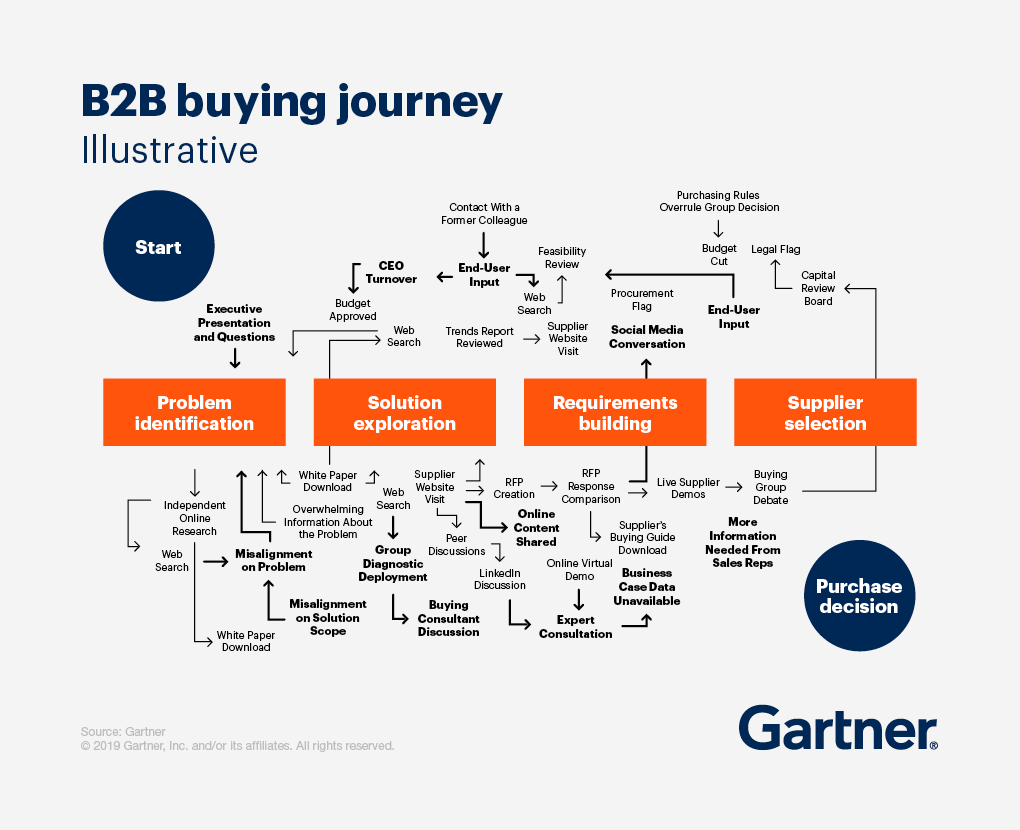
B2B purchase decisions involve multiple stakeholders across technical, financial, and executive roles. Each group evaluates value from a different perspective. Procurement may focus on cost, technical leaders on functionality, and executives on long-term growth impact.
Delivering one general message to all groups risks missing the mark with most of them.
Traditional personalization methods segment audiences by industry, company size, or previous engagement. While useful, these approaches need more depth. They don’t shift when a decision-maker’s behavior changes.
Agenic AI personalization addresses this issue. By analyzing engagement in real time, it adapts the next step in the journey. That may mean delivering deeper technical resources to one stakeholder while sending strategic insights to another, all within the same account.
This level of personalization makes journeys more relevant, speeds up decision-making, and improves satisfaction with the overall experience.
How Agenic AI Personalization Works in B2B Settings
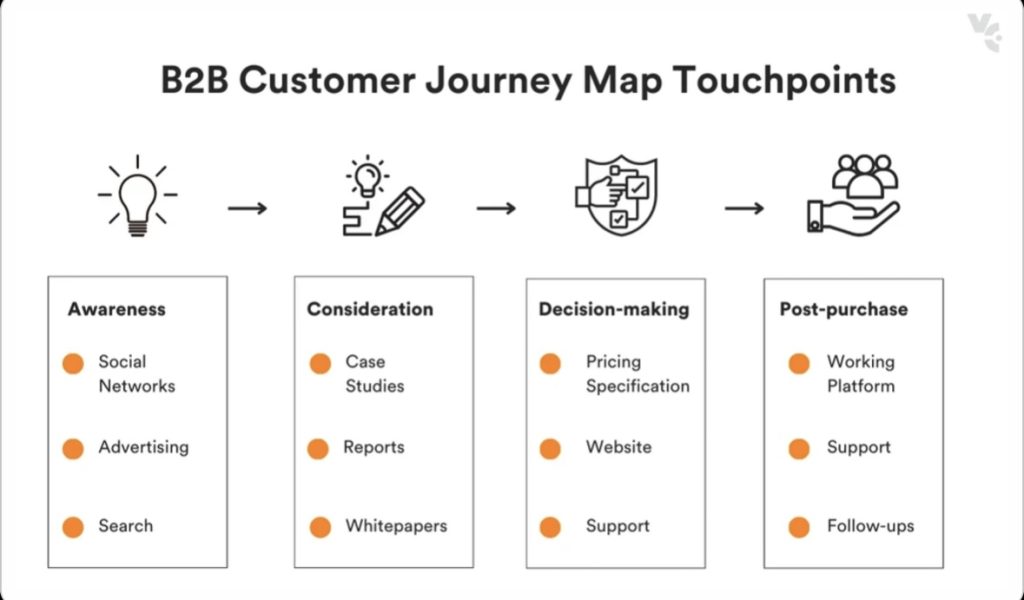
The foundation of Agenic AI personalization is being adaptable. Systems collect data from many touchpoints, analyze behaviors, and decide the most effective next action. Unlike older automation, which follows rigid workflows, these systems continuously evaluate and adjust.
Inputs include:
- Website behavior (page visits, time spent, downloads)
- Email engagement (opens, clicks, unsubscribes)
- Event participation (webinars, roundtables, conferences)
- Sales interactions logged in CRM systems
- Service or support engagement
With this data, the system decides what content or outreach is most relevant. It may prompt marketing to deliver a new resource, or it may signal sales to engage sooner. The process repeats as more actions are recorded, creating a feedback loop that refines the journey in real time.
Supporting Account-Based Marketing Through Personalization
Account-based marketing (ABM) focuses on high-value accounts and requires coordinated communication across multiple stakeholders. Agenic AI personalization strengthens ABM by ensuring that every interaction is specific to the role and behavior of each decision-maker.
For example, in an account with several stakeholders, the system can identify that a technical evaluator prefers detailed documentation while an executive sponsor responds to strategic outcome summaries. Both needs are met simultaneously without duplicating effort.
This alignment reduces friction within buying groups. When all stakeholders feel that their concerns are being addressed, the organization can move toward consensus faster. For B2B teams, this means shorter sales cycles and stronger engagement with top accounts.
Data Integration (The Foundation of Accuracy)
Effective personalization depends on data. Without a complete view of accounts, personalization efforts risk being inaccurate or incomplete. Agenic AI personalization requires data integration across all systems that track engagement.
This often includes:
- CRM platforms for sales data
- Marketing automation for campaign activity
- Web analytics for behavioral signals
- Event platforms for attendance and participation
- Support records for post-sale interaction
When these sources are connected, the system can interpret both individual and group-level patterns. For example, if multiple stakeholders in the same account start engaging with solution briefs, the system can escalate outreach because the account may be preparing for a decision.
The more complete the data, the more reliable the personalization.
Efficiency and Smarter Resource Allocation
B2B marketing teams often spend resources on accounts with low engagement while missing signals from accounts that are ready to move forward. Agenic AI personalization reduces this inefficiency.
By analyzing engagement in real time, the system can:
- Highlight accounts showing high intent signals
- Recommend shifting resources away from inactive accounts
- Prioritize outreach based on likelihood of conversion
This allows marketing and sales to focus where it matters most. Effort is directed toward accounts that are engaged and demonstrating buying behavior, while less responsive accounts are deprioritized. The result is better use of time and improved results.
Addressing Problems and Governance Needs
While the benefits are clear, Agenic AI personalization requires strong governance. Teams must define clear rules about how the system operates, how decisions are made, and how to monitor results.
Common challenges include:
- Ensuring data accuracy across integrated systems
- Avoiding over-personalization that can feel intrusive
- Maintaining transparency so teams understand why actions are recommended
- Aligning system outputs with broader business goals
Addressing these challenges requires collaboration across marketing, sales, and operations teams. Establishing governance early ensures that personalization efforts remain effective and aligned with strategy.
Business Impact of Agenic AI Personalization
When implemented effectively, Agenic AI personalization delivers measurable results. Organizations adopting this approach often see:
- Higher engagement rates across target accounts
- Reduced time from initial contact to opportunity creation
- Faster consensus within buying groups
- Increased retention and renewal rates
- Stronger alignment between marketing and sales teams
These results directly affect revenue growth and long-term business performance. By creating journeys that reflect actual needs, organizations can strengthen relationships and improve results.
Practical Steps to Start With
For organizations considering Agenic AI personalization, large-scale transformation is not necessary at the start. A phased approach allows teams to build confidence and refine processes.
Steps include:
- Conducting a data audit to identify gaps in visibility
- Defining objectives such as reducing sales cycle time or improving account engagement
- Running controlled tests on specific segments before scaling
- Training teams to understand how recommendations are generated
- Reviewing results regularly to refine strategy
These steps provide a clear path toward adoption while minimizing risk.
Measuring Your Success
To validate the effectiveness of Agenic AI personalization, organizations need to track both technical and business metrics.
Important measures include:
- Engagement rates by account and role
- Movement through buying stages
- Sales cycle length and conversion rates
- Renewal and expansion within existing accounts
- Revenue contribution from personalized efforts
Regular review of these metrics ensures personalization continues to deliver measurable value. It also helps identify areas where the system should be refined.
Preparing for the Future
The expectations of B2B buyers will continue to evolve. Static campaigns will not keep up with the pace of change. Decision-makers want information that speaks to their needs in the moment, across every channel they interact with.
Agenic AI personalization makes this possible by creating adaptive journeys that respond in real time. For organizations that embrace this approach, the benefit goes beyond improved engagement—it creates stronger alignment with accounts and positions teams for long-term growth.
Building Adaptive Journeys with ISBM
B2B markets need you to be more accurate and adaptable. Agenic AI personalization is a way to deliver both, allowing organizations to create journeys that reflect real needs and behaviors. The result is higher engagement, more efficient resource use, and stronger results across the buying cycle.
ISBM can help you stay ahead of the curve by connecting you with practical, research-driven insights into how B2B marketing is evolving. Through professional resources and peer collaboration, we provide the knowledge base and support needed to make the right decisions—especially in constantly-changing areas like performance marketing. We provide open courses and customized education programs for your marketing teams. Become a member now!