

Search engines have changed a lot over the years, but nothing has shaken up SEO quite like AI. The old tricks don’t work anymore. Keyword stuffing? Useless. Thin content? Won’t rank. In 2025, search engines demand content that follows modern SEO content guidelines 2025 and is useful, engaging, and undeniably human. If you’re still writing for algorithms instead of people, it’s time for a wake-up call.
Google’s latest updates make one thing clear: updated content guidelines mean AI-generated fluff won’t cut it.Companies need real, original content that answers user questions better than anything else online. So, how do you adapt?
Quick Takeaways:
- AI-Generated content needs a human touch. AI can help, but pure automation won’t rank.
- E-E-A-T matters more than ever. Experience, Expertise, Authoritativeness, and Trustworthiness drive rankings.
- Search intent is still relevant. Content must match what users actually want.
- Long-form, high-quality content wins. In-depth, well-structured articles outperform thin, shallow pieces.
- User engagement signals are important. Bounce rate, time on page, and interaction shape rankings.
The Role of AI in Content Creation
AI writing tools are everywhere. They generate blog posts, meta descriptions, and even full-fledged articles in seconds. But AI-generated content alone isn’t enough. Search engines prioritize originality. If a page sounds robotic, it won’t engage readers—or rank well. Businesses need to combine AI efficiency with human creativity.
AI can help with structure, research, and content optimization, but human oversight is essential, especially when following AI SEO optimization trends.
The best-performing content in 2025 won’t just be AI-generated—it will be AI-assisted. That means blending automation with personality, expertise, and authenticity.
Search engines favor content that feels human, even if AI lends a hand in the process.
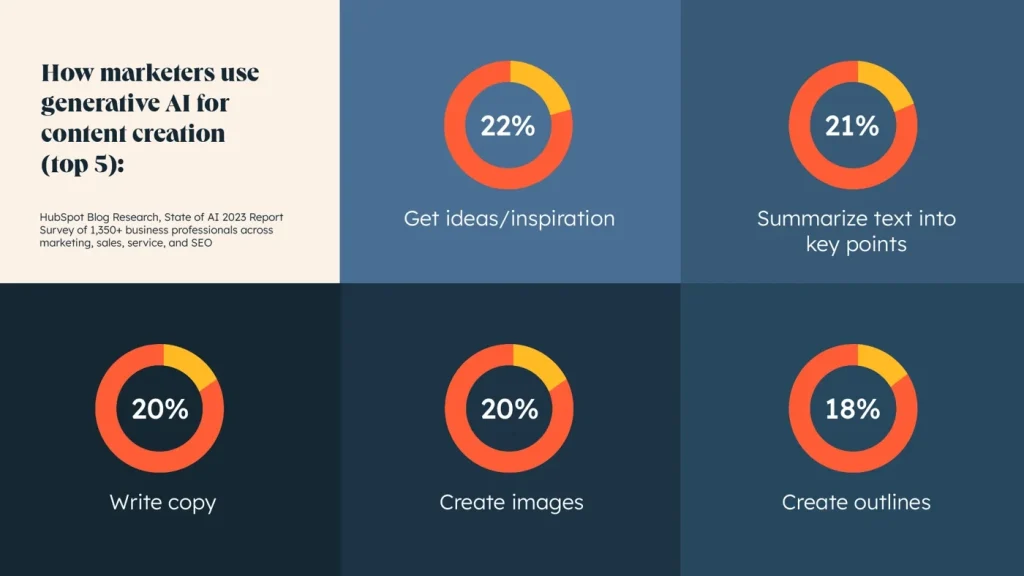
AI is Dominating Search in 2025
That said, AI isn’t just assisting search engines—it’s redefining them. Google’s Search Generative Experience (SGE) pulls answers directly from AI models, reducing the number of clicks to external sites. That means getting ranked—and supporting answer engine optimization—is harder than ever. If your content doesn’t add real value, it won’t appear at all.
B2B companies relying on outdated SEO tactics are already losing ground. Search engines favor brands that demonstrate expertise and provide useful insights. The era of churning out generic articles to rank for every keyword is over. Smart businesses are shifting their focus to content that truly serves their audience.
Why AI-Generated Content Alone Will Never Cut It
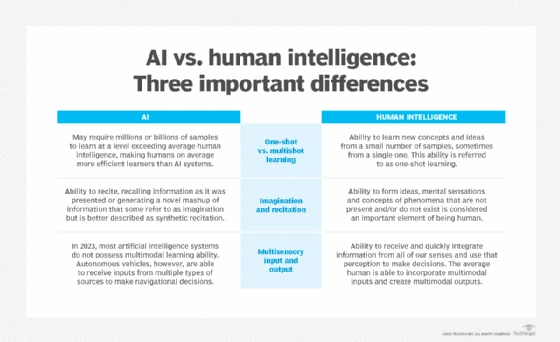
AI writing tools have made it easier than ever to generate articles, but search engines can spot pure AI content. If a piece lacks depth, originality, or human insight, it won’t rank. Google’s updates focus on rewarding content that displays real-world experience.
Think about it—if AI pulls information from existing content, how can it provide unique insights? Without a human expert refining and improving it, AI-generated text ends up as a remix of what’s already online. That’s why AI should assist, not replace, human-driven content.
To rank well in 2025, businesses must create original, expert-backed content that AI alone can’t replicate.
AI and the Shift to Intent-Based Search
Search engines no longer just match keywords—they analyze intent. Google’s algorithms evaluate what users really want when they type a query. That means stuffing pages with keywords won’t work anymore.
Instead, content needs to align with what users are actually searching for. Answer their questions. Solve their problems. Address pain points. AI-driven search rewards content that directly satisfies user intent. If a page doesn’t deliver real value, it won’t rank. Marketers need to rethink keyword strategy. Instead of focusing on rankings alone, focus on relevance.
That’s the future of SEO in the age of AI.
Why Search Intent is the Deciding Factor
Keywords are certainly still important, but intent is what really drives rankings. Google prioritizes pages that match user expectations. If someone searches “best CRM software for enterprises,” they’re not looking for a general blog on CRM—they want comparisons, data, and recommendations.
Misaligning content with intent kills rankings. If your article is just stuffing keywords without providing real answers, expect it to get buried. Businesses need to analyze search queries and create content that directly responds to them.
E-E-A-T: The Ranking Factor You Can’t Ignore
Google’s emphasis on Experience, Expertise, Authoritativeness, and Trustworthiness (E-E-A-T) is stronger than ever. Businesses with verifiable expertise outperform those lacking credibility.
A blog written by a marketing intern won’t rank as well as one written by an industry leader with years of hands-on experience. Brands that publish content from real experts, include case studies, and reference authoritative sources are ahead of the game.
To strengthen E-E-A-T:
- Include author bios with credentials.
- Cite reputable sources.
- Feature case studies and real-world examples.
- Get mentions from respected industry sites.
Long-Form Content is Powerful
Short blog posts no longer dominate search results. Longer, well-researched articles rank higher because they provide depth and fully answer user questions. Google prioritizes content that keeps users engaged and reduces the need for further searches.
A 300-word article on “B2B lead generation” won’t outrank a detailed, 2,000-word guide that covers strategies, case studies, and actionable steps. Businesses that invest in long-form, high-quality content see better rankings and higher engagement rates.
User Engagement Signals Matter More Than Ever
Google’s AI analyzes how users interact with pages. High bounce rates and low time-on-page signal weak content. Engaging, useful articles keep users reading longer, improving rankings.
To boost engagement:
- Use clear, concise writing.
- Break up text with headers and bullet points.
- Include visuals and interactive elements.
- Make content actionable with real takeaways.
AI Can Help, But Humans Must Lead
AI can speed up research and writing, but human oversight is non-negotiable. AI-written articles lack personal insights, unique experiences, and original analysis. Businesses that publish raw AI content risk penalties and poor rankings.
Instead of replacing writers, AI should be a tool. It can help draft ideas, analyze trends, and optimize structure. But final content should always be refined by experts.
SEO Content Guidelines 2025: Future-Proofing Your Strategy
SEO in 2025 isn’t about chasing algorithms—it’s about creating content people want. Businesses that prioritize expertise, engagement, and search intent will outperform those relying on outdated tactics.
To stay ahead:
- Focus on expert-driven, well-researched content.
- Align every piece with search intent.
- Optimize for engagement, not just clicks.
- Keep AI as an assistant, not the main writer.
Search engines are smarter than ever. Businesses that adapt will dominate. Those that resist will fade into obscurity.
SEO is More Than Just Google
Google dominates search, but it’s not the only platform that matters. B2B buyers use LinkedIn. Consumers search on TikTok. E-commerce thrives on Amazon. AI-driven search improvements extend beyond Google, shaping how content appears on mijultiple platforms.
need to optimize for various search engines, social networks, and even AI assistants like ChatGPT or Siri. A successful strategy doesn’t just focus on traditional SEO. It considers how people search across different platforms. Businesses that adapt to multiple search environments will gain a competitive edge.
Ignoring non-Google search channels in 2025 means missing out on major traffic opportunities.
The Future of SEO (2025 & Beyond)
AI-driven search isn’t going anywhere, as shown in the state of SEO 2025. If anything, it’s getting smarter. Businesses that stick to outdated tactics will struggle, while those that embrace high-quality, user-first content will thrive.
Success comes down to following SEO content guidelines 2025 and creating content people actually want to read. That’s what search engines reward, and that’s what keeps businesses ahead in 2025 and beyond.
ISBM is a nonprofit, global network of business researchers and practitioners. Ask about how an ISBM Membership and B2B marketing resources can help you now or visit ISBM today to learn more!