

You’re hearing it everywhere: AI is reshaping marketing. But knowing it’s happening and being ready for it are two different things. If you’re serious about AI readiness in marketing, you’re already ahead of many teams still stuck in debate mode.
Good news: you don’t need a robotics lab or a massive IT overhaul to get started. You just need the right mindset, the right questions, and a willingness to rethink old habits.
Quick Takeaways:
- AI won’t replace your team. The teams using AI will outpace the ones who don’t.
- Fixing your data comes first. Without it, AI can’t help you.
- Training your people matters more than picking trendy software.
- Buy based on what your buyers need, not what the tech world hypes.
- Preparing for AI marketing is an ongoing process, not a single event.
AI Readiness in Marketing: Clean Data First
AI doesn’t fix messy data. It makes messy data even more obvious.
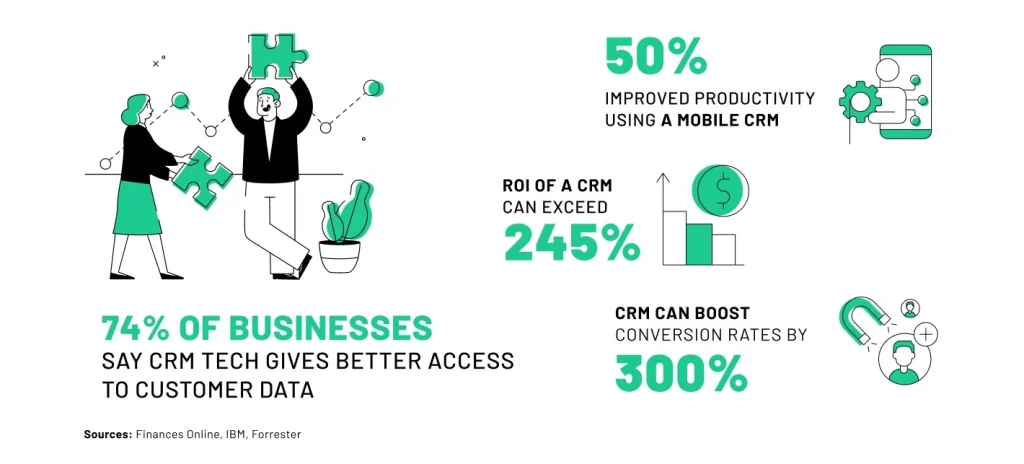
If you don’t have a CRM or your current service has duplicate records, outdated contacts, or mystery fields nobody understands, you’re not ready. AI needs structure, consistency, and clean input. Without it, even the smartest tools end up doing dumb things.
Cleaning your data isn’t glamorous work, but it’s where AI success starts. Focus on active contacts. Build clear buyer profiles. Update buying behaviors regularly. Think of AI like a sous chef: great tools, but they can’t chop rotten vegetables into a five-star meal.
Train People Before You Hand Them AI
One mistake companies make when preparing for AI marketing is treating software like a magic wand. They think if they just buy the right platform, everything else will fall into place.
It doesn’t work like that.
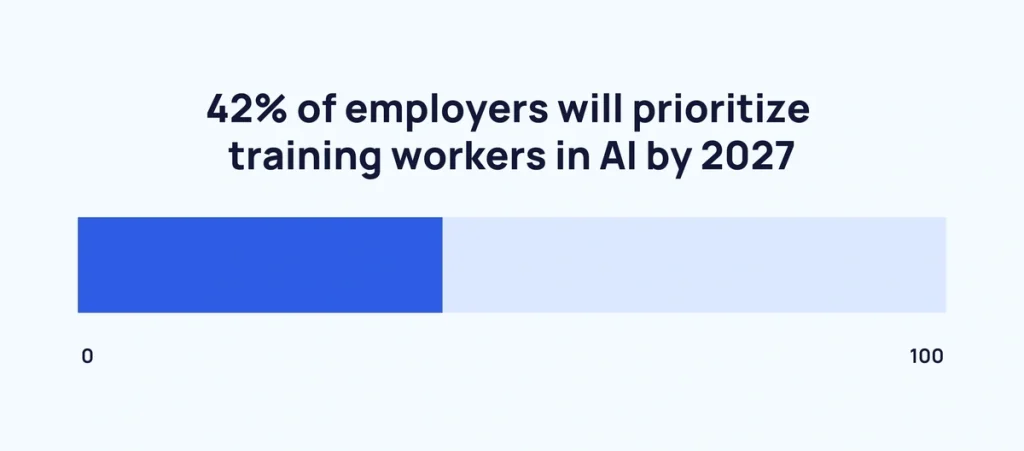
Your marketing team needs to feel comfortable working alongside AI with strong AI skills for teams, not competing against it. Your content strategists should see AI as their first draft buddy, not their replacement. Your campaign managers should view AI as a fast analyst, not a bossy overlord.
Buying software before preparing your people is like handing someone a Formula 1 car without any driving lessons. You’re asking for a crash.
Don’t Buy Tech for the Cool Factor
Every month, a new AI tool promises to revolutionize marketing. You’ll hear about virtual sales reps, AI-voiced webinars, predictive analytics that supposedly know your buyer better than you do. It’s tempting to think you need all of it.
You don’t.
Your buyers are the only real litmus test. If your buyers need technical documentation, don’t waste money on AI video scripts. If they need real-time inventory tracking, don’t get dazzled by AI content generators.
Use AI where it helps buyers move faster or make smarter decisions. Ignore the buzz. Focus on friction points in your buyers’ journey and pick tech that removes those roadblocks.
More Teams Need AI
Preparing for AI marketing doesn’t mean locking the conversation inside the marketing department. Sales, customer success, product development—they all touch the buyer experience. They all need to understand how AI fits into the process.
If marketing rolls out AI-generated sales enablement documents but sales teams don’t know they exist, you’ll lose momentum fast. If customer support doesn’t understand new AI chat routing, buyers will feel the confusion.
AI literacy across departments isn’t about making everyone an expert. It’s about building shared language so buyers get a seamless experience no matter where they interact.
Aim for Progress, Not Perfection
Here’s a hard truth: AI outputs won’t always be perfect.
Sometimes the product descriptions AI writes will sound a little robotic. Sometimes the subject line AI suggests will miss the mark. If you wait for flawless, you’ll never launch anything.
B2B buyers aren’t expecting Shakespeare. They want clear communication, accurate details, and timely answers. If AI can help you move faster and serve buyers better—even if it’s not 100% perfect—you’re already winning.
Done is better than perfect when preparing for AI marketing. Speed lets you learn. Learning lets you improve. *Improvement beats perfection every time.*
Keep AI Grounded with Human Oversight
Preparing for AI marketing also means accepting that not every process needs automation. AI shines brightest when it supports human decision-making, not when it replaces it altogether. Marketing leaders need to set clear limits through AI governance on what AI will handle versus what will stay in human hands.
Content creation, buyer engagement, and strategic planning still demand a human voice and judgment. AI should support efficiency across marketing workflows, but it can’t replicate human intuition about buyer motivations or the nuances of relationship-building.
Model Bias
Another area worth attention is model bias. AI learns from the data you feed it. If that data reflects outdated assumptions or skewed patterns, AI will not correct them—it will amplify them. Before putting AI tools to work, it’s smart to audit data for any hidden biases that could influence campaign results. Responsible AI use isn’t just about ethics—it’s also critical for risk management. It’s about building marketing campaigns that stay accurate, fair, and aligned with your brand’s reputation.
Regular Maintenance
Ongoing maintenance is another task teams need to build into their AI marketing strategies when integrating AI agents. AI tools don’t operate on a “set-it-and-forget-it” basis. Models drift. Buyer behavior evolves. Campaigns that perform well today might fizzle out tomorrow if the tools and strategies behind them stay static. Setting regular checkpoints to retrain AI models or adjust parameters keeps marketing tactics sharp and responsive.
Train Your Staff!
Touching on this again: Training should not stop after the initial onboarding, either. AI in marketing demands constant learning. New tools and updates come fast. Marketing teams should plan regular sessions to stay updated on the features, risks, and evolving best practices. Building an internal culture where marketing and technology move together, not separately, gives organizations a better shot at long-term success.
AI isn’t a one-time investment. It’s a living, breathing extension of your marketing strategy that needs just as much attention as your buyers.
You're Closer Than You Think
You don’t need a 10-person AI task force. You don’t need a seven-figure budget. You need a smart approach, a clean data foundation, a willing team, and a focus on helping buyers. AI readiness in marketing isn’t about chasing trends. It’s about finding real ways to make buyers’ lives easier.
You’re already doing the hardest part—you’re thinking ahead. That’s how future-ready teams win.Now it’s your turn to put it into action.
ISBM is a nonprofit, global network of business researchers and practitioners. Ask about how an ISBM Membership and AI training programs can help you now or visit ISBM today to learn more!