

Marketing in engineering-focused B2B sectors has some pretty unique challenges. Technical audiences demand clarity, rational proof, and solid ROI. You need marketing ROI metrics for engineering B2B that resonate with decision-makers, not unnecessary impressions.
When you define measurable impact, you can justify budgets, improve marketing performance, and measure marketing performance more effectively.
. This article intends to show you the most relevant KPIs for engineering B2B, how to track them, and how to present results in a language your stakeholders understand. Let’s jump in!
Quick Takeaways:
- Lead quality beats quantity – measure the percentage of marketing-generated leads that align with engineering needs.
- Pipeline acceleration matters – track how marketing shortens the sales cycle in technical deals.
- Content engagement signals intent – prioritize time spent on technical resources, not just downloads.
- Attribution tools uncover channel value – assign credit to technical webinars, whitepapers, and demos.
- Unit economics link marketing to revenue – calculate cost per engineering-qualified opportunity and ROI per campaign.
Why Engineering B2B Requires Specialized Metrics
If you sell industrial machinery, advanced software, or complex integrations, your marketing audience will not respond to broad messages. Engineers and technical buyers value detail, specs, peer-reviewed content, and evidence.
That changes how you define success.
For an engineering B2B marketer, it’s not about impressions or engagement rates alone. It’s about whether marketing efforts move high-value deals forward and prove impact back to the engineering organization. You need a measurement stack that connects clicks to demos, downloads to proposals, and campaigns to closed revenue.
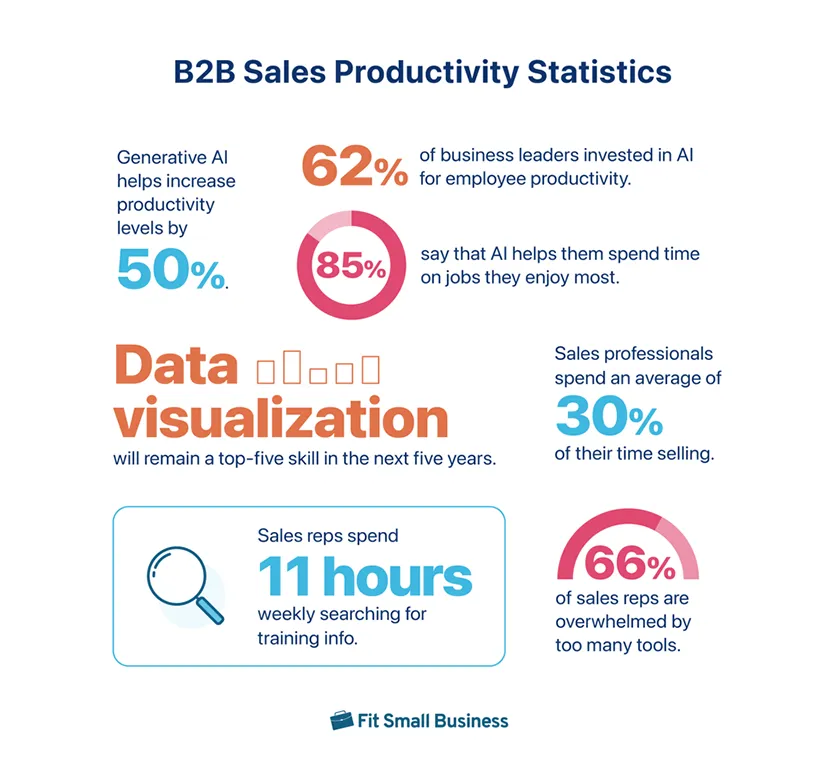
Defining High-Quality Leads for Engineering
Standard lead tracking often delivers generic results—names and emails without technical context. That’s not good enough.
You need to define Engineering-Qualified Leads (EQLs):
- Roles like system engineers, architects, or technical managers
- Firmographic fit, including company size and verticals you serve
- Budget authority or technical stake in decision-making
You can source this information through:
- Form fields on technical assets (e.g. “Type of system you’re integrating”)
- Firmographic enrichment via data services
- Behavioral scoring based on content consumed (e.g. case studies, spec sheets)
When your CRM organizes leads into EQL and non-EQL buckets, reporting shifts from “how many” to “how relevant,” and that aligns with engineering team goals. Stick to a combination of quality filters and content-based scoring to define marketing success.
Marketing ROI Metrics for Engineering B2B: Pipeline Tracking
Engineering B2B cycles tend to be long and complex, often requiring multiple technical evaluations. Marketing can shorten that cycle—but only if you track it.
Key pipeline metrics include sales KPI benchmarks:
- Time from first marketing touch to technical evaluation kickoff
- A percentage increase in opportunities entering proposal or demo phases
- Number of technical assets consumed before sales outreach
- Change in average sales cycle length
To track this, use marketing automation tied to CRM. Example: a lead downloads a system spec PDF and starts a demo calendar schedule. If you map the funnel properly, you can see marketing is pulling prospects into engineering evaluation sooner.
Gauging Content Engagement from an Engineering Viewpoint
Engineers read differently. They want data, not spin. That affects what content counts.
Measure:
- Average time on engineering assets
- Scroll depth for technical blogs or PDF whitepapers
- Video plays of product deep dives or architecture overviews
- Form submissions after specific technical pages
These metrics flag real intent. Someone spending minutes in a deep-dive video is closer to evaluation than someone who skimmed a homepage.
Create dashboards that include metrics such as:
- Top-performing technical assets by time and scroll
- Video completion rates over 50%
- Access to data sheets, API guides, or proofs-of-concept
- Correlation between these assets and demo requests
This gives your engineering leadership confidence that marketing content is genuinely adding value.
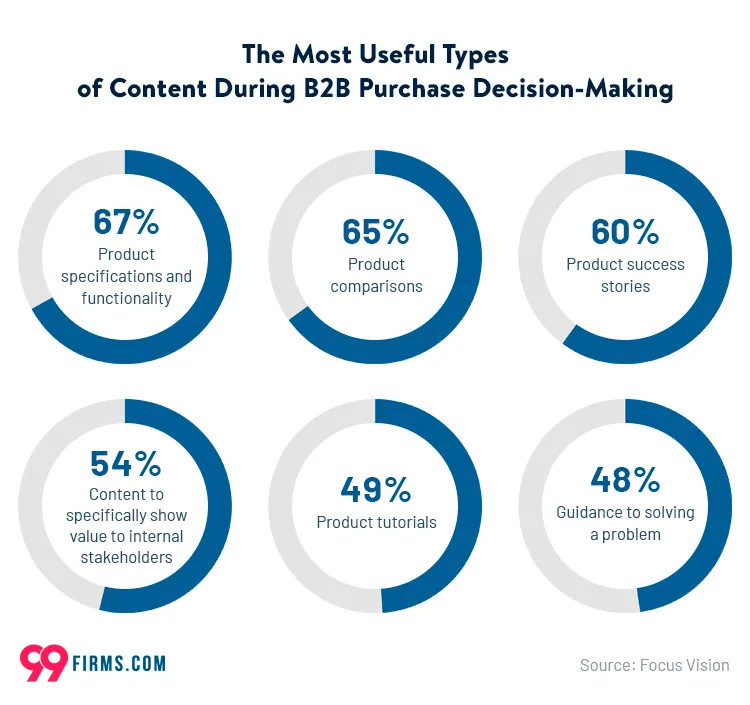
Attribution Strategies for Engineering Touchpoints
Marketing channels in engineering B2B extend beyond search and ads. You’ll also use webinars, integrations, trade journals, and community events. Attribution becomes tricky—but it’s essential.
Use multi-touch attribution to measure:
- Which webinars led to demo scheduling
- The impact of booth interactions at trade shows
- Email campaigns triggering downloads of compliance specs
- Technical webinars that triggered follow-up from engineering teams
Tools like HubSpot, Marketo, or PipeDream allow you to capture touchpoints, analyze B2B marketing data, and assign weighted credit. For example, a prospect might first apply on research content, later attend a webinar, and then schedule a demo. Attribution here helps explain influence across channels—and ensures investment in engineering-focused activities is justified.
Linking Unit Economics to ROI in Engineering
Marketing spend is just the start. You need to show how your marketing creates value—or risk asking for budget increases without evidence.
Track this:
- Cost per EQL – how much did you invest to generate a qualified engineering lead?
- Cost per demo or evaluation – how much marketing spend turned into technical meetings?
- Closed won conversion rate for marketing-influenced deals – how well did your leads convert?
- Pipeline and revenue generated – what dollar value can be attributed to marketing efforts?
- ROI calculation – (Revenue – Marketing Spend) ÷ Marketing Spend
When engineering leadership sees that $10,000 spent on a webinar results in $200,000 evaluated in a deal, ROI is clear—and future budgets become easier to win.
Avoiding Problems
Marketing ROI in engineering B2B demands intentionality. Avoid these traps:
- Counting every lead equally—quantity is worthless without quality
- Ignoring content signals—time and depth matter, not just downloads
- Mapping single-touch attribution to long cycles—use multi-touch
- Failing to align with engineering stakeholders—measurement should reflect their priorities
By highlighting metrics that map sales cycle, deal size, and engineering involvement, you position marketing as a strategic partner—not a cost center.
Planning for Measurement Success in 2025
- Define EQL together with engineering – agree on roles, firmographics, behaviors
- Implement tracking early – use UTM codes and multi-touch setup before launching campaigns
- Set baseline metrics – current cycle lengths, engagement rates, and demo wait time
- Run campaigns with engineering assets – spec sheets, benchmarks, integrations
- Iterate based on data – refine messaging, formats, and follow-up based on performance
Re-assess every quarter. Technical products and markets shift fast. Your measurement and tracking framework needs to evolve too.
Are You Measuring What Matters?
Engineering B2B marketing thrives when marketing ROI metrics for engineering B2B focus on specificity. Generic metrics don’t capture your impact. When your team ties marketing activity to engineering-qualified leads, pipeline acceleration, content engagement, and unit economics, measurement becomes a lever—not a report.
Prove ROI in the language engineering leaders respect: how much value you brought, how quickly you moved deals, and how effectively you built influence. That’s how you secure budgets, drive investment, and evolve alongside your engineering-focused business.
What metrics will you start tracking this quarter?
ISBM can help you stay ahead of the curve by connecting you with practical, research-driven insights and B2B marketing resources into how B2B marketing is evolving. Through expert resources and peer collaboration, we provide the knowledge base and support needed to make informed decisions—especially in fast-changing areas like business market segments. We provide open courses and customized education programs for your marketing teams. Become a member today!