

Marketing management is crucial for aligning business strategies with customer expectations, significantly impacting overall success and growth. Drawing on the expertise of Niels Schillewaert, who brings a deep understanding of market dynamics and innovative marketing practices, this article explores the foundational principles and advanced techniques essential for effective marketing management.
By integrating Schillewaert’s strategic insights, we aim to provide a comprehensive guide to help marketers enhance their strategies, adapt to evolving market conditions, and achieve superior business outcomes.
Quick Takeaways
- Segmenting the market allows marketers to effectively tailor strategies to meet the diverse needs of specific consumer groups.
- Focusing on selected market segments enables businesses to utilize their resources more efficiently and serve these segments more effectively.
- Positioning helps create a unique brand image in the consumer’s mind, setting it apart from competitors by aligning product attributes with consumer desires.
- The coordinated use of Product, Price, Place, and Promotion ensures comprehensive market coverage and maximizes the impact of marketing efforts.
Core Principles of Marketing Management
The foundation of successful marketing management rests on several fundamental principles: market segmentation, targeting, positioning, and the marketing mix. These core concepts form the strategic backbone of effective marketing:
1. Market Segmentation
This involves dividing a broad market into subsets of consumers who have common needs, interests, and priorities. By understanding the distinct characteristics of each segment, marketers can tailor their approaches to meet the specific needs of different groups effectively.
2. Targeting
After identifying the market segments, marketers must decide which segments to focus on. Targeting involves selecting the segments that the business is best equipped to serve, based on factors like market size, growth potential, and competitive positioning.
3. Positioning
This principle revolves around creating a distinct image or identity in the minds of the target segment. Effective positioning differentiates a brand from its competitors by aligning product attributes, benefits, and perceptions with the desires of the targeted consumers.
4. The Marketing Mix
Often known as the 4Ps—Product, Price, Place, and Promotion—the marketing mix is the set of actionable components that a company uses to promote its brand or product in the market.
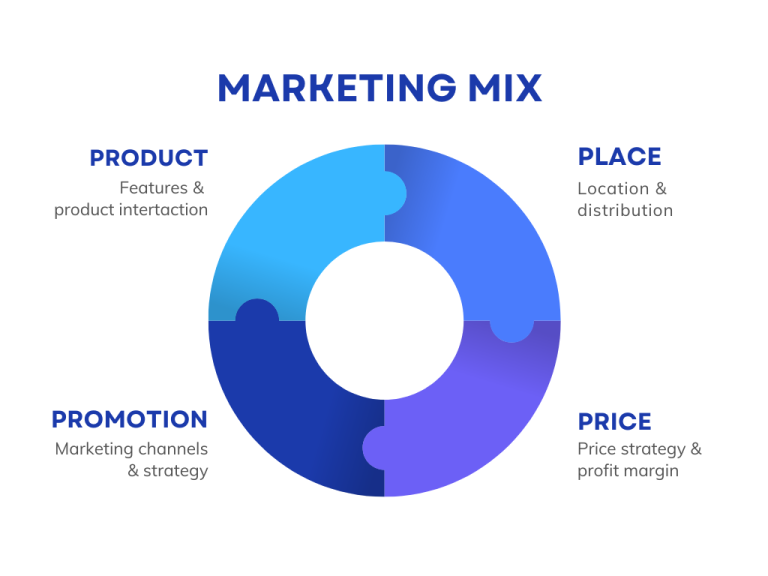
Each element must be carefully considered and coordinated to ensure they all work together to deliver the desired value to the customer.
Contemporary Practices in Marketing Management
As marketing continuously adapts to new technologies and changing consumer expectations, embracing contemporary practices becomes essential for maintaining effectiveness. These modern approaches, supported by advances in technology and deeper consumer insights, are reshaping the field of marketing management:
- Digital Marketing: The digital realm offers unparalleled opportunities for reaching and engaging consumers. Digital marketing includes tactics like search engine optimization (SEO), social media marketing, email marketing, and content marketing. These methods enable brands to connect with a global audience and target consumers with unprecedented precision.
- Customer Data Analytics: Utilizing big data and analytics is vital for understanding consumer preferences and behaviors. Through robust data analysis, marketers can uncover insights into customer journeys, purchasing patterns, and preferences. This information allows for more personalized marketing efforts, enhancing both engagement and customer satisfaction.
- Personalized Marketing: Customizing marketing messages and offers significantly boosts customer engagement. McKinsey highlights that personalized marketing enhances revenue by 5 to 15% and improves marketing spend efficiency by 10 to 30%. This approach includes everything from simple product recommendations to advanced, behavior-based targeting tailored to specific consumer needs and interests.
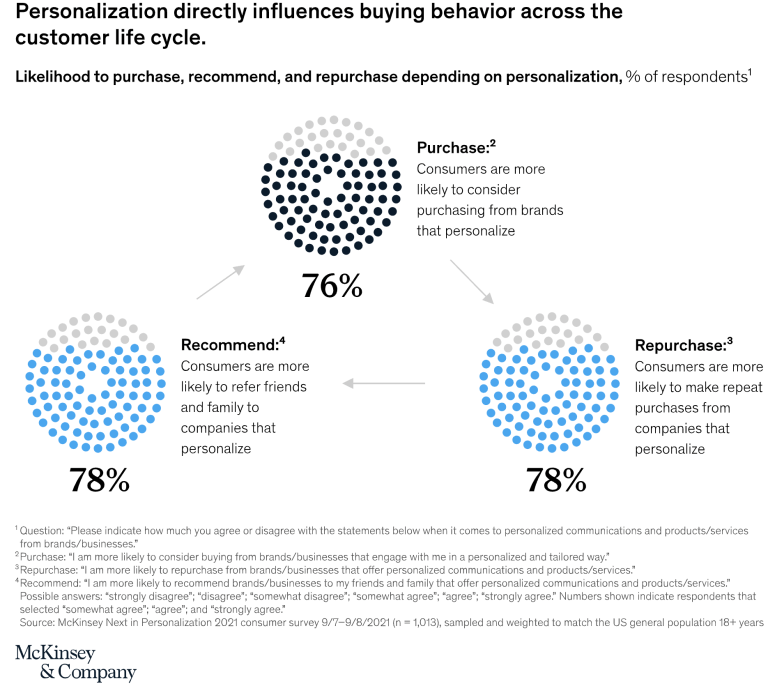
Niels Schillewaert emphasizes the importance of integrating data with human insights to amplify the effectiveness of these practices. He advocates for not only collecting data but interpreting it in ways that genuinely understand and respect the consumer’s context.
This combination of data-driven tactics and a human-centric approach offers a potent strategy to elevate marketing efforts and achieve significant success.
Challenges in Marketing Management
Marketing professionals face a myriad of challenges that can impact the effectiveness of their strategies. Understanding these obstacles is crucial for developing robust solutions that keep marketing efforts on track:
- Technology Integration: Rapid advancements in technology require marketers to continuously learn and integrate new tools and platforms into their strategies. The challenge lies not only in the adoption of these technologies but also in ensuring they seamlessly work together to enhance customer experiences without disrupting existing operations.
- Changing Consumer Behaviors: As consumer preferences and behaviors evolve, marketers must stay agile to adapt their strategies accordingly. This requires constant vigilance and the ability to anticipate market shifts, which can be particularly challenging in a highly saturated and competitive market.
- Global Market Dynamics: Operating in a global market introduces complexities such as cultural differences, regulatory requirements, and economic variability. Marketers must understand these factors to tailor their approaches to diverse consumer bases across different regions.
Niels Schillewaert’s methodologies offer valuable insights into navigating these challenges. His approach emphasizes the importance of a flexible strategy that can adjust to changes swiftly and efficiently.
By advocating for a proactive stance in marketing management, Schillewaert encourages marketers to anticipate potential disruptions and adapt their practices to mitigate risks and capitalize on emerging opportunities. This proactive approach ensures that marketing strategies remain effective and relevant.
Strategies for Success
To thrive in marketing management, it’s crucial to adopt strategies that address contemporary challenges and harness the potential of new opportunities. By implementing the following strategies, marketers can enhance their management practices and contribute to the sustained growth and success of their organizations.
Emphasize Customer Experience
Prioritize creating an exceptional customer experience at every touchpoint. This involves understanding customer needs deeply and crafting interactions that are not only satisfying but also delightful. Brands like Apple and Zappos have excelled by making customer satisfaction a core aspect of their marketing strategies, resulting in higher loyalty and brand advocacy.
Utilize Data-Driven Decision Making
Harness the power of data analytics to make informed decisions. By leveraging tools that provide insights into customer behavior, market trends, and campaign performance, marketers can optimize their strategies in real time to achieve better outcomes.
Foster Agility in Marketing Operations
Adopt agile marketing practices that allow for flexibility and rapid response to changes in the market or consumer behavior.
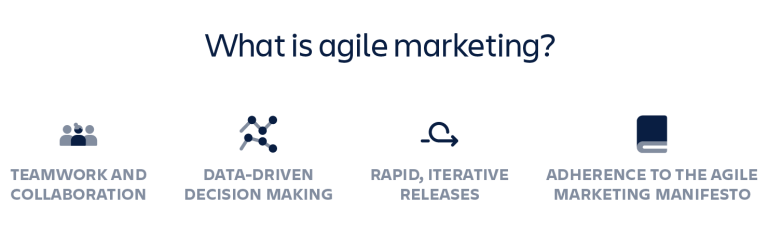
This approach helps in testing new ideas quickly, iterating based on feedback, and scaling successful initiatives more effectively.
Integrate Omnichannel Marketing
Ensure that all channels are seamlessly integrated, providing a unified brand experience for the customer, whether they are interacting online, on mobile, or in-person. Omnichannel marketing not only improves customer satisfaction but also boosts efficiency and effectiveness in reaching and engaging customers.
Invest in Talent Development
Equip your marketing team with the skills and knowledge needed to navigate current and future marketing challenges. Continuous learning and development initiatives keep your team updated with the latest trends, technologies, and methodologies, empowering them to drive success.
Master Marketing Management Today with ISBM
Mastering marketing management is crucial for any marketer aiming to excel in today’s demanding market conditions.
By applying the principles and practices discussed, influenced by Niels Schillewaert’s expert insights, marketers can refine their strategic approaches and achieve significant results. Embracing these strategies ensures continual adaptation and growth, keeping your marketing management efforts both relevant and effective.
ISBM is a nonprofit, global network of business researchers and practitioners. Ask about how an ISBM Membership can help you now or visit ISBM today to learn more!