

Policy changes under a new administration introduce both risks and opportunities for businesses, making business strategy under uncertainty essential and highlighting the policy impact on business. Shifts in pricing regulations, workforce mobility, and unpredictable market forces require leadership teams to reassess strategies as part of a broader economic policy strategy, challenge assumptions, and prepare for multiple possible outcomes. Companies that take a proactive approach will maintain stability while identifying areas for growth.
A recent ISBM-led discussion brought together experts to address these challenges. Key topics included pricing strategy in the face of supply chain changes, immigration policy, scenario planning, and the role of decision biases in strategic risk management. Business leaders need to prepare for upcoming shifts by incorporating structured planning, legal awareness, and data-driven decision-making.
Quick Takeaways
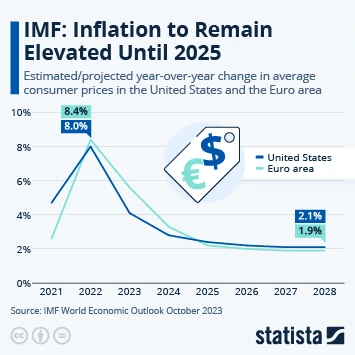
Pricing Adjustments Are Unavoidable – Contracts must include mechanisms for inflation, tariffs, and policy-driven cost shifts.
Workforce Risks Are Rising – Visa restrictions and compliance requirements demand strategic workforce planning.
Scenario Planning Is Essential – Market disruptions require forecasting multiple outcomes instead of relying on single projections.
Decision Biases Must Be Eliminated – Leadership teams need diverse perspectives and regular data updates to avoid blind spots.
Pricing Strategies in an Unpredictable Environment
Setting long-term pricing strategies without considering potential disruptions exposes companies to revenue loss. ISBM Practice Fellow, Joanne Smith, emphasized the importance of preparing for shifts in inflation, taxation, and regulatory costs that affect the regulatory environment marketing teams must navigate.
Rigid contracts that do not account for external cost pressures force businesses to absorb expenses, reducing margins and competitiveness. Examples from industries such as manufacturing and logistics highlight how companies that implemented flexible pricing structures maintained profitability during past policy shifts, while those without contingency plans struggled to adapt.
A proactive pricing strategy includes:
Scenario Testing – Evaluating how different market conditions affect pricing models.
Clear Communication – Keeping sales teams and customers informed about pricing rationale.
Competitive Positioning – Understanding alternatives available to customers and adjusting pricing accordingly.
Companies that regularly assess pricing models will avoid last-minute cost adjustments that could disrupt customer relationships and market position.]
Immigration Policy and Workforce Planning
Workforce mobility remains a top concern under the new administration, as highlighted in recent global workforce insights. Nancy Morowitz and Scott Lieb from Fragomen highlighted the risks businesses face due to visa restrictions, compliance costs, and potential rollbacks of worker programs.
Tech, healthcare, and manufacturing sectors rely on skilled foreign workers, many of whom are in the U.S. under programs such as DACA, TPS, or H-1B visas. Reductions in these programs could lead to talent shortages, increased hiring costs, and disruptions in project timelines.
Potential immigration policy changes include:
Stricter Work Visa Requirements – H-1B and L-1 visa approvals could face additional scrutiny, delaying hiring.
Reduced Student Visa Options – Restrictions on OPT programs could limit the availability of foreign graduates.
Higher Compliance Costs – Businesses may need to allocate resources for additional legal and administrative requirements.
Organizations must assess their workforce composition and develop alternative strategies such as internal training programs, automation solutions, or relocating functions to more favorable jurisdictions. Companies that plan ahead will minimize disruptions and maintain access to necessary talent.
Scenario Planning for Business Strategy Under Uncertainty
Forecasting based on historical trends no longer provides reliable guidance. Paul Dries from Market Edge introduced a structured approach to managing uncertainty through scenario planning and the VUCA framework.
Traditional business planning relies on stable assumptions, but factors such as supply chain disruptions, fluctuating material costs, and shifting trade agreements create an environment where static strategies fail.
Examples of volatile market factors include:
Material Costs – Steel, copper, and semiconductor prices have fluctuated due to global supply chain disruptions and future tariffs.
Regulatory Shifts – Changes in environmental policies impact industries such as energy, automotive, and agriculture.
AI Integration – The rapid evolution of artificial intelligence continues to reshape workforce and operational strategies.
Scenario planning helps businesses prepare for these uncertainties through market uncertainty planning by identifying key drivers of change and testing different response strategies. Companies that integrate structured forecasting methods into their decision-making will be better positioned to handle disruptions while identifying new growth opportunities.
Identifying and Eliminating Decision Biases
Strategic missteps often stem from outdated assumptions rather than a lack of data. Paul Dries led a discussion on how cognitive biases influence business decisions, particularly in uncertain environments.
Organizations that rely on past experiences without reassessing market conditions risk missing opportunities or reacting too late to industry shifts. Leadership teams must recognize potential blind spots and implement structured frameworks to challenge assumptions.
Methods to reduce bias in decision-making include:
Diverse Leadership Teams – Encouraging input from multiple perspectives to avoid groupthink.
Regular Data Reviews – Updating assumptions based on current trends rather than past performance.
Structured Decision Frameworks – Using analytical tools to evaluate risks and opportunities objectively.
Companies that actively challenge their own perspectives will be better equipped to navigate uncertainty and make informed strategic moves.
Strengthening Decision-Making With Diverse Perspectives
Strong decision-making starts with recognizing internal biases. Teams that challenge assumptions and incorporate diverse viewpoints adapt more effectively to policy shifts and market changes. A mix of industry veterans and fresh perspectives creates a broader understanding of risks and opportunities.
Encouraging open discussions and honest questioning helps businesses uncover blind spots before they become costly missteps.
Regularly updating data sets and questioning long-held assumptions keeps strategies relevant.
Organizations that embrace diverse perspectives not only respond more effectively to unpredictable forces but also position themselves ahead of competitors that rely on outdated models or narrow viewpoints.
Preparing for Business Shifts Under the New Administration
Policy shifts will continue to create challenges, but businesses that take proactive steps will minimize disruptions and capitalize on new opportunities while addressing key B2B market challenges. Pricing strategies must account for external cost drivers, workforce planning requires adaptability, scenario planning is essential for market uncertainty, and leadership teams must actively work to eliminate biases in decision-making.
Companies that implement structured approaches to these challenges will maintain stability while positioning themselves for long-term success.
ISBM is a nonprofit, global network of business researchers and practitioners. Ask about how an ISBM Membership can help you now or visit ISBM today to explore our professional learning programs and learn more!