

B2B marketing in technical markets continues to evolve in measured ways. Change reflects adjustments in how organizations support complex buying processes rather than abrupt shifts in strategy or tools. Buyer expectations, data practices, and internal coordination models shape this evolution.
Firms operating in technical markets face long decision cycles, specialized requirements, and multi-stakeholder buying groups. Products and services demand precision and credibility. Marketing must operate within these constraints while supporting informed evaluation and internal alignment.
This article examines how B2B marketing is evolving in technical markets. It focuses on how organizations refine buyer engagement, structure information, and coordinate across functions to support disciplined, evidence-based decision making.
Quick Takeaways
- Buyers in technical markets engage with a broader and more structured set of information sources before contacting sales.
- Marketing increasingly supports extended and non-linear buying cycles through consistency and continuity.
- Organizations place greater emphasis on data quality, shared definitions, and governance.
- Technical credibility remains essential, with growing attention to clarity and usability.
- Alignment across marketing, sales, and technical teams plays a larger role in managing risk and consistency.
1. Buyer Information Networks Are Becoming More Structured
Buyers in technical markets rely on a wide range of information sources before engaging suppliers. These sources include internal specialists, peer organizations, industry publications, and digital resources that support early-stage research.
What is evolving is not the presence of these sources, but how buying groups use them. Early research increasingly supports internal alignment and problem definition, rather than individual exploration. Buyers seek information that clarifies requirements, constraints, and feasibility before supplier conversations begin.
Supporting early-stage problem framing
Marketing content plays a growing role in shaping how buying groups define problems internally. Explanatory materials, application guidance, and clear descriptions of limitations help teams establish a shared understanding. In technical markets, this content must prioritize precision and context over persuasion.
For B2B marketing in technical markets, the emphasis shifts toward clarity, accuracy, and completeness. Content informs internal discussion and evaluation rather than accelerating immediate conversion.
2. Extended Buying Cycles Require Ongoing Marketing Support
In technical markets, buying decisions rarely follow a linear path. Evaluation often involves revisiting earlier assumptions, aligning internal stakeholders, and managing information across multiple decision stages.
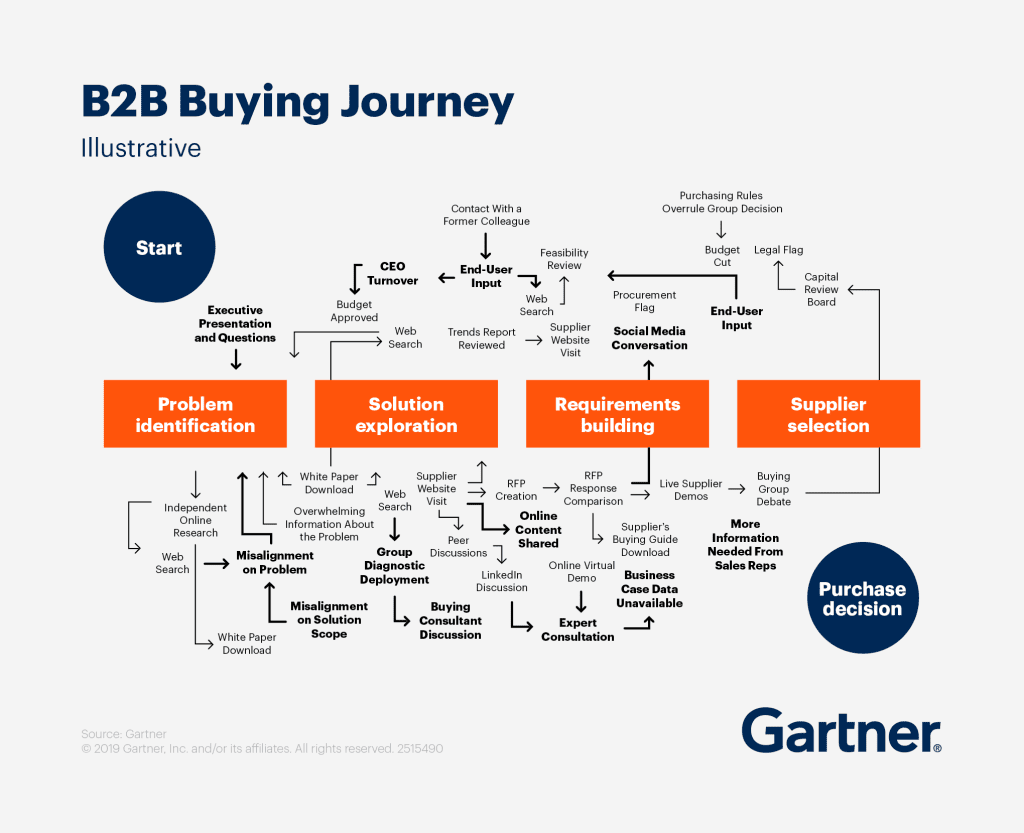
Marketing support increasingly reflects this reality. Rather than operating through discrete campaigns, marketing contributes to sustained decision support across extended evaluation periods.
Maintaining consistency across long evaluations
Consistency across time and channels plays a larger role in buyer confidence. Discrepancies in terminology, claims, or documentation introduce uncertainty and increase perceived risk.
As a result, B2B marketing in technical markets increasingly relies on structured messaging frameworks.
These frameworks help maintain continuity across touchpoints and support informed decision making throughout the buying process.
3. Data Practices Are Shifting Toward Quality and Governance
Organizations operating in technical markets generate substantial volumes of marketing and account data. Engagement metrics, content usage, and account activity provide signals about buyer behavior.
What is changing is how organizations interpret and manage this data. The focus shifts from expanding metric sets to establishing disciplined data practices.
From activity tracking to decision support
Individual metrics rarely explain complex buying behavior on their own. Data becomes more useful when interpreted within the context of long buying cycles and multi-stakeholder decisions.
Marketing teams increasingly invest in shared definitions, consistent reporting practices, and governance standards. These efforts support reliable insight and informed judgment. In technical markets, data complements experience and analysis rather than replacing them.
4. Technical Content Is Becoming More Central to Buyer Evaluation
Technical content has long supported marketing in complex B2B contexts. Its role continues to expand as buyers conduct deeper self-directed evaluation earlier in the process.
Specifications, application guidance, documented use cases, and performance data support buyer understanding across multiple stages of evaluation. Buyers expect this information to remain accessible and consistent throughout the decision process.
Emphasis on usability and structure
As content volumes grow, organization and usability become as important as accuracy. Clear structure, navigable formats, and well-designed visuals reduce friction and support comprehension.
For B2B marketing in technical markets, content strategy increasingly considers how buyers locate, interpret, and apply technical information over time.
5. Cross-Functional Alignment Plays a Greater Role in Risk Management
Marketing effectiveness in technical markets depends on coordination across functions. Sales, product, engineering, and service teams all contribute to buyer experience and expectation setting.
Misalignment introduces risk. Inconsistent claims weaken credibility, while inaccurate descriptions create downstream operational challenges.
Shared language and review processes
Organizations increasingly invest in shared terminology and structured review processes. These practices ensure that external messaging reflects internal realities.

Marketing teams often serve as coordinators, translating technical knowledge into accessible information while preserving accuracy. This role supports consistency and reduces uncertainty for buyers navigating complex decisions.
6. Account-Based Approaches Are Maturing Alongside Buying Structures
Account-based strategies continue to evolve in technical markets. The emphasis shifts from broad personalization efforts toward relevance aligned with how buying groups operate.
Segmentation increasingly reflects industry context, application requirements, and operating conditions. Messaging supports known constraints and decision criteria rather than surface-level customization.
Aligning relevance with decision processes
Effective account strategies rely on research and cross-functional collaboration. Marketing efforts mirror the structure of buying groups rather than individual preferences.
B2B marketing in technical markets benefits when account-based approaches reflect how organizations evaluate, validate, and approve decisions internally.
The Role of Institute for the Study of Business Markets
ISBM supports research and education focused on complex B2B markets, including technical and industrial contexts. Its work connects academic insight with practitioner experience across disciplines.
ISBM research emphasizes evidence-based frameworks, disciplined analysis, and cross-functional collaboration. These perspectives support organizations as B2B marketing in technical markets continues to evolve toward greater structure and analytical rigor.
Support Smarter B2B Marketing in Technical Markets with ISBM
B2B marketing in technical markets continues to mature through greater structure, coordination, and analytical discipline. Organizations refine how they support buyer understanding, manage information, and align internal teams across long decision cycles.
Research-grounded approaches help firms adapt these practices without sacrificing technical accuracy or credibility. Through education, insight, and collaboration, ISBM supports organizations seeking to strengthen marketing effectiveness in complex B2B environments.
Explore ISBM research and resources to deepen your understanding of evidence-based B2B marketing practice and informed decision making. Become a member today!