

SEO audits now sit at the center of B2B digital performance. Buyers do their own research long before they speak with sales. Visibility during those research moments often determines whether a brand earns attention or gets filtered out.
SEO audits also cover more ground than they used to. Technical health, site performance, content quality, competitive positioning, and search intent all require ongoing monitoring. Manual audits struggle to keep pace, especially on large sites with frequent updates. That shift has created momentum behind AI-driven analysis.
AI can automate large parts of an SEO audit, surface patterns across massive data sets, and flag issues faster than a manual review cycle. Still, automation alone does not define success. Human strategy determines what matters, what gets fixed first, and how changes support the buyer journey. This article explains how AI streamlines SEO audits, where human oversight remains essential, and why this partnership shapes long-term B2B search performance.
Quick Takeaways
- AI-supported SEO audits help B2B teams reduce manual review time while expanding technical and competitive visibility
- AI tools automate crawl, performance, and structure analysis across large enterprise websites
- Human oversight guides prioritization, interpretation, and buyer-aligned optimization strategy
- Strong governance ensures AI insights support long-term visibility rather than short-term ranking swings
Why SEO Audits Have Become More Complex in B2B
B2B SEO now extends far beyond keyword rankings and backlink counts. Enterprise sites often support multiple product lines, industries, content libraries, regions, and conversion paths. Each update introduces the risk of performance loss. A change in site architecture, JavaScript rendering, page speed, or structured data can quietly reduce visibility.
Buyers also move through longer research cycles. They compare solutions, read educational content, evaluate integration requirements, and review compliance factors before they commit. Organic visibility supports this entire process and helps buyers keep moving forward.
This makes point-in-time audits less useful. Many organizations now need continuous auditing rather than occasional checkups. AI-driven SEO audits for B2B teams support that shift by automating detection and speeding up how fast issues get resolved.
How AI Changes the Structure of SEO Audits
AI reshapes SEO audits by moving them from periodic reviews to persistent monitoring. Algorithms crawl websites at scale, evaluate internal linking, map crawl barriers, analyze page performance, and flag content anomalies without waiting for manual prompts.
Instead of relying on static reports, teams receive signals that update as site conditions change. These tools surface relationships between page structure, indexation behavior, and ranking movement faster than most teams can identify through manual review alone.
Automated Crawl and Indexation Analysis
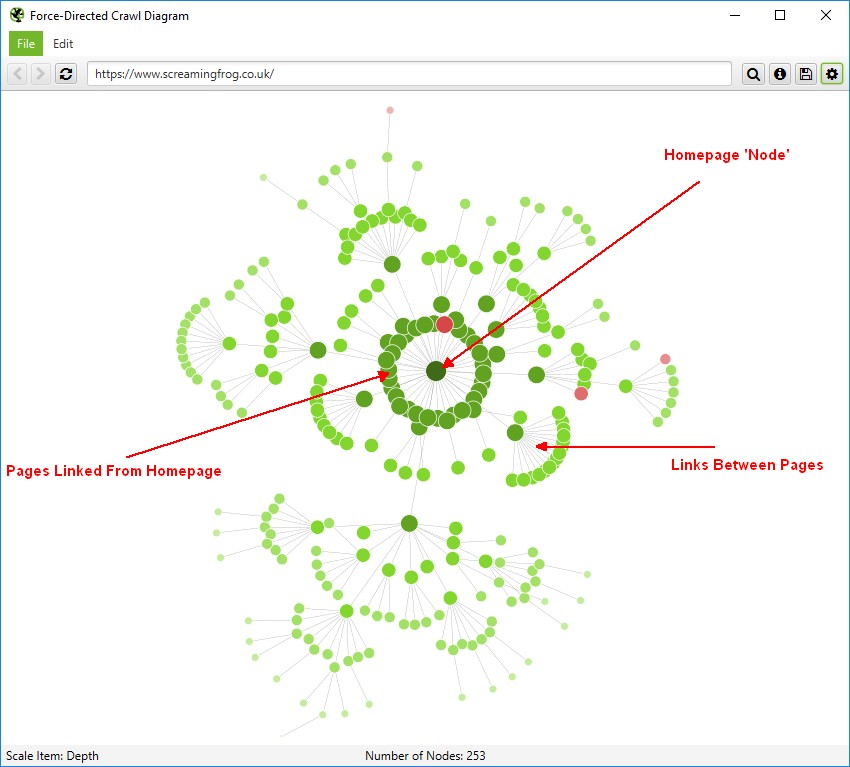
AI-driven crawlers simulate search engine behavior more accurately than many legacy tools. They detect broken link patterns, orphaned pages, redirect chains, crawl-depth issues, and pagination errors across thousands of URLs in minutes.
In B2B environments where sites can include hundreds of thousands of pages, automation prevents structural inefficiencies from compounding. AI-supported SEO auditing helps teams catch issues that manual spot checks often miss.
Performance Diagnostics at Enterprise Scale
Site speed, Core Web Vitals, and server response consistency influence search performance and user experience. AI tools can evaluate load behavior across devices and geographies and flag patterns tied to content weight, script execution, hosting latency, and CDN configuration.
This changes performance work from a periodic technical project into ongoing diagnostics. Teams can identify when performance starts to degrade right after a deployment, rather than realizing it after rankings drop weeks later.
SEO audits for B2B using AI can also help connect marketing performance goals with infrastructure decisions by making the impact clearer and easier to track.
Content and Intent Analysis Beyond Keywords
Keyword tracking alone does not capture how search engines evaluate content. Search systems prioritize semantic relevance, topical depth, and engagement signals. AI-driven content analysis looks beyond term usage. It evaluates thematic coverage, entity relationships, redundancy, and content decay patterns across large domains.
These tools also model intent shifts. They can detect when search behavior moves from early research to commercial evaluation. That allows teams to adjust content before visibility erodes.
AI SEO audits in B2B marketing help content teams align pages to buyer stages while maintaining technical integrity.
Competitive Benchmarking Through AI
AI can also streamline competitive benchmarking by automating market-level comparisons. Tools track indexing coverage, ranking volatility, backlink velocity, and content expansion across competitor domains.
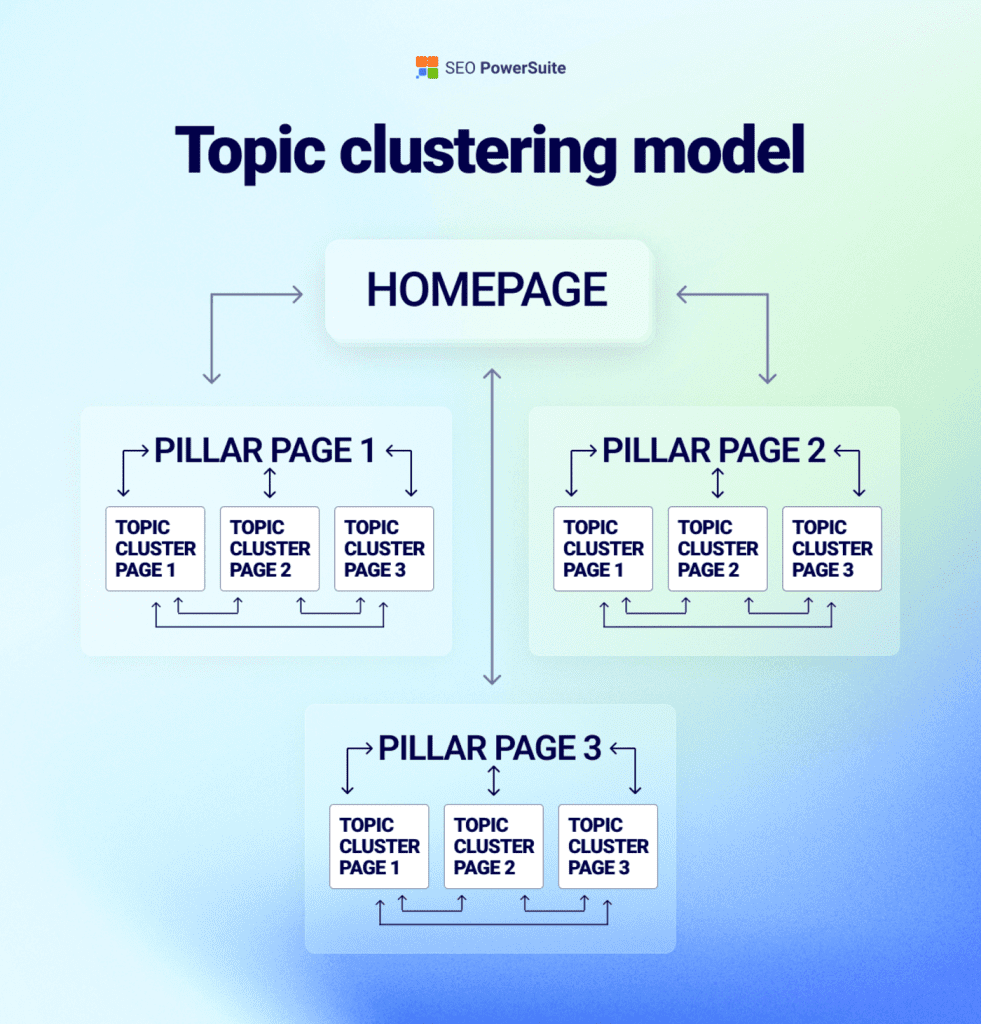
Instead of stitching together disconnected reports, teams can view consolidated competitive intelligence. This helps identify where competitors gain traction, how quickly they publish, and which topic clusters generate momentum.
For B2B organizations in narrow vertical markets, this insight supports smarter investment decisions rather than reactive optimization.
Where Human Strategy Still Guides SEO Audit Outcomes
AI speeds up detection. Human teams define direction. Technical flags do not prioritize themselves. Resource constraints, buyer impact, regulatory exposure, and revenue alignment require business judgment.
Human oversight determines what to fix first, what needs cross-functional coordination, and what can wait. It also ensures that optimization supports brand positioning, messaging consistency, and buyer trust.
Strategic Prioritization and Governance
Not every issue carries the same business impact. A page speed warning on an informational blog post differs from an indexing failure on a product comparison page that supports late-stage evaluation.
Human-led prioritization prevents teams from chasing low-impact signals. It also ensures that AI-driven SEO audits in B2B marketing lead to meaningful performance improvement, not isolated technical cleanups.
Governance matters as well, especially in regulated industries. Content validation, disclosure accuracy, and approval workflows remain essential. AI can support these processes, but it cannot replace accountability.
Cross-Functional Alignment Enabled by AI Audits
AI-driven audits can function as a shared intelligence layer across marketing, IT, content, and revenue operations. Technical teams can track crawl efficiency and server behavior. Marketing leaders can monitor organic demand. Content teams can identify performance decay.
That shared visibility supports faster coordination during migrations, platform changes, and content overhaul projects. It also reduces friction by grounding priorities in transparent data.
AI-supported SEO audits for B2B organizations often become operational connectors, not isolated marketing tools.
Risk Control in AI-Driven SEO Environments
Automation introduces speed, but it also introduces exposure when used without checks. AI recommendations can over-optimize pages, duplicate templates, or trigger large-scale metadata changes without proper validation.
Human review reduces the risk of ranking volatility, messaging distortion, and user experience problems. It also helps ensure compliance with search quality expectations and internal brand standards.
The value of SEO audits for B2B using AI depends on disciplined controls, not unchecked execution.
The Future Role of SEO Teams in AI-Driven Audits
SEO professionals increasingly operate as interpreters and orchestrators rather than manual diagnosticians. Their value lies in synthesis, prioritization, and integration across teams.
They translate signals into coordinated actions that balance technical health, buyer experience, and commercial visibility. They also help stakeholders understand how search performance connects with product strategy, demand generation, and forecasting.
AI-driven SEO audits amplify team impact without reducing strategic relevance.
Long-Term Implications for B2B Search Visibility
Organic visibility reflects more than tactical optimization. It reflects how well organizations align governance, content integrity, performance standards, and buyer relevance over time.
AI enables continuous visibility management rather than episodic intervention. Human leadership defines how systems adapt to shifting buyer behavior, regulatory expectations, and competitive dynamics.
B2B organizations that treat AI-powered SEO audits as strategic infrastructure build more stable search performance through market shifts and economic cycles.
Streamline SEO Audits with AI and Strategic Oversight Today with ISBM
AI SEO audits in B2B marketing strengthen how organizations detect technical barriers, evaluate content performance, and monitor competitive positioning at scale. Automation increases diagnostic speed. Human oversight protects relevance, governance, and buyer alignment. Mastering both supports sustainable search performance in B2B markets.
Want to improve how your organization executes AI SEO audits in B2B environments? Explore ISBM research to guide disciplined, buyer-focused optimization strategies. Become a member today!