

As businesses and technology continue to boom, artificial intelligence (AI) and digital strategies are tools we shouldn’t skip out on for long-term success. B2B companies looking to stay relevant and grow must integrate these tools into their operations to be competitive. AI offers opportunities to simplify processes, improve customer engagement, and influence positive decision-making.
However, adopting digital tools effectively requires thoughtful planning and execution. Businesses should focus on combining AI with human-centered approaches to future-proof their operations, ensuring both efficiency and relationship-building remain important.
Quick Takeaways
Adopt digital strategies that integrate AI and automation to drive efficiency and growth.
Leverage AI for predictive analysis and personalized marketing, enhancing customer engagement and retention.
Blend digital tools with human connection to build strong, trusted B2B relationships.
Utilize AI in operational efficiency while maintaining personal customer relationships to maximize marketing success.
Embracing AI for Your Business
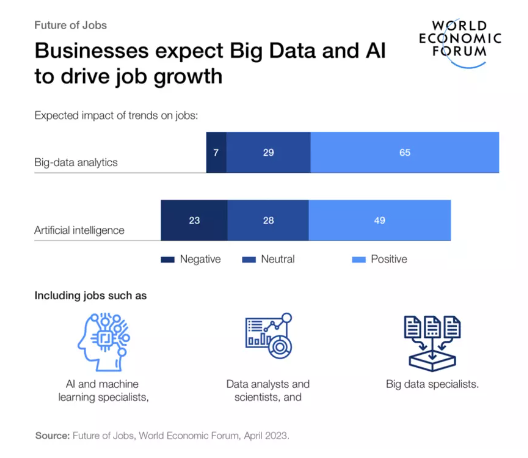
AI technologies have transformed how businesses operate. Machine learning, data analysis, and automation have simplified and sped up numerous functions that used to require substantial manual effort. Companies using AI to predict market trends, optimize supply chains, or automate customer service functions often see improved outcomes, particularly when AI is applied strategically.
Predictive analytics, powered by AI, allows businesses to anticipate customer needs, refine marketing campaigns, and make informed decisions based on trends in customer behavior. For instance, AI can analyze historical purchasing data to suggest new products to existing clients, reducing the time needed for sales teams to generate leads manually. Instead of relying on intuition or past practices, AI provides real-time insights that align business strategies with current market demands.
Automation is another AI-driven capability that enhances operational efficiency. Routine administrative tasks like appointment scheduling, order processing, and inventory management are now handled through AI-powered systems. This automation frees up human capital for higher-level tasks, allowing employees to focus on strategic initiatives while machines handle repetitive duties.
Personalizing Marketing Through AI
AI has changed the landscape of buyer interaction. Personalization, driven by AI’s ability to analyze customer data, has become key in creating unique buyer experiences. Instead of broad, impersonal campaigns, businesses can now deliver tailored messages to individual customers based on their preferences and behaviors.
For example, AI algorithms track buyer interactions across multiple touchpoints—social media, email, and in-store experiences—and use this data to craft personalized recommendations. A potential buyer browsing a company’s website might receive tailored product recommendations based on their past purchases or search history. This approach deepens engagement by providing the buyer with the right product or service at the right time.
Beyond marketing, AI’s personalization capabilities extend to customer service. AI-powered chatbots and virtual assistants respond to inquiries in real time, offering quick and accurate answers to customer questions. Instead of waiting for a human representative, customers enjoy immediate interaction with AI-driven systems. These systems also learn from previous conversations, continuously improving their responses and delivering more personalized support over time.
Human Connection in a Digital World
As AI and digital tools continue to grow in importance, businesses must remember the human element that remains vital to B2B relationships. Personal connections still play a crucial role in fostering trust, loyalty, and collaboration between businesses. Technology should complement—not replace—these relationships.
Research shows that successful B2B marketing relies heavily on person-to-person (P2P) interactions. While AI can handle operational tasks, building long-lasting business relationships requires human involvement. Whether through face-to-face meetings, phone calls, or video conferencing, personal interactions create trust and deepen partnerships. Clients are more likely to work with businesses that value these relationships and invest time in building them.
AI and digital tools can enhance these relationships by allowing businesses to focus on high-touch interactions. For instance, sales teams freed from routine tasks by AI-powered systems can devote their time to strengthening customer relationships. By sending automated follow-up emails or analyzing customer behavior trends, AI enables sales representatives to personalize their outreach and offer solutions tailored to each client’s unique needs.
Creating a Balance Between AI and Personalization
Achieving success with AI and digital strategies requires businesses to strike the right balance between automation and personalization. AI excels at handling large datasets, predicting outcomes, and streamlining tasks, but human connection remains the foundation of trust in B2B environments. Companies that implement AI without sacrificing personal relationships will stand out in a crowded marketplace.
One strategy involves using AI to enhance, not replace, human interactions. For example, while an AI chatbot might handle simple customer inquiries, complex issues should be escalated to a human representative. Customers appreciate the speed and efficiency AI brings, but they still value personal support when it comes to addressing nuanced concerns. A balance between AI-powered convenience and human touch offers the best of both worlds.
Another approach involves tailoring AI-driven tools to improve human connection. For instance, AI can analyze customer data to identify opportunities for personalized outreach from sales teams. Instead of sending generic promotions, sales representatives can use AI insights to connect with clients on a deeper level. Whether offering targeted solutions or personalized offers, businesses can use AI to deliver more meaningful interactions.
Adapting AI and Digital Tools for Future Growth
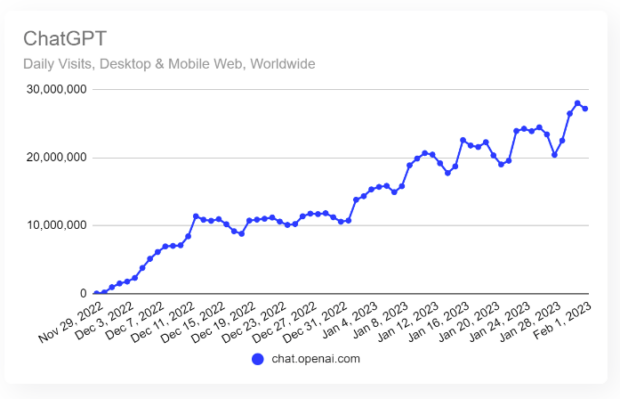
Staying ahead of the competition requires businesses to remain adaptable in their approach to AI and digital strategies. While AI provides clear benefits in terms of efficiency, personalization, and data-driven decision-making, the technology itself is constantly evolving. Businesses must continuously assess their use of AI to ensure that they are maximizing its potential while staying aligned with their goals and customer needs.
Regular evaluation of AI systems is crucial. What worked two years ago may no longer be relevant in today’s fast-paced business environment. Companies should stay informed of advancements in AI and digital technologies, regularly updating their tools and processes to maintain a competitive edge.
As digital tools become more sophisticated, they should be seen as one piece of a larger business strategy. Successful companies combine AI’s capabilities with their understanding of the market, customer preferences, and the value of human connection. By keeping this balance at the forefront, businesses can future-proof their operations and achieve long-term growth.
Prepare Your Business for the Future with ISBM
Integrating AI and digital strategies offers businesses a pathway to future-proof their operations. AI’s ability to drive efficiency, personalize marketing efforts, and enhance decision-making has already proven its worth. However, businesses should approach AI not as a replacement for human relationships but as a tool to support them. Success in B2B markets relies on trust, loyalty, and personal connection, all of which remain critical despite advancements in technology.
Future-proofing your business means adaptability, foresight, and a commitment to staying connected to clients on a human level. For more information on the latest research and strategies for AI in business, visit ISBM.com and learn how a membership can benefit you.