
Keeping your business competitive demands foresight, strategic planning, and the ability to translate visions of the future into actionable strategies. By implementing futurist strategies, you can anticipate multiple possible futures and prepare strategically to navigate uncertainties and emerging trends.
At the recent ISBM Member Meeting in June, JT Mudge, a renowned futurist and strategist, shared his insights on implementing these strategies to ensure businesses not only survive, but thrive in the future.
In this article, we’re exploring practical insights on how businesses can translate future visions into actionable strategies. We’ll discuss JT Mudge’s approach and share tips for organizations looking to embrace foresight in their decision-making processes.
Quick Takeaways
- Futurist strategies involve anticipating a range of possible futures and preparing for them strategically.
- Unlike traditional strategic planning, futurist strategies embrace uncertainty and complexity to navigate the unknown and proactively shape the future.
- JT Mudge’s approach emphasizes foresight scanning, a systematic methodology for exploring future possibilities to improve decision-making and strategic planning.
- The Three Horizons Framework and Futures Triangle are essential tools for identifying future change signals and understanding the forces driving change from past, present, and future perspectives.
Understanding Futurist Strategies
Futurist strategies involve anticipating multiple possible futures and strategically preparing for them. Unlike traditional strategic planning, which often focuses on short-term goals and predictable outcomes, futurist strategies embrace uncertainty and complexity.
They provide a framework for businesses to:
- Navigate the unknown
- Identify emerging trends
- Proactively shape their futures
The driving force behind futurist strategies is the understanding of change, which can be categorized into five key areas known as STEEP: Social, Technological, Economic, Environmental, and Political.
By examining these elements, businesses can gain a comprehensive view of the factors that may influence their operations and identify potential opportunities and threats.
JT Mudge’s Approach to Futurist Strategies
JT Mudge’s approach to futurist strategies is rooted in foresight scanning—a systematic methodology for exploring the future to make better decisions today. Mudge’s recent presentation highlighted the importance of foresight scanning in improving decision-making and strategic planning.
Foresight Scanning Methodology
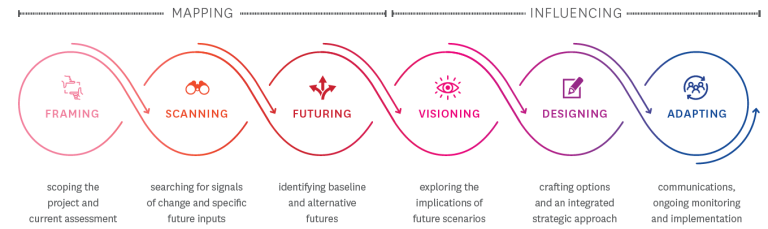
- Framing: Define the boundaries and objectives of the foresight exercise. This includes identifying the key questions to be answered and assessing the current state of the business and its environment.
- Scanning: Look for early indicators of change, known as signals. These can be trends, emerging issues, technological advancements, or shifts in consumer behavior.
- Futuring: Create scenarios or narratives that describe different possible futures based on the identified signals. These scenarios help visualize what the future might look like and prepare for various outcomes.
- Visioning: Analyze the potential impacts of each scenario on the organization. This step involves considering how different futures could affect the business and its stakeholders.
- Designing: Develop strategies and action plans to navigate the identified futures. This includes setting goals, allocating resources, and implementing measures to achieve desired outcomes.
- Adapting: Continuously monitor the environment for new signals and adapt strategies as needed. This ensures that the business remains agile and responsive to changes.
Tools and Techniques
JT Mudge utilizes several tools and techniques to facilitate foresight scanning and strategic planning. Two notable frameworks are the Three Horizons Framework and the Futures Triangle.
Three Horizons Framework: This framework helps identify signals of future change and categorize them into three horizons:
- Horizon 1: Represents the current state and short-term trends. It focuses on maintaining and optimizing existing operations.
- Horizon 2: Encompasses emerging trends and innovations that may disrupt the current state. It involves experimenting and adapting to new opportunities.
- Horizon 3: Looks at long-term, transformative changes that could redefine the industry. It encourages visionary thinking and preparing for radical shifts.
Futures Triangle: This framework examines the forces driving change from three perspectives:
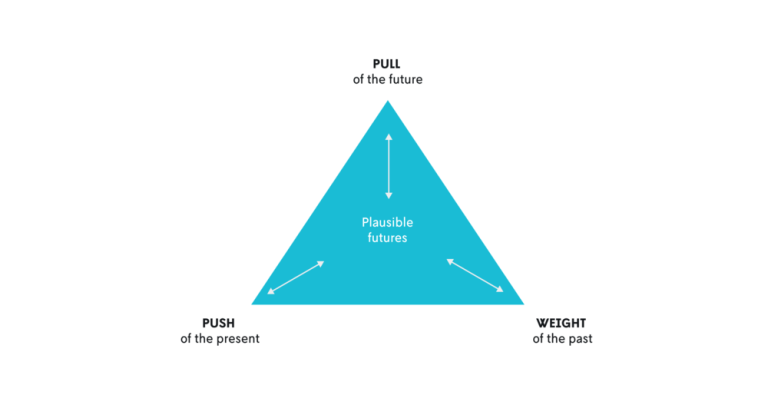
- Weight of the Past: Identifies historical factors that may hinder or influence future change.
- Push of the Present: Analyzes current trends and drivers that shape the immediate future.
- Pull of the Futures: Envisions desired future states and aspirational goals that can guide strategic planning.
Practical Steps for Implementing Futurist Strategies
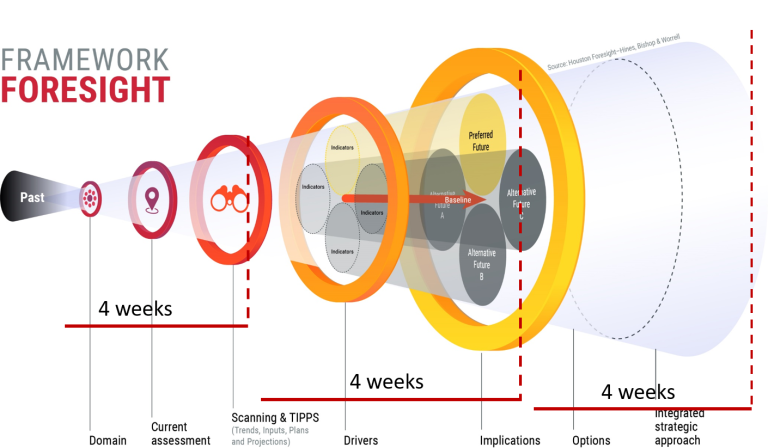
To effectively implement futurist strategies, businesses must integrate foresight scanning into their daily operations. Here are some practical steps to get started:
Scanning for Signals
- Daily and Project Scanning: Incorporate regular scanning activities into your routine. Daily scanning involves keeping an eye on news, social media, and industry reports to spot emerging signals. Project scanning is more targeted and involves focused research on specific topics or trends.
- Collecting and Documenting Signals: Create a central repository to record and organize signals. Tag signals with relevant categories (e.g., STEEP) and include descriptions and implications for easy reference.
- Analyzing Signals: Examine the collected signals to identify patterns, disruptions, and opportunities. Look for trends that indicate significant changes and assess their potential impact on your business.
Analyzing and Applying Insights
- Signal Analysis: Differentiate between signals and TIPPs (Trends, Issues, Plans, Projections). Signals are early indicators of change, while TIPPs are more concrete and actionable. Both are valuable for strategic planning.
- Strategic Application: Use the insights gained from signal analysis to inform your strategic planning. Develop scenarios based on different future possibilities and create action plans to address each scenario. This approach ensures that your business is prepared for a range of outcomes.
Building a Foresight Culture
- Fostering a Foresight Culture: Encourage a culture of foresight within your organization. This involves promoting continuous learning, curiosity, and openness to new ideas. Create a safe space for employees to explore and discuss future possibilities.
- Training and Development: Invest in training programs and resources to enhance your team’s foresight capabilities. JT Mudge recommends several training and certification programs, including the University of Houston’s Professional Certificate in Strategic Foresight and the TFSX Learning and Certification.
Embracing Foresight in Decision-Making
To fully embrace foresight in decision-making, businesses must integrate it into their strategic planning processes and daily operations. Here are some tips to achieve this:
1. Integrate Foresight into Strategic Planning
Make foresight an integral part of your strategic planning process. Use foresight tools and techniques to inform decision-making and guide long-term planning.
2. Encourage Continuous Learning
Promote a culture of continuous learning and improvement. Encourage employees to stay informed about emerging trends and developments in their industry.
3. Stay Agile and Adaptable
Ensure that your business remains agile and adaptable to changes. Regularly review and update your strategies based on new insights and changing circumstances.
Embrace the Future of Strategic Foresight with ISBM
By adopting foresight scanning practices and integrating them into strategic planning, businesses can effectively navigate uncertainties and make informed decisions. JT Mudge’s approach to futurist strategies offers a robust framework for translating future visions into actionable plans.
As we move forward, let us harness the power of foresight and take proactive steps to shape the futures we envision. ISBM is dedicated to supporting businesses in this endeavor by offering the latest insights, tools, and expert guidance in futurist strategies. Partnering with ISBM provides organizations with invaluable resources and support to seamlessly integrate foresight into their strategic planning and decision-making processes.
ISBM is a nonprofit, global network of business researchers and practitioners. Ask about how an ISBM Membership can help you now or visit ISBM today to learn more!