

Bob Cooper, a longtime ISBM Distinguished Research Fellow, lives in Toronto and of course is a Maple Leafs fan. He has developed AI-GOAL, an AI model for predicting hockey games’ outcomes. Actually, AI developed the model for Bob, and AI also operates the model, doing all the data search, rating the two teams on key criteria, etc.
So far his model has been right 7 for 8 on the games he’s applied it to!
Bob’s AI-GOAL hockey model uses the same approach as his new AI-PRISM business model, an AI model predicting new product success, which predicts the outcomes of new product projects – win or lose – before the “game has started.” AI-PRISM may not be as much fun, but it promises to make you and your company a lot more money.
Did you know that 70% of the pre-development “betting decisions” on new-product projects are wrong? Here is where Bob’s AI model does so much better.
Quick Takeaways:
- AI-GOAL’s playoff predictions inspired AI-PRISM, a business-focused model that forecasts new product success using the same predictive principles.
- AI-PRISM addresses a major problem in NPD—the 70% failure rate of early-stage project bets—by improving Go/No-Go decisions.
- The model uses a seven-factor scorecard powered by AI to evaluate projects objectively, leveraging both internal and external data.
- Validation tests show AI-PRISM is more consistent and accurate than human evaluators, making it a powerful decision-support tool.
- By integrating AI-PRISM with financial metrics like ECV, companies can potentially double their RD&E productivity and profitability.
From the Rink to the Market: A Shared AI Logic
While predicting game outcomes and forecasting business project success might seem worlds apart, both hinge on the same principle: using large-scale data and predictive modeling and predictive analytics to improve decision-making.
What is AI-GOAL?
AI-GOAL works by gathering a vast array of game-specific data—offense and defense stats, goaltender performance, injury reports, historical trends, and more. It then applies an algorithm that evaluates and weighs each factor, assigning a win probability for each team. Once trained and validated, the model operates with a level of accuracy that outperforms casual human predictions and biased fan takes.
How Does it Compare to AI-PRISM?
That same process powers AI-PRISM (Predictive Risk and Success Model). Developed to address the notoriously high failure rate in new product development—where roughly 70% of pre-development project decisions are wrong—AI-PRISM offers a data-driven way to evaluate which product ideas are likely to succeed, and which ones deserve a hard pass.
Understanding the Stakes: Why AI Model Predicting New Product Success Matters
In today’s markets, innovation is essential, but expensive. Companies invest heavily in R&D, yet most new product initiatives still fail to meet expectations, either by underperforming commercially or never reaching launch at all.
One of the biggest culprits?
Faulty Go/No-Go decisions made too early, based on incomplete or biased information.
How AI-PRISM Works
That’s where AI-PRISM comes in. Like a coach scouting for a Stanley Cup-winning roster, the model assesses each product idea through a rigorous, unbiased lens. It works by evaluating a project across seven key factors that research has shown to be reliable predictors of NPD success. These include elements like product uniqueness, market attractiveness, competitive advantage, and execution feasibility.
But AI-PRISM doesn’t just crunch internal metrics. It also gathers and integrates external data—market trends, competitor moves, customer sentiment, economic indicators—offering a much more holistic and real-time analysis than human reviewers typically can.
What Makes AI-PRISM Different?
Where traditional decision-making relies on judgment, experience, and sometimes politics, AI-PRISM delivers something else: probabilistic forecasting rooted in empirical evidence. The model doesn’t just say “this looks good” or “this seems risky.” It provides an objective success probability—a clear percentage chance of success based on how similar projects have performed in similar environments.
That probability is then used to inform financial projections. For instance, companies can integrate it into Expected Commercial Value (ECV) models to get a more realistic view of the potential return on investment. AI-PRISM isn’t replacing human decision-makers, but it is giving them better tools.
In validation tests, AI-PRISM’s consistency and reliability outperformed human reviewers, particularly in early-stage assessments. And because the model is transparent, it’s easy to explain why a project scored the way it did—an essential factor in building trust with executive stakeholders.
Better Decisions, Better Productivity
The implications for business performance are significant. According to Cooper, organizations that use models like AI-PRISM can potentially double their RD&E productivity. That’s not a small improvement—it’s a strategic advantage.
Think of a typical portfolio review meeting. Managers are looking at a dozen new product ideas and trying to decide which ones move forward. With AI-PRISM, those discussions are informed by real data, not just persuasive presentations or past experience. The model highlights which projects deserve investment, where the risks lie, and where more information is needed.
In effect, AI-PRISM reduces guesswork. It transforms Go/No-Go decisions from bets to informed choices—and in doing so, dramatically increases the odds of picking a winner.
Crossing the Trust Barrier
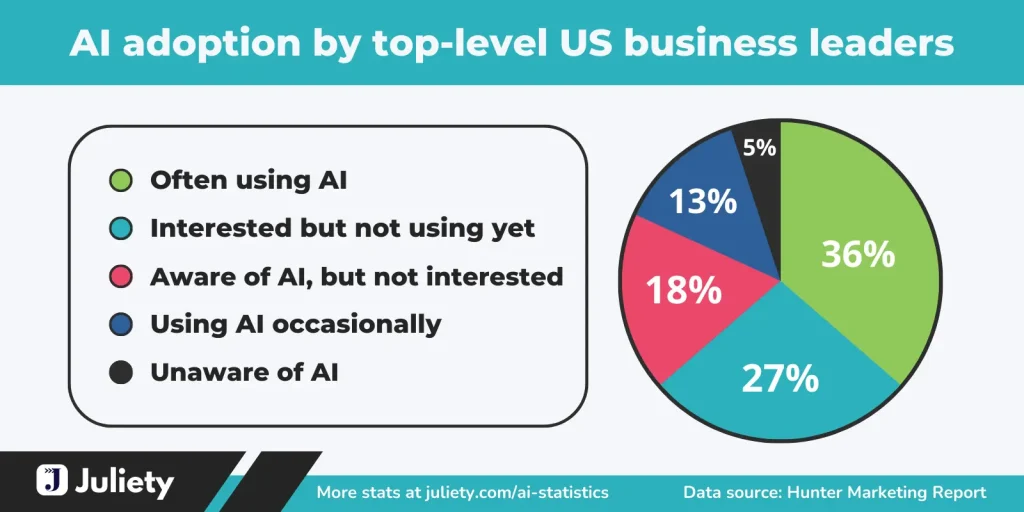
Despite these benefits, many companies are still cautious about using AI in new product development decisions, as highlighted in recent AI adoption insights. There’s a fear of “black box” thinking—of turning over critical strategy to algorithms. Cooper’s approach addresses that head-on by emphasizing transparency, interpretability, and human oversight.
AI-PRISM isn’t meant to replace innovation teams. It’s designed to support them. By offering a rigorous, evidence-based perspective, it adds clarity to conversations and helps teams focus on the most promising opportunities.
And just as Cooper’s hockey model has helped him avoid the pitfalls of bias (including the ever-present temptation to overestimate his Maple Leafs), AI-PRISM helps executives look past organizational politics and focus on what really matters: likelihood of success in a dynamic, competitive market.
Why It Works: Seven-Factor Model Explained
Cooper’s model assesses each NPD project across seven predictive dimensions:
- Product Advantage – Does the product offer a clear, meaningful benefit over current alternatives?
- Market Attractiveness – Is there strong demand? Are market conditions favorable?
- Technical Feasibility – Can the product be built reliably within the time and cost constraints?
- Synergy with Company Strengths – Does the project align with what the company does well?
- Quality of Execution Plans – Are the go-to-market and development plans well thought out and actionable?
- Competitive Intensity – How fierce is the competition, and how well is the company positioned?
- External Validation – What does external data suggest about the likelihood of success?
Each factor is scored based on both internal documentation and external data. The model uses natural language processing, web scraping, and machine learning to pull in data points and assess their relevance. Then it applies weights (based on historical project outcomes) to calculate an overall success probability.
Because it pulls from vast external sources, AI-PRISM often identifies red flags or hidden opportunities that internal reviews miss. For instance, a product might seem viable internally, but external signals—such as declining customer interest or a competitor’s new release—could lower its odds of success.
Lessons from the Ice
If it sounds like a lot of work, remember: AI does the heavy lifting. Just like AI-GOAL pulls in game stats and historical matchups to pick playoff winners, AI-PRISM scans product data, market signals, and precedent to spot the winning ideas. The logic is the same; only the stakes differ.
And just like predicting hockey games, predicting product success is rarely about a single factor. Success comes from patterns—how variables interact, how strengths counterbalance weaknesses. That’s where AI excels: recognizing patterns far beyond what a human mind can process in real time.
Bringing AI into the Boardroom
AI’s role in product development and innovation is only going to grow, making it critical to build effective AI strategies early. As data becomes more available and decision speed becomes more critical, tools like AI-PRISM offer a way forward—making innovation smarter, faster, and more reliable.
The early results are promising: more accurate forecasts, fewer failed projects, better alignment between strategy and execution. And if a model built for hockey playoffs can be repurposed to improve business strategy, it shows just how flexible and powerful predictive AI can be.
AI isn’t just for coders or analysts anymore. It’s for marketers, engineers, product managers, and executives. It’s a teammate, not a threat.
So whether you’re watching the Stanley Cup or reviewing next quarter’s innovation portfolio, it may be time to bring AI into the conversation. Because just like hockey, product development is a high-stakes game—and every edge counts.
Curious to learn more about AI-PRISM and its applications in new product development?
Contact us at ISBM.com.
ISBM can help you stay ahead of the curve by connecting you with practical, research-driven insights into how B2B marketing is evolving through our free B2B resources. Through expert resources and peer collaboration, we provide the knowledge base and support needed to make informed decisions—especially in fast-changing areas like business market segments. Become a member today!