

If you’re a B2B company looking to grow, market segmentation is essential. Unlike B2C, where customer groups can be broadly targeted, B2B segmentation calls for detailed insights into company characteristics, decision-making patterns, and industry specifics. An effective B2B segmentation approach allows you to deliver specialized marketing efforts, ultimately improving engagement and driving sustainable growth.
Quick Takeaways
B2B segmentation requires a deeper focus on business-specific factors, like company size and industry.
Segmentation boosts efficiency by allowing businesses to focus on their highest-value customer segments.
Combining firmographic, behavioral, and technographic data strengthens segmentation effectiveness.
Continuous analysis helps adjust strategies as business landscapes and customer needs evolve.
Understanding B2B Market Segmentation
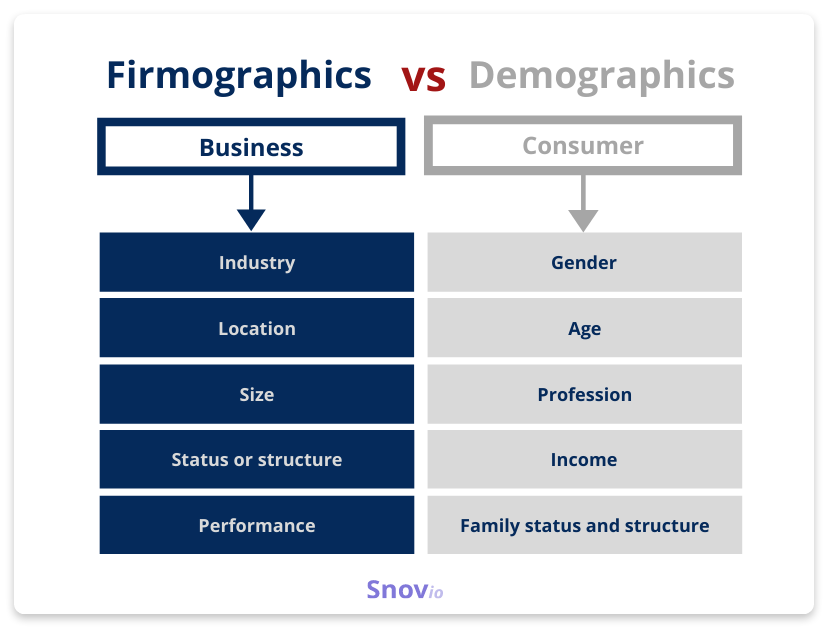
Market segmentation in B2B means identifying specific groups within the broader business market that share common characteristics, allowing you to craft targeted approaches for each group. This goes beyond demographics like age or income used in B2C marketing, and instead focuses on organizational factors such as industry, location, size, and operational needs.
B2B Segmentation Approaches
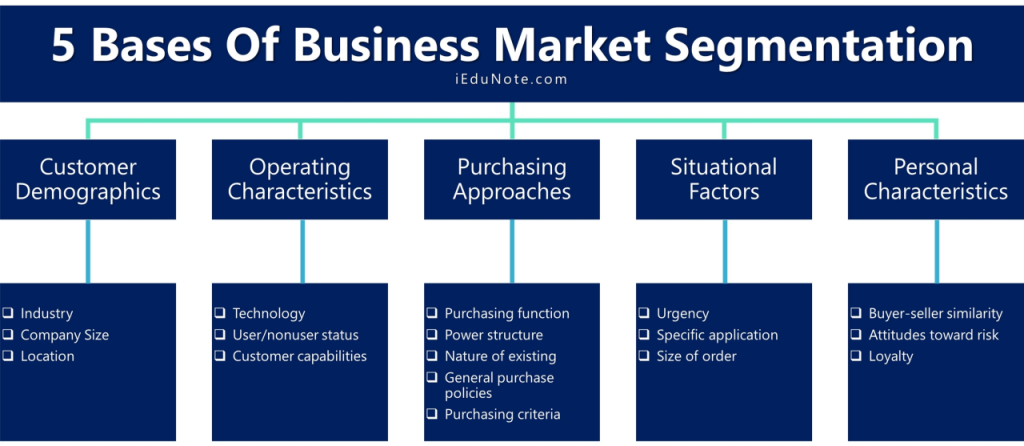
B2B segmentation uses multiple layers to define the most impactful segments. Here’s how different methods can be effectively applied:
Firmographic Segmentation
Firmographic segmentation categorizes businesses by key organizational traits, such as:
Industry: Target businesses within specific sectors that are more likely to need your products.
Company Size: Segmentation by size helps prioritize marketing efforts toward small businesses, mid-market, or enterprise-level clients.
Geography: Understanding regional needs can inform localized marketing and account-based strategies.
Firmographic data creates a foundation for segmenting your market, giving a clear view of potential clients’ structural needs and capacities.
Behavioral Segmentation
Behavioral segmentation looks at how businesses interact with products and services. By examining buying behavior, product usage, and purchasing history, businesses can:
Identify loyal clients or frequent buyers for retention-focused strategies.
Segment potential clients based on how they prefer to make purchasing decisions or engage with content.
Understand buying cycles, helping align sales timing and marketing outreach with customer needs.
Technographic Segmentation
Technographic segmentation focuses on the technology and tools a business uses, which is especially valuable in industries where certain software, platforms, or digital practices define day-to-day operations. For instance:
Companies using specific software platforms may have needs for complementary products or services.
Technographic data can reveal compatibility with your offerings or highlight a need for integrations, influencing messaging.
Using technographics, you can personalize outreach based on each segment’s technology stack, making your solutions more relevant.
Psychographic Segmentation
Psychographic segmentation, though often associated with B2C, can also provide deep insights into B2B audiences. This method involves understanding company values, mission, and decision-maker mindsets. By assessing factors like corporate culture and priorities, companies can align their messaging with the values that matter most to each segment. For example:
Businesses prioritizing innovation may respond positively to messaging around new technology.
Those with a focus on sustainability may prefer eco-friendly or energy-efficient products.
Psychographic segmentation allows you to address deeper motivators within organizations, fostering stronger connections and more personalized engagements.
Needs-Based Segmentation
Needs-based segmentation zeroes in on the specific challenges, pain points, and goals of each segment. By identifying distinct needs across segments, you can develop targeted solutions that directly address what matters most to each group. For example:
A manufacturing company may need operational efficiency tools.
A healthcare organization may prioritize compliance and data security.
Needs-based segmentation not only helps in crafting specialized product offerings but also enables your sales and marketing teams to speak to these pain points in a way that resonates with prospective clients. Understanding segment-specific needs enhances your product’s relevance and positions your company as a go-to solution for their exact requirements.
Steps for Effective B2B Market Segmentation
Creating a segmentation strategy starts with data but succeeds through refinement and regular analysis. Here’s a step-by-step guide:
Define Your Ideal Customer Profile (ICP)
Start by identifying common characteristics of your most profitable clients. Your ICP helps focus your segmentation strategy on prospects with the highest potential for conversion.
Choose the Most Relevant Segmentation Criteria
Firmographics, behavior, and technology use are valuable criteria. Use data from CRM systems, analytics tools, and industry reports to support these segments.
Analyze and Prioritize Segments
Not all segments will have equal growth potential. Assess factors like market size, purchasing power, and alignment with your offerings to prioritize high-impact groups.
Develop Tailored Marketing Strategies
Once segments are identified, craft marketing strategies aligned with each group’s unique characteristics. Customize your messaging, content, and channels to resonate deeply with each segment.
Monitor and Adjust
Business needs and conditions evolve, and so should your segmentation strategy. Track performance data and feedback to refine your segments and improve relevance over time.
An Example of Segmentation Success
Think about a technology provider specializing in cybersecurity solutions. Through segmentation, they identified three primary segments:
Enterprise-Level Financial Institutions: Prioritized for premium, high-security solutions.
Small and Medium-Sized Businesses (SMBs): Targeted with budget-friendly, scalable security solutions.
Government Agencies: Approached with solutions focused on compliance and robust data protection.
For each segment, the company developed specific messaging and adjusted product offerings. This tailored approach led to a 30% increase in overall conversion rates, highlighting the impact of strategic segmentation on growth.
Benefits of an Effective B2B Market Segmentation Strategy
Implementing a structured segmentation approach offers multiple benefits that can significantly impact business growth. With segmentation, companies can:
Improve ROI: By focusing resources on high-value segments, B2B companies see better returns from marketing spend.
Strengthen Customer Relationships: Tailored communication builds trust, fostering stronger, long-term client relationships.
Adapt to Market Needs: As customer needs change, segmentation enables B2B companies to stay relevant and responsive.
Improve Your B2B Marketing Efforts
Effective B2B market segmentation allows you to target prospects with precision, enabling growth through a deeper understanding of client needs. With careful analysis and a focus on firmographic, behavioral, and technographic factors, you can craft strategies that meet each segment’s unique demands. Building a segmentation strategy that evolves with your market gives you a competitive edge and opens the door to sustained success in B2B environments.
Ready to drive growth through segmentation? ISBM equips members with the tools and knowledge to navigate B2B marketing segmentation. Membership opens access to research, expert networks, and practical guidance for crafting strategies that resonate with B2B buyers. Joining us connects businesses with resources that refine their marketing approaches, boosting effectiveness and growth in today’s market.