

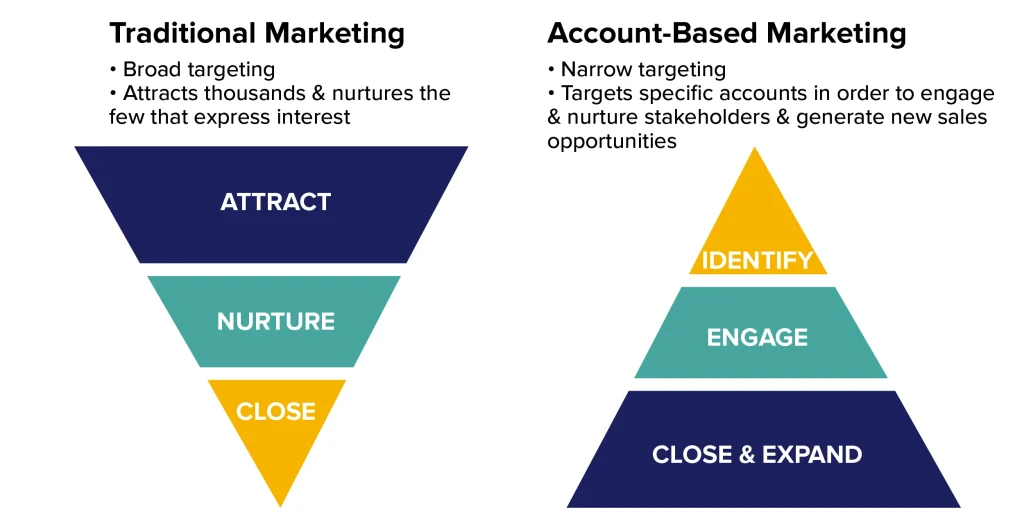
Account-Based Marketing (ABM) represents a strategic shift in how businesses approach lead generation and client acquisition. Instead of aiming to attract a wide audience, ABM concentrates on high-value accounts that align with your business objectives. By targeting specific companies or organizations, marketing efforts become more precise, leading to higher engagement and measurable results.
ABM thrives on collaboration. Sales and marketing teams work closely to craft campaigns tailored to the unique needs of targeted accounts. This approach emphasizes quality over quantity, encouraging meaningful relationships that drive revenue and long-term success.
Quick Takeaways
ABM connects marketing strategies to business goals by targeting high-value accounts.
Coordinated efforts between sales and marketing improve results.
Personalized campaigns foster meaningful relationships with decision-makers.
Strategic targeting leads to faster decision-making and stronger returns.
Why ABM Drives Measurable Results
Need to see positive changes in your business? Account-based marketing can help you in several ways, like:
Maximized Resources
Focusing on a smaller pool of high-value accounts allows businesses to allocate their resources more effectively. Time, money, and effort are concentrated where they matter most, reducing waste. Marketing efforts target those most likely to convert or engage, improving efficiency.
More Engagement
Personalized interactions resonate better with decision-makers. Tailored messages that address the unique challenges of a business create a sense of trust and relevance, enhancing engagement and strengthening relationships.
Improved ROI
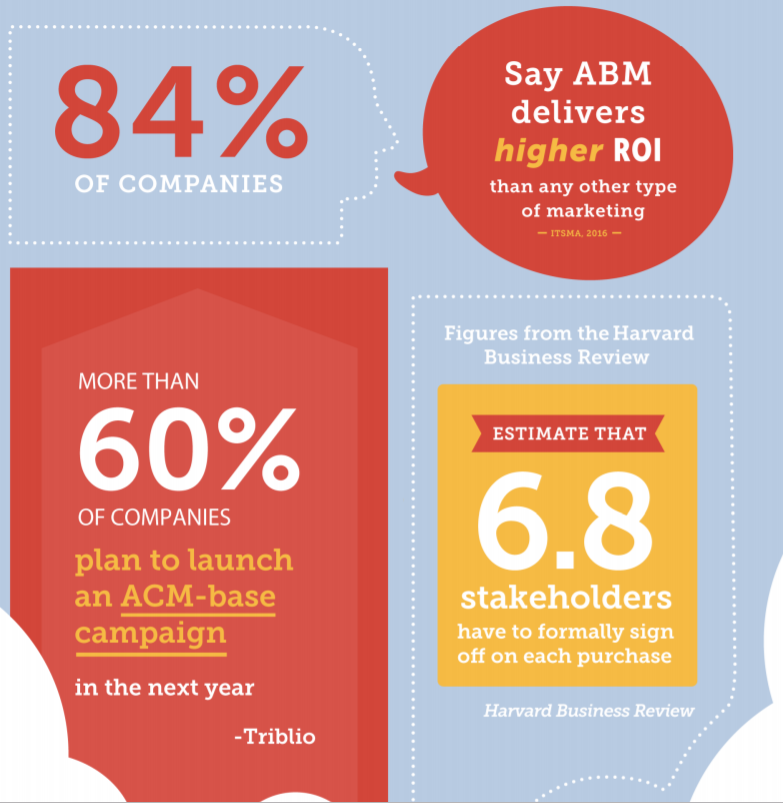
Campaigns designed for specific accounts often result in faster conversions and higher returns. Rather than expending resources on broad outreach, efforts are focused where they are likely to generate the best outcomes.
Building a Strong ABM Foundation
To build your ABM strategy, you have to start with a solid foundation. Begin by:
Identifying Target Accounts
Defining your target accounts is the first step in ABM. Data analysis helps identify businesses that align with your products or services. Criteria may include industry, company size, growth potential, or specific challenges you can address.
For example, a software company might target healthcare providers needing streamlined patient management systems. Careful selection ensures every account has the potential to deliver measurable results.
Setting Clear Objectives
Without clear goals, it becomes difficult to measure success. Objectives for ABM campaigns can include securing contracts with enterprise clients, expanding relationships with existing accounts, or increasing engagement with decision-makers. Specific benchmarks keep teams focused and on track.
Creating Tailored Campaigns
Generic messaging often fails to capture attention. ABM thrives on customization. To speak directly to the pain points and objectives of each account, craft:
Marketing materials
Emails
Advertisements
Businesses looking for solutions to complex challenges will appreciate targeted, thoughtful approaches.
Tools That Drive ABM Success
Tools are meant to support your marketing efforts, and there are plenty to use, like:
CRM Systems
Customer Relationship Management tools form the backbone of ABM strategies. CRMs organize client data, track interactions, and manage campaigns, providing a centralized hub for collaboration. Teams can analyze past engagements, monitor progress, and ensure consistency in messaging.
Marketing Automation
Automation platforms deliver scheduled content across multiple channels, keeping prospects engaged without constant manual effort. Automated email campaigns, targeted social ads, and remarketing initiatives streamline outreach efforts, improving consistency.
Analytics Platforms
Tracking performance is vital for ABM campaigns. Metrics such as engagement rates, conversion statistics, and account progress inform decisions and highlight areas for improvement. Analytics platforms provide the data needed to refine strategies.
Designing Campaigns for High-Value Accounts
Don’t know how to design campaigns for your high-value accounts? You can start by:
Establishing Unified Goals
ABM depends on alignment between sales and marketing teams. Unified goals ensure everyone works toward the same objectives, reducing conflicts and improving overall campaign execution. Collaborative planning sessions set expectations and build a foundation for success.
Crafting Personalized Content
Decision-makers value content that speaks directly to their needs. Researching an account’s goals and challenges allows marketers to create campaigns that resonate. Personalized emails, case studies, and industry-specific examples create stronger connections.
Implementing Multi-Channel Approaches
Reaching decision-makers often requires engagement across multiple platforms. Combining email outreach, social media campaigns, and digital advertisements amplifies visibility and increases the likelihood of interaction. Multi-channel approaches keep accounts engaged throughout the sales cycle.
The Benefits of ABM
There are incredible benefits to ABM, such as:
Streamlined Processes
Narrowing the focus to high-value accounts simplifies campaign planning. Resources are concentrated where they are most impactful, allowing teams to achieve better results with less effort.
Enhanced Customer Relationships
ABM emphasizes quality interactions. Personalized engagement builds trust, creating relationships that go beyond transactional exchanges. Decision-makers appreciate businesses that understand their goals and offer relevant solutions.
Faster Sales Cycles
Well-targeted campaigns deliver solutions aligned with decision-makers’ needs. Addressing pain points directly encourages quicker action, shortening the decision-making process and speeding up conversions.
Common Challenges with ABM
Every marketing strategy comes with its own set of potential issues. Some common challenges with ABM are:
Misaligned Teams
Collaboration between sales and marketing teams must be seamless. Without proper communication and shared objectives, campaigns risk losing effectiveness. Regular updates and meetings prevent misunderstandings.
Balancing Customization and Scalability
Personalizing content for multiple accounts can become overwhelming. Tools such as content management platforms and automated workflows help maintain quality without overburdening teams.
Measuring Performance
Defining and tracking metrics is essential. Success indicators include engagement rates, contract values, and account retention. Clear benchmarks allow teams to gauge progress and refine strategies.
A Look at ABM in Action
Suppose a software company targeting healthcare organizations implemented an ABM strategy to connect with high-value clients. The campaign involved:
Identifying hospitals with outdated systems needing streamlined solutions.
Crafting personalized email sequences addressing each organization’s specific challenges.
Running targeted LinkedIn ads highlighting case studies from similar clients.
Within six months, the company secured contracts with three major healthcare providers, demonstrating the power of focused efforts.
Best Practices for Long-Term Success
Short-term success is fine, but long-term benefits are far better. Best practices for supporting your future in ABM are:
Maintaining Relationships
ABM campaigns don’t end with conversion. Building lasting relationships ensures continued success. Regular check-ins, personalized updates, and exclusive offers keep accounts engaged.
Investing in Training
Sales and marketing teams need the skills to execute ABM campaigns effectively. Investing in training ensures teams understand best practices, tools, and strategies.
Continuous Improvement
Campaigns benefit from constant refinement. Evaluating results, gathering feedback, and adapting strategies create opportunities for growth. ABM thrives on innovation and responsiveness.
Grow Your Business with ABM Strategy Marketing
Account-Based Marketing connects businesses with the prospects that matter most. By focusing efforts on high-value accounts, ABM strengthens relationships, improves engagement, and drives measurable growth.
Want to learn how targeted campaigns can transform your approach to marketing? Become a member with ISBM. Take the next step toward building meaningful connections with the accounts that matter most – by getting help. We’re here for you as you improve your marketing efforts, whether related to ABM or any other strategy.