

Incorporating sustainability into product development has become a significant strategy for organizations aiming to create eco-friendly, market-leading sustainable product innovation. The Eco-Stage-Gate framework, a refined version of the traditional Stage-Gate model, exemplifies this shift by embedding environmental goals directly into the new product development (NPD) process.
With its structured stages and decision-making gates, Eco-Stage-Gate enables companies to address sustainability comprehensively from concept to market launch.
Quick Takeaways
Sustainability in Focus: The Eco-Stage-Gate process integrates sustainability into every stage of product development, fostering eco-friendly innovation.
Lifecycle Thinking: Comprehensive assessments ensure environmental impacts are minimized from concept to disposal.
Cross-Functional Collaboration: Teams unite diverse expertise to create products that balance market needs with ecological responsibility.
Market and Compliance Advantages: Sustainable practices enhance competitiveness and ensure alignment with evolving regulations.
What Is the Eco-Stage-Gate Process?
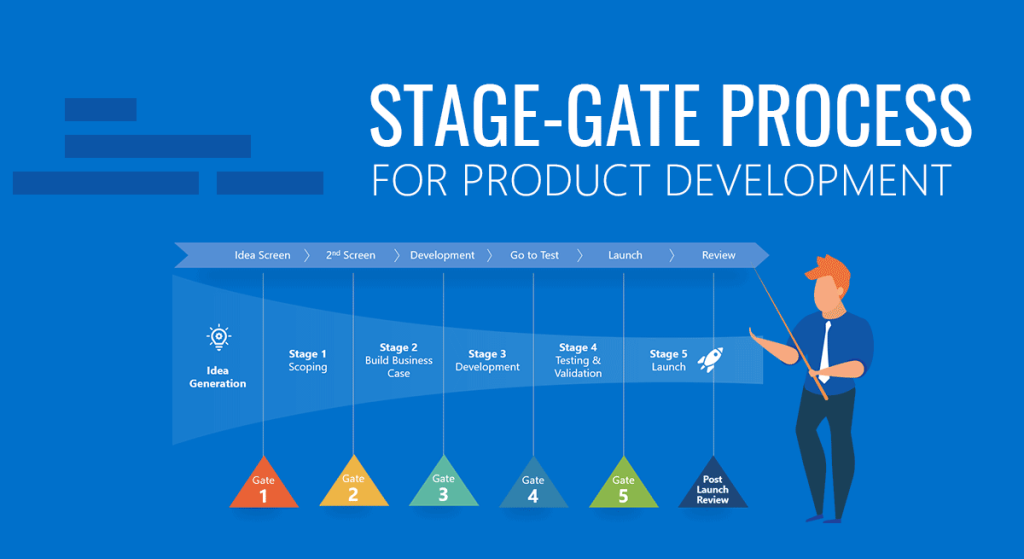
The Eco-Stage-Gate process is a structured methodology that merges sustainability principles with the traditional Stage-Gate process for product development as part of a broader sustainable innovation strategy. It introduces environmental considerations at each stage, from concept ideation to product launch, ensuring sustainability is not an afterthought but an integral component of the development cycle.
This method involves key checkpoints—or gates—where projects are evaluated against predefined sustainability criteria. These criteria may include energy efficiency, material selection, recyclability, and carbon footprint. By embedding these assessments into the decision-making process, businesses can mitigate environmental impacts while driving innovation.
Key Features of the Eco-Stage-Gate Process
There are several points worth noting in regard to the Eco-Stage-Gate process, including:
Lifecycle Assessment (LCA):
The Eco-Stage-Gate process incorporates lifecycle thinking, evaluating a product’s environmental impact from cradle to grave. LCA tools enable teams to identify opportunities for reducing energy use, emissions, and waste at every stage of the product lifecycle.
Sustainability Metrics:
Clear, measurable sustainability goals are established for each project. These metrics might include achieving specific reductions in carbon emissions, minimizing resource consumption, or ensuring product recyclability.
Cross-Functional Collaboration:
Teams comprising engineers, designers, marketers, and sustainability experts work together to ensure a product’s viability from both market and environmental perspectives. This collaboration fosters innovation and aligns diverse objectives.
Iterative Improvement:
Feedback loops at each gate allow for iterative refinements. Teams can address shortcomings in sustainability performance before advancing to the next stage, reducing risks and ensuring alignment with eco-objectives.
How Businesses Benefit from Eco-Stage-Gate
Implementing the Eco-Stage-Gate process delivers numerous advantages, including:
1. Enhanced Market Competitiveness
Sustainable products resonate with today’s consumers, who increasingly favor brands demonstrating environmental responsibility and effective green innovation marketing. Businesses adopting the Eco-Stage-Gate process can capitalize on this demand, gaining a competitive edge in the marketplace.
2. Regulatory Compliance
With stricter environmental regulations across industries, incorporating sustainability into product development helps ensure compliance. Companies can avoid potential fines and reputational risks by proactively addressing these requirements.
3. Cost Savings Through Efficiency
Eco-design principles often uncover opportunities for cost savings, such as reducing material usage, optimizing energy consumption, and minimizing waste to support sustainable manufacturing. Over time, these efficiencies contribute to improved profitability.
4. Stronger Stakeholder Engagement
Transparent commitment to sustainability builds trust with investors, employees, and consumers and supports a strong ESG strategy for business. Demonstrating responsible practices fosters long-term loyalty and strengthens brand reputation.
Real-World Applications of Eco-Stage-Gate
Here are a couple of examples of how to apply this in the real world:
Sustainable Packaging Innovation
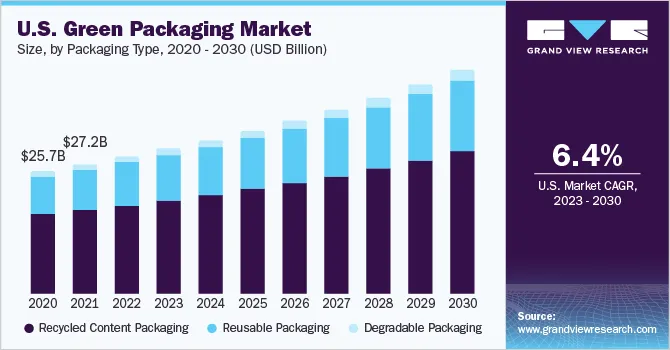
Let’s say a leading B2B consumer goods company recently adopted the Eco-Stage-Gate process to revamp its packaging solutions and strengthen product development in B2B. By incorporating lifecycle assessments, the company identified opportunities to reduce material use by 30% and shift to fully recyclable materials. Cross-functional teams collaborated to ensure the new packaging met sustainability goals without compromising durability or shelf appeal, reinforcing the importance of innovation in marketing. The result was a product line that reduced environmental impact and resonated with eco-conscious buyers.
Renewable Energy Integration
In the renewable energy sector, a manufacturer of solar panels used the Eco-Stage-Gate process to develop a next-generation product. Sustainability criteria at each gate prompted the team to explore innovative materials and production techniques, ultimately resulting in a solar panel with a 20% lower carbon footprint and enhanced efficiency.
Implementing Eco-Stage-Gate: Best Practices
How can you build sustainability successfully?
1. Set Clear Sustainability Goals
Defining measurable objectives from the outset ensures all stakeholders align on expectations and supports a strong sustainable product strategy. Examples include reducing carbon emissions by a specific percentage or achieving a designated recyclability rate.
2. Invest in Training and Tools
Equipping teams with knowledge and resources is critical for success and supports a broader digital transformation strategy. Training on lifecycle assessment tools, eco-design principles, and sustainability metrics fosters confidence and competence among team members.
3. Foster a Culture of Innovation
Encourage teams to think creatively and challenge traditional practices. Creating a culture where sustainability is seen as an opportunity, not a constraint, can drive groundbreaking solutions.
4. Engage Stakeholders Early
Involving key stakeholders—including suppliers, regulators, and customers—early in the process ensures buy-in and alignment. Their input can uncover valuable insights and prevent potential roadblocks.
Common Challenges and How to Overcome Them
Everything comes with its own set of challenges, sustainability in product innovation included, but luckily, there are also solutions to them, like:
Balancing Cost and Sustainability
While sustainable solutions may initially seem costlier, lifecycle cost analyses often reveal long-term savings. Communicating these benefits to stakeholders can help justify investments.
Ensuring Cross-Functional Collaboration
Silos can hinder progress. Regular meetings, clear communication, and shared accountability foster collaboration across departments.
Measuring Impact Accurately
Selecting appropriate metrics and tools for lifecycle assessments can be daunting. Partnering with experts or adopting established frameworks like ISO standards can streamline this process.
Why Sustainable Product Innovation Matters
The Eco-Stage-Gate process represents a paradigm shift in product development, blending environmental stewardship with innovation. As sustainability continues to shape consumer preferences and regulatory landscapes, businesses adopting this framework are better positioned to thrive. Companies leveraging this process can deliver products that not only meet but exceed expectations, building trust and loyalty among stakeholders.
Sustainable Product Innovation Is Crucial
ISBM champions the integration of sustainability into product development through the Eco-Stage-Gate process. By emphasizing life cycle thinking, measurable goals, and collaborative innovation, ISBM equips businesses with the tools needed to meet modern challenges. This approach not only drives environmental responsibility but also positions companies for long-term market success, making sustainability a cornerstone of innovation.
ISBM is a nonprofit, global network of business researchers and practitioners. Ask about how an ISBM Membership can help you now or explore the sustainability curriculum to learn more!