

Artificial intelligence already influences many of the decisions B2B marketers make each day. From forecasting demand to prioritizing accounts and evaluating campaign performance, AI-driven models increasingly shape how insight is produced and interpreted. As these systems become embedded in core workflows, the question is no longer whether marketing teams use AI. The question is whether they understand it well enough to make sound decisions with it.
AI literacy has emerged as a defining capability for modern B2B organizations. Yet literacy in this context does not mean technical mastery or the ability to build models from scratch. It refers to the practical knowledge required to evaluate AI outputs, recognize limitations, and integrate algorithmic insight with human judgment. For marketing leaders, developing this competency is now essential to effective decision-making.
Quick Takeaways
- AI literacy in B2B marketing centers on interpretation and judgment, not technical expertise
- Decision quality depends on understanding data inputs, model assumptions, and limitations
- Cross-functional collaboration strengthens AI-informed decision-making
- Governance and accountability are core best practices for AI literacy
- Organizations that invest in literacy reduce risk and improve strategic confidence
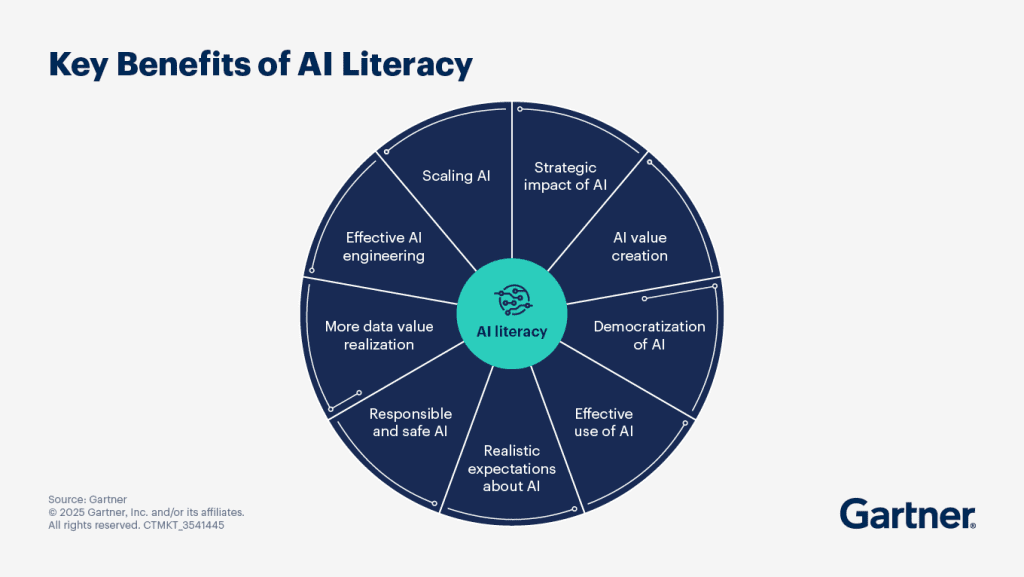
Why AI Literacy Matters in Marketing Decisions
Marketing decisions increasingly rely on outputs generated by advanced analytics and machine learning models. These outputs often appear objective, precise, and authoritative. Without sufficient AI literacy, teams may accept recommendations at face value, even when the underlying data or assumptions are flawed.
AI literacy helps decision-makers ask better questions. Where did the data come from? What variables influence this recommendation? Under what conditions might the model fail? In B2B environments, where decisions affect long sales cycles and complex buyer relationships, unexamined AI output can introduce risk rather than reduce it.
Common Decision Risks Without AI Literacy
When teams lack AI literacy, decision-making challenges tend to surface in predictable ways:
- Over-reliance on AI recommendations without sufficient context
- Misinterpretation of confidence scores or predictive outputs
- Limited ability to identify biased or incomplete data inputs
- Delayed response when model performance changes over time
These issues are not technical failures. They are judgment failures rooted in how AI-generated insight is interpreted and applied.
Shifting From Tool Awareness to Decision Awareness
Many organizations approach AI literacy as a training problem focused on tools. While platform familiarity has value, this approach often misses the larger issue. Decisions are not made by tools alone. They are made by people interpreting AI-generated insight within a broader business context.
Best practices for AI literacy therefore emphasize decision awareness. Marketers need to understand how AI recommendations intersect with strategy, market conditions, and organizational priorities. A predictive score or optimization suggestion only becomes valuable when teams can place it within a coherent decision framework.
Tool Familiarity vs. Decision Literacy
Understanding how to operate AI-powered platforms does not automatically translate into better decisions.
- Tool awareness emphasizes features, dashboards, and outputs
- Decision literacy emphasizes interpretation, trade-offs, and consequences
Organizations that focus on decision literacy help marketing teams use AI-generated insight as an input to judgment rather than treating outputs as directives.
Understanding Data Foundations and Model Constraints
AI-driven decisions are only as reliable as the data and assumptions behind them. One core component of AI literacy is recognizing how data quality, scope, and bias influence outcomes. B2B marketing data often reflects incomplete buying journeys, long attribution windows, and uneven engagement signals. Models trained on this data may produce insights that appear precise while masking underlying uncertainty.
Marketers with strong AI literacy do not treat models as neutral arbiters. They understand that every model reflects design choices, historical patterns, and simplifications. This awareness enables teams to interpret outputs critically and adjust decisions accordingly.
What AI-Literate Marketers Evaluate
Before acting on AI-driven recommendations, AI-literate teams assess:
- Data completeness and relevance to the decision being made
- Assumptions embedded in model design
- Time sensitivity of inputs and outputs
- Known conditions under which model accuracy declines
This evaluation does not slow decision-making. It strengthens confidence in the decisions being made.
Embedding Human Judgment Into AI-Driven Decisions
Effective decision-making combines analytical rigor with contextual understanding. AI literacy supports this balance by clarifying where automation adds value and where it does not. In B2B marketing, decisions often involve qualitative factors such as relationship dynamics, competitive nuance, and organizational constraints.
Best practices for AI literacy encourage marketers to treat AI as an input, not an authority. Teams that rely exclusively on algorithmic recommendations risk losing strategic coherence. Teams that ignore AI altogether miss opportunities for insight. The goal is informed collaboration between human expertise and machine-generated analysis.
Cross-Functional Collaboration as a Literacy Multiplier
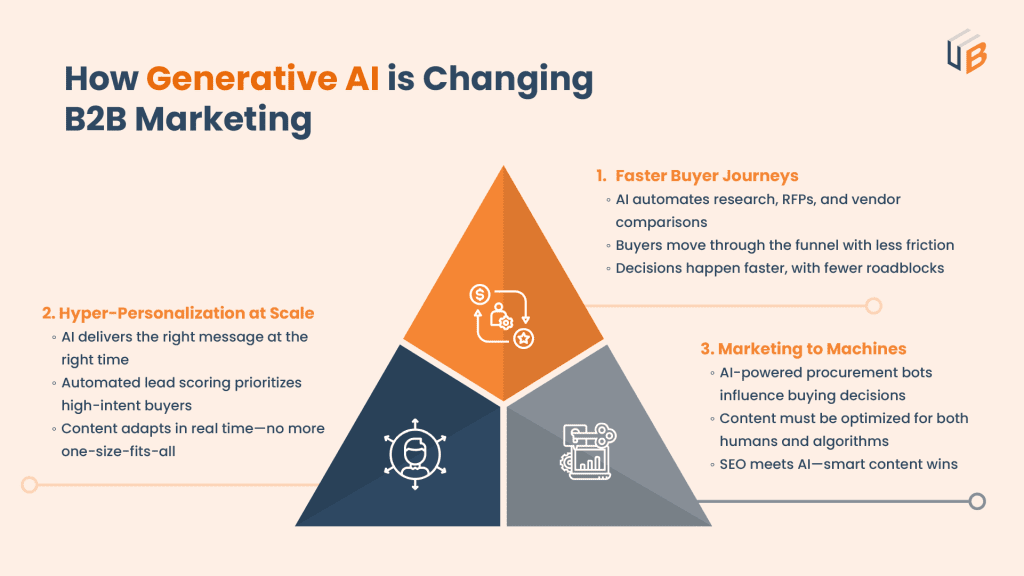
AI-driven decision-making rarely belongs to marketing alone. Data teams, sales leaders, finance stakeholders, and executives all influence how insights are generated and applied. AI literacy improves when these groups share a common understanding of analytical outputs and decision implications.
Cross-functional collaboration helps marketing teams interpret AI recommendations within broader organizational objectives. It also creates feedback loops that improve model relevance over time. When decision-makers understand both the strengths and limitations of AI-driven insight, alignment improves and execution becomes more consistent.
Governance, Accountability, and Responsible Use
As AI becomes embedded in decision-making, governance becomes a foundational element of AI literacy. Marketers need clarity on who owns AI-informed decisions and how accountability is maintained. Without governance, organizations risk deferring responsibility to systems rather than people.
Governance Practices That Support Better Decisions
Organizations that follow best practices for AI literacy typically formalize:
- Clear ownership of decisions informed by AI-generated insight
- Guidelines for when human judgment overrides model output
- Escalation paths for questionable or high-impact recommendations
These practices reinforce accountability while allowing AI-driven insights to support decisions at scale.
Strengthen AI-Informed Decision-Making Today with ISBM
AI literacy has become a defining factor in how effectively B2B organizations make decisions. As advanced analytics and AI-driven decision models shape more aspects of marketing strategy, the ability to interpret, question, and apply insight responsibly separates confident decision-makers from reactive ones.
Explore ISBM research and executive education programs to better understand how advanced analytics and AI-driven decision models shape effective B2B strategy. Become a member today!