

B2B campaigns face increasing pressure to perform with precision. Buyers expect relevance, consistency, and value at every interaction. At the same time, marketing teams must operate within tighter budgets, longer sales cycles, and more complex buying groups. These constraints have pushed many organizations to rethink how campaigns are planned, executed, and measured.
Artificial intelligence has become a practical tool in this shift. Rather than replacing strategic decision-making, AI supports campaign teams by improving targeting accuracy, content alignment, timing, and performance analysis. When applied with discipline, AI strengthens campaign execution and contributes to more consistent results across channels and programs.
This article examines real-world examples of successful B2B AI campaigns, focusing on how organizations use AI to improve outcomes while maintaining strategic control.
Quick Takeaways
- AI improves campaign precision through stronger targeting, personalization, and timing.
- Successful B2B AI campaigns use technology to support strategy, not replace it.
- Data quality and governance determine the effectiveness of AI-enhanced campaigns.
- Measurable gains often appear in engagement, pipeline velocity, and conversion consistency.
Why AI Matters in B2B Campaign Execution
B2B campaigns differ from consumer marketing in both structure and intent. They involve multiple stakeholders, extended evaluation cycles, and higher perceived risk. Campaign success depends on relevance across roles, industries, and stages of the buying process.
AI helps address these challenges by analyzing large volumes of data and identifying patterns that manual methods cannot surface efficiently. In campaign execution, this capability translates into more accurate audience segmentation, improved message alignment, and faster performance feedback.
Organizations that demonstrate consistent success with AI-enhanced B2B campaigns tend to apply AI selectively. Rather than automating every function, they focus on areas where data-driven insight directly improves campaign effectiveness.
Success Story 1: Improving Account-Based Campaign Precision
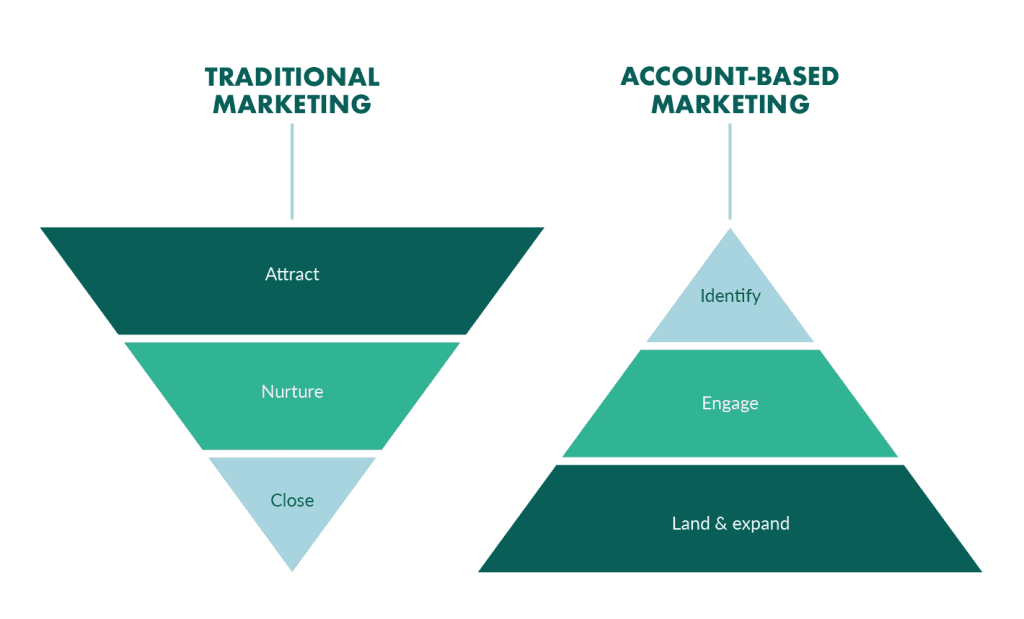
A global enterprise software provider struggled with inconsistent results across its account-based marketing programs. Campaign teams relied on static account lists and broad persona definitions, which led to uneven engagement across target accounts.
The organization introduced AI-driven account scoring based on firmographic data, historical engagement patterns, and intent signals. The system continuously updated account prioritization as buyer behavior changed, rather than relying on periodic manual reviews.
Campaign teams used these insights to tailor messaging sequences and outreach timing. Engagement increased across priority accounts, and sales teams reported higher-quality conversations earlier in the buying process. In this case, AI-supported campaign execution improved focus and consistency, contributing directly to stronger B2B campaign performance.
Success Story 2: Personalizing Content at Scale
A mid-market professional services firm faced declining engagement due to generic content delivery. Although the organization produced strong thought leadership, it struggled to align content with buyer needs across industries and roles.
AI-based content recommendation tools analyzed engagement behavior, content consumption patterns, and stage-specific signals. Campaign workflows used these insights to guide buyers through personalized content paths rather than single-asset promotions.
The result was higher content engagement and increased time spent with campaign materials. Prospects progressed through nurture programs with fewer drop-offs, and sales teams reported more informed buyers entering conversations. This example highlights how AI-driven success in B2B campaigns often comes from improving content relevance rather than increasing content volume.
Success Story 3: Optimizing Campaign Timing and Channels
A manufacturing technology company struggled to coordinate campaign timing across regions and channels. Email performance varied widely, and paid media results fluctuated without clear explanations. Manual testing cycles failed to keep pace with changing buyer behavior.
The organization deployed AI tools to analyze engagement data across channels, regions, and buyer segments. The system identified optimal send times, channel preferences, and frequency thresholds for different audiences.
Campaign managers retained strategic oversight while using AI-generated recommendations to guide execution. Within two quarters, open rates stabilized, paid media efficiency improved, and campaign fatigue decreased. This case demonstrates how AI enhances B2B campaign success by supporting better tactical decisions without removing human control.
Success Story 4: Enhancing Campaign Measurement and Attribution
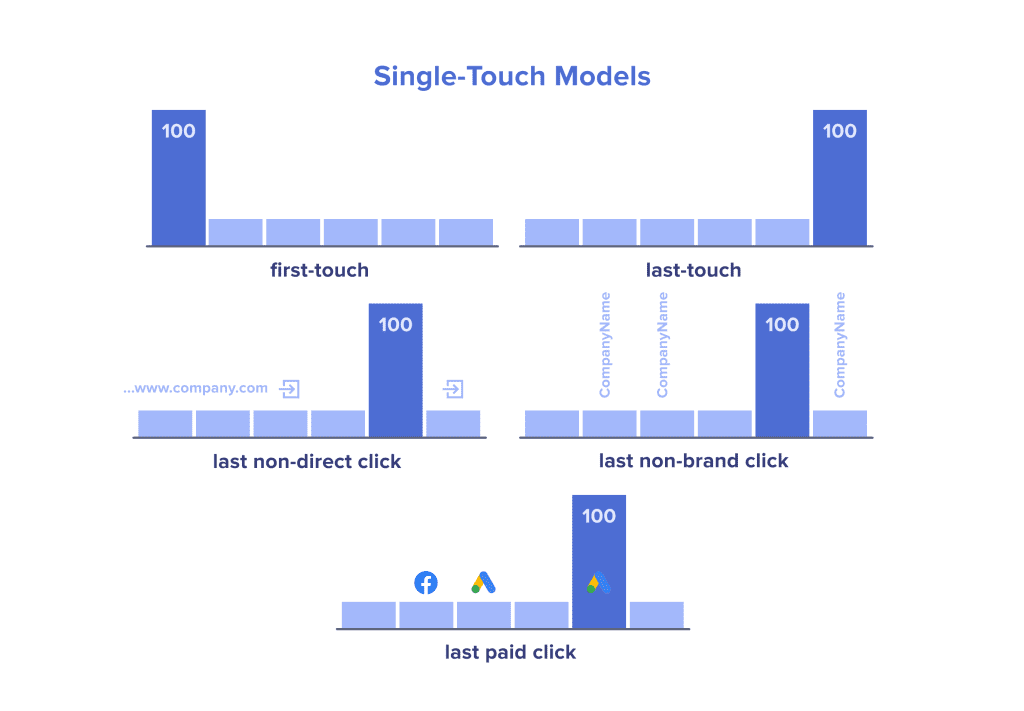
Many B2B organizations struggle to connect campaign activity to pipeline impact. Traditional attribution models often oversimplify complex buying journeys, limiting their usefulness for strategic decision-making.
A B2B financial services provider addressed this issue by implementing AI-based attribution modeling. The system evaluated multi-touch interactions across digital and offline channels, weighting influence based on historical outcomes rather than fixed rules.
Marketing leaders gained clearer insight into which campaign elements influenced opportunity progression. Budget allocation decisions improved, underperforming tactics were identified earlier, and overall return on campaign investment increased. In this case, AI-supported measurement played a central role in driving campaign success in a B2B context.
Common Patterns Across Successful AI-Enhanced Campaigns
Across these examples, several consistent patterns emerge. Organizations treat AI as a decision-support tool rather than an autonomous system. Strategic ownership remains with marketing leaders and campaign teams.
Data readiness also plays a critical role. Successful B2B AI campaigns rely on clean, integrated data sources and clear governance practices. Without these foundations, AI tools struggle to deliver reliable insights.
Finally, effective adoption focuses on solving specific campaign challenges. Targeted use cases produce faster results and help organizations build confidence in AI-driven approaches.
Risks and Limitations to Address
AI-enhanced campaigns introduce risks when applied without structure. Over-automation can reduce relevance if models rely on incomplete or biased data. Lack of transparency can also undermine trust among stakeholders who need to understand how campaign decisions are made.
Clear governance frameworks help mitigate these risks. Defined ownership, measurable objectives, and regular performance reviews ensure that AI strengthens campaign execution rather than distorting it.
Organizations that balance innovation with oversight tend to sustain improvements in B2B campaign performance over time.
Advance Your Campaign Strategy Today with ISBM
Today with ISBM, the emphasis remains on practical, research-informed approaches to B2B marketing. Examples of successful B2B AI campaigns show how technology strengthens execution when aligned with sound strategy, strong data practices, and buyer understanding. These cases demonstrate that AI improves outcomes by sharpening focus, increasing relevance, and enabling better measurement.
As B2B marketing continues to evolve, AI will remain an important component of campaign execution. Its long-term impact depends on how effectively organizations integrate it into established planning, governance, and decision-making processes.
Explore ISBM research and resources to deepen your understanding of AI-enhanced campaign strategy and evidence-based B2B marketing practices. Become a member today!