

When it comes to B2B sales, success hinges on more than just persuasive pitches and strong relationships. At the heart of every high-performing sales team lies a deep understanding and strategic use of B2B sales KPIs (Key Performance Indicators).
These KPIs transcend mere numbers or data points. They serve as critical navigational tools, enabling sales teams to adeptly maneuver through the complexities of the B2B landscape.
But what exactly are B2B sales KPIs? Simply put, they are measurable values that give a clear picture of how effectively a sales team is achieving key business objectives. In a space where every interaction and transaction counts, these KPIs offer a window into the health and potential of your sales efforts. They enable sales leaders and teams to track progress, identify areas needing improvement, and make data-driven decisions.
In essence, B2B sales KPIs are not just about measuring outcomes; they are about creating a roadmap for sustainable growth and success in the competitive world of B2B sales. In this article, we explore the essential KPIs that every B2B sales team should track to ensure they are on the path to achieving their business goals.
1. Sales Eligible Lead Delivery
The Sales Eligible Lead Delivery KPI is essential in pinpointing leads that truly align with your business goals. It tallies leads that meet specific criteria collaboratively set by marketing and sales teams, focusing on aspects like:
- Lead source
- Industry
- Company size
- Alignment with your offerings
This KPI is crucial because it emphasizes quality over quantity, ensuring your team invests time in leads with a higher likelihood of conversion. It is a strategic tool in lead generation, equipping the sales team with high-quality leads that have a real potential to progress through the sales funnel, thereby enhancing the overall efficiency and effectiveness of the sales process.
2. First Response Time
The First Response Time KPI is a critical measure of a team’s agility and customer engagement. It calculates the duration between a lead’s initial inquiry and your team’s response.
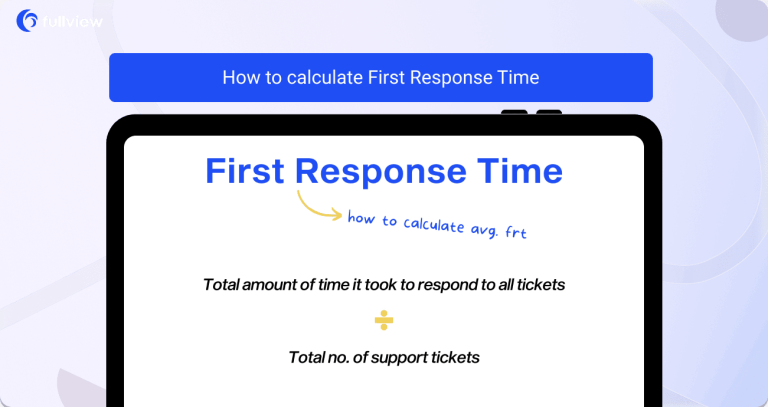
This metric is particularly important in today’s digital-first environment, where prompt responses are often the norm. A swift first response not only demonstrates your team’s attentiveness and readiness to meet customer needs, but also sets a positive tone for the entire sales relationship.
Moreover, being quick to respond can serve as a significant competitive advantage, particularly in sectors where speed is highly valued. Regularly monitoring and optimizing this KPI is key to enhancing customer engagement, improving the overall customer experience, and increasing the likelihood of successful conversions.
3. Number of Accounts Contacted
The Number of Accounts Contacted KPI is a straightforward yet vital metric, especially for teams focusing on outbound sales strategies. It records the total number of unique companies or accounts that the sales team has approached over a given period.
This KPI provides valuable insights into the extent and reach of your sales team’s efforts, helping to determine if the team is engaging with a sufficiently large and diverse pool of prospects to meet sales objectives.
By closely monitoring this KPI, sales leaders can ensure that their team’s outreach strategies are effectively aligned with the company’s broader sales goals, thereby driving business growth and expanding market reach.
4. Number of Accounts Engaged
The Number of Accounts Engaged, also known as Engagement Rate, goes a step beyond just contacting potential clients. It measures how many of these contacts have actively engaged with your team.
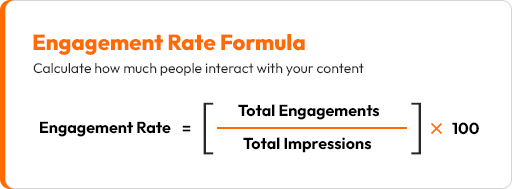
This engagement could be in the form of:
- Responses to outreach efforts
- Discussions
- Expressions of interest
This metric is crucial because it indicates not just the reach of your sales efforts, but also their effectiveness in initiating meaningful conversations. High engagement numbers suggest that your team’s approach resonates well with the target audience.
This KPI is invaluable for fine-tuning sales strategies to enhance engagement rates and build more productive relationships with potential clients.
5. Stage One Opportunity Creation
Stage One Opportunity Creation is a pivotal KPI in the sales process. It tracks the conversion of initial contacts or leads into qualified sales opportunities.
This stage is where potential leads are assessed and determined to be a good fit for further pursuit. This KPI is a testament to the effectiveness of the initial stages of the sales cycle, reflecting the quality of lead sourcing and initial engagement strategies.
A high rate of conversion at this stage indicates a well-targeted approach and effective initial communication, setting up successful sales outcomes. It’s a critical metric for understanding how well the sales funnel is being filled with viable opportunities.
6. Stage Two Opportunity Creation
Following Stage One, the Stage Two Opportunity Creation KPI measures the conversion of these initial opportunities into more advanced, qualified prospects. This stage often involves deeper interactions, such as:
- Detailed discussions
- Presentations
- Demonstrations
This KPI is a measure of the sales team’s ability to effectively nurture and advance opportunities through the sales pipeline. A strong performance in this metric indicates that the team is not only good at identifying potential leads, but also excels in developing these opportunities to a stage where they are closer to a sale.
It’s an essential indicator of the overall health and potential of the sales pipeline, highlighting the team’s proficiency in moving prospects towards a purchasing decision.
7. Average Revenue Per Account (ARPA)
The Average Revenue Per Account (ARPA) KPI is a vital financial metric in B2B sales, offering a clear picture of the revenue generated per customer. This metric is particularly important for understanding the value each client brings to your business.
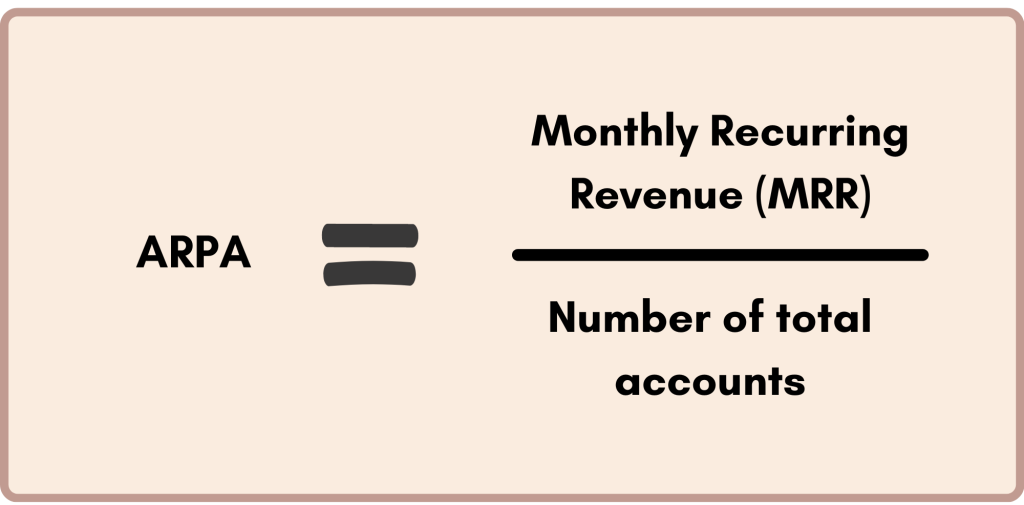
A higher ARPA indicates that your sales strategies are effectively targeting and securing more lucrative deals or that your existing clients are upgrading to more premium products or services. Monitoring ARPA helps in assessing the overall financial health of your sales efforts and can guide strategies for upselling or targeting higher-value accounts.
8. New Logos Acquired
The New Logos Acquired KPI tracks the number of new clients or accounts that your sales team has successfully closed. This metric is crucial for businesses focusing on growth and market expansion.
It reflects the effectiveness of your sales and marketing strategies in attracting and securing new business. A steady increase in new logos signifies successful market penetration and brand expansion.
This KPI is also a strong indicator of the vitality and forward momentum of your sales team, highlighting their ability to continually bring in fresh business and expand the client base.
9. New Business Win Rate
The New Business Win Rate KPI measures the efficiency and effectiveness of your sales team in converting qualified leads into actual sales. It’s calculated by dividing the number of successful sales by the total number of opportunities pursued.

This metric is essential for evaluating the performance of your sales strategies and the proficiency of your sales team. A high win rate indicates a strong alignment between:
- Your product offerings and market needs
- Effective sales tactics
- A skilled sales team
It’s a critical measure for understanding the return on investment for your sales efforts and for identifying areas where improvements can be made to enhance sales performance.
10. Expansion Dollars
The Expansion Dollars KPI focuses on the additional revenue generated from existing customers. This metric is crucial for understanding how well your business is doing in terms of growing its relationships with current customers. It includes revenue from upsells, cross-sells, and upgrades, reflecting the success of efforts to deepen and expand customer engagements.
A high value in this KPI indicates effective account management and customer satisfaction, as it shows that customers are willing to invest more in your products or services. Tracking Expansion Dollars helps in strategizing customer retention and loyalty programs, ensuring that your business not only maintains its current customer base, but also grows its revenue through these existing relationships.
11. Net New Revenue Attainment
Net New Revenue Attainment is a comprehensive KPI that combines new business revenue with the expansion revenue from existing customers, adjusted for any customer churn or contraction. It provides a holistic view of the total revenue growth driven by both new and existing customer engagements.
This KPI is essential for assessing the overall effectiveness of your sales and customer relationship strategies. A strong performance in Net New Revenue Attainment indicates a healthy balance between acquiring new customers and growing existing accounts, a key factor for sustainable business growth.
It helps businesses understand their growth trajectory and evaluate the success of their sales and customer management efforts in contributing to the company’s revenue goals
Maximize Success with Key B2B Sales KPIs Today
Mastering B2B sales KPIs is essential for any business looking to thrive in today’s competitive market. From Sales Eligible Lead Delivery to Net New Revenue Attainment, each KPI offers unique insights into different facets of the sales process. They enable sales teams to track and measure their performance, refine strategies, and ultimately drive growth.
By focusing on these key metrics, businesses can ensure they are not only meeting their sales targets but also building strong, lasting relationships with their clients. Understanding and effectively utilizing these B2B sales KPIs is not just about tracking numbers; it’s about fostering a data-driven culture that propels your business towards sustained success and profitability.
ISBM is a nonprofit, global network of business researchers and practitioners. Ask about how an ISBM Membership can help you now or visit ISBM today to learn more!