

In B2B marketing, driving B2B customer engagement is essential for building relationships and fostering loyalty.Businesses must deliver targeted, meaningful experiences to connect with their audience through effective relationship marketing. Effective engagement strategies not only attract prospects but also keep existing buyers invested as part of a strong B2B customer engagement strategy.
Quick Takeaways
Engaging customers in B2B markets requires a personalized and data-driven approach.
Trust and authenticity are non-negotiable for building long-term relationships.
Interactive and educational content consistently draws attention and participation.
Omni-channel strategies allow businesses to meet their audience where they are most active.
1. Build Personal Connections
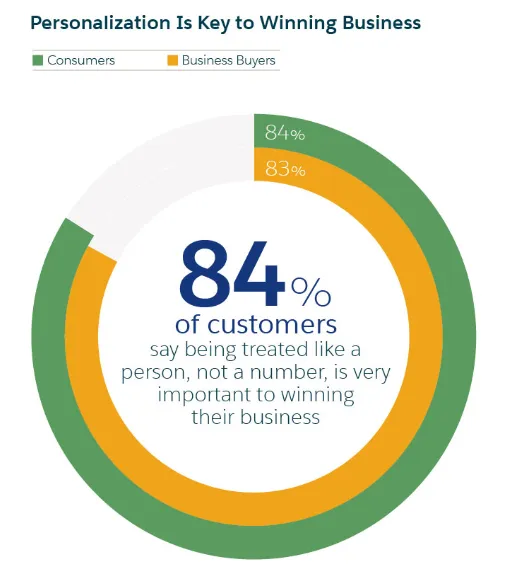
B2B decision-makers respond best to personalized communication, making personalization in B2B essential for effective engagement. Companies should rely on data and insights to tailor their outreach, offering solutions specific to a customer’s challenges. A personalized approach humanizes interactions and strengthens relationships, making buyers more receptive to ongoing communication.
2. Invest in Interactive Content
Static content can only go so far. Interactive formats such as webinars, live Q&A sessions, and online tools give audiences the chance to engage in real-time. Tools like ROI calculators or industry benchmarks can make your website an engaging resource rather than a one-stop visit.
Interactive experiences provide immediate value while showcasing a company’s expertise. They also keep prospects on a website longer, increasing the likelihood of further engagement.
3. Focus on Authenticity
Trust is earned through honest, transparent communication. Audiences look for businesses that align with their own values and display ethical practices. Avoid over-promising and maintain consistency between messaging and service delivery. Highlight genuine customer testimonials, case studies, and partnerships to reinforce credibility.
4. Leverage Data-Driven Campaigns
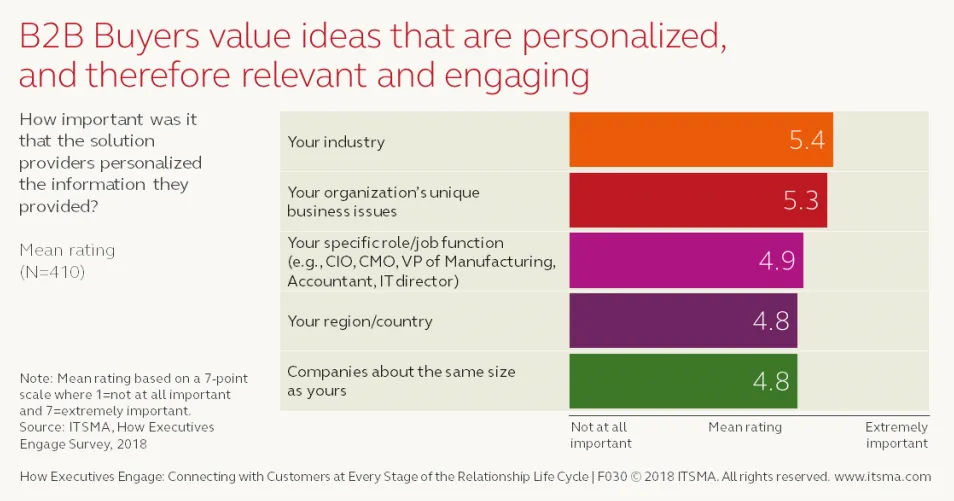
Modern tools allow businesses to analyze user behavior, segment audiences, and identify opportunities for engagement using key engagement metrics in B2B. Automated email workflows or retargeting campaigns powered by predictive analytics can personalize messaging across touchpoints.
Data-driven strategies also help refine content so that it addresses current concerns in an audience’s industry. This relevance makes every interaction more impactful.
5. Offer Educational Resources
B2B audiences rely on educational content to guide their decisions. Whitepapers, eBooks, and in-depth guides provide actionable information while positioning your business as an authority. Focus on addressing challenges, clarifying trends, or exploring regulations that impact their operations.
Educational resources work well when paired with follow-up strategies, such as sending related articles or inviting prospects to a deeper discussion.
6. Optimize for Omnichannel Engagement
Audiences consume information through multiple platforms, including social media, email, and websites. Align messaging across these channels to create cohesive experiences. Each interaction should seamlessly flow into the next, guiding prospects through the decision-making process and improving the overall customer experience in B2B.
Consistency in voice and branding encourages trust and improves recall. Engaging across various platforms ensures you stay visible wherever prospects are active.
7. Prioritize Community Engagement
Building a community around your brand generates loyalty and supports strong customer relationships. Whether through online forums, user groups, or industry networks, fostering a sense of belonging encourages customers to remain involved. Active communities allow businesses to interact directly with customers while facilitating peer-to-peer discussions.
Participation in industry events or sponsorships also positions businesses as active members of their field, opening doors to new opportunities.
8. Gamify the Experience
Gamification introduces an element of fun to otherwise transactional interactions. Incorporating quizzes, reward programs, or challenges into your marketing strategy can capture interest while subtly educating participants.
When designed effectively, gamification leads to higher levels of participation and repeat engagement, especially when paired with incentives.
9. Use Video to Tell Stories
Video content is one of the most engaging formats available. Demonstrations, behind-the-scenes looks, or customer success stories presented through video captivate audiences. Videos are easy to consume and share, extending your message further.
Creating concise, visually appealing videos tailored to specific stages of the customer journey ensures relevance and impact.
10. Align Sales and Marketing Teams
Internal collaboration is often overlooked in engagement strategies. Sales and marketing teams working in sync provide a unified customer experience. They can share data, insights, and feedback to better serve customer needs.
When teams align, the handoff between marketing and sales becomes seamless, leaving prospects with a sense of cohesion and competence.
Encourage Customer Feedback
We aren’t done! Here’s a little bonus:
One of the most effective ways to foster engagement is by actively seeking customer feedback. Surveys, polls, and feedback forms allow businesses to gauge customer satisfaction while uncovering areas for improvement. Responding to feedback—whether positive or negative—demonstrates attentiveness and a commitment to serving customer needs. Incorporating buyers suggestions into products or services strengthens relationships and gives customers a sense of ownership in the partnership.
Additionally, showcasing how customer input has influenced your offerings builds trust and sets your business apart. Transparent communication about adjustments made based on feedback shows a willingness to evolve with your audience’s needs, ensuring buyers feel valued and understood.
Nurture Relationships Post-Purchase
Also, remember that the customer journey doesn’t end with a sale -this is where customer lifecycle marketing becomes essential. Keeping customers engaged after the purchase is critical to driving retention and repeat business. Follow-ups, exclusive content, and personalized outreach help maintain the relationship long-term. These interactions can include updates about how to maximize the use of your solutions or offering access to exclusive webinars tailored to their industry.
Continuing to add value post-purchase not only retains customers but also turns them into advocates for your brand. Referrals and word-of-mouth endorsements are invaluable in the B2B space, and satisfied customers are more likely to share their positive experiences. Engaging with existing customers keeps your business top of mind and positions you as a trusted partner in their ongoing success.
The Power of Intentional B2B Customer Engagement
B2B marketing thrives on intentional B2B customer engagement strategies that prioritize customer experience. By focusing on personalization, education, and authentic interaction, businesses can establish lasting connections with their audience.
Driving customer engagement in today’s B2B landscape requires consistent effort, modern tools, and effective customer engagement tactics, along with a commitment to understanding what your audience values most. When executed effectively, these strategies build trust and drive the results you want (and need).
ISBM is a nonprofit, global network of business researchers and practitioners. Ask about how an ISBM Membership can help you now or explore the ISBM membership benefits to learn more!