

Customer-centric marketing, an approach that places the customer at the heart of every decision and strategy, is a philosophy that aligns closely with the ancient principles of Taoism. Tao, meaning ‘the way’, emphasizes harmony, balance, and following a natural order, principles that can profoundly influence modern marketing strategies.
This article explores how integrating the wisdom of Tao with customer-centric marketing can create a more dynamic, responsive, and ultimately successful business environment. By understanding and applying these timeless principles, businesses can develop deeper connections with their customers, leading to enhanced loyalty and growth.
Quick Takeaways
- Customer-centric marketing prioritizes deep understanding and empathy towards customers to enhance their overall experiences.
- This approach anticipates needs using predictive analytics and personalization, significantly increasing customer loyalty.
- Effective customer-centric marketing aligns with all business strategies and leverages CRM systems and AI for better personalization and responsiveness.
- Overcoming internal resistance and technological misalignments are crucial for implementing customer-focused strategies, requiring strong leadership and adaptability.
Principles of Customer-Centric Marketing
At the core of customer-centric marketing lies the understanding and anticipation of customer needs and preferences.
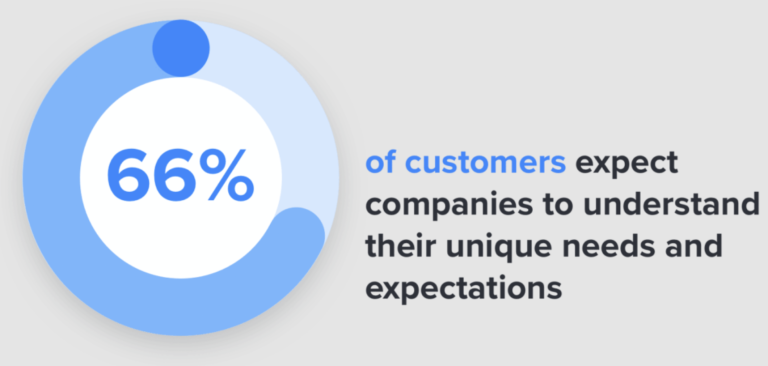
The principle is straightforward, yet profound: Companies that align their marketing strategies with the expectations and needs of their customers tend to excel and sustain long-term relationships. A significant 66% of customers expect companies to understand their needs, underscoring the importance of this approach.
Empathy and Understanding
To practice empathy in marketing means to genuinely understand and address the pain points and aspirations of your customers. It involves a deep dive into customer data and feedback to craft strategies that not only solve problems, but also enhance the customer’s overall experience.
This method goes beyond selling a product or service; it’s about creating a connection that resonates on a personal level with the customer. Recent trends show that leveraging technologies like AI in customer interactions can foster this connection, with 70% of consumers recognizing AI as a modern and essential component of customer service.
Proactive Engagement
Proactive engagement involves not just responding to customer needs, but anticipating them. This means employing predictive analytics and other tools to foresee customer requirements before they become apparent.
Effective engagement strategies are characterized by their ability to offer solutions, often personalized, that align perfectly with what the customer desires at that moment. Moreover, with customer retention being crucial, loyalty programs are significantly impactful; about 79% of customers are more likely to continue doing business with a company because of effective loyalty programs.
Implementing the Strategy
Successfully integrating customer-centric marketing into your business strategy involves more than just understanding the principles—it’s about actionable steps that weave these principles into every facet of your marketing efforts.
Here is how to effectively implement a customer-centric strategy in your organization:
Integration with Business Strategies
Customer-centricity should not exist in a silo; it must be intertwined with all business strategies to ensure comprehensive implementation.
Start by auditing existing marketing strategies and customer touchpoints to identify areas for improvement. Integrate customer feedback mechanisms across all channels to ensure that your business is constantly receiving and acting on feedback.
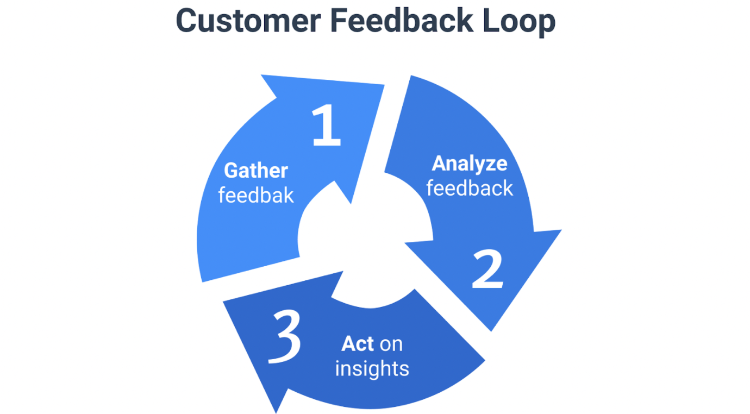
For instance, embedding customer-centric goals into the performance metrics of all teams can align efforts and reinforce the importance of customer focus across the organization.
Tools and Technologies
Leveraging the right tools is crucial for effective customer-centric marketing. Customer Relationship Management (CRM) systems are invaluable for maintaining detailed customer profiles and tracking interactions, ensuring that marketing efforts are tailored and responsive.
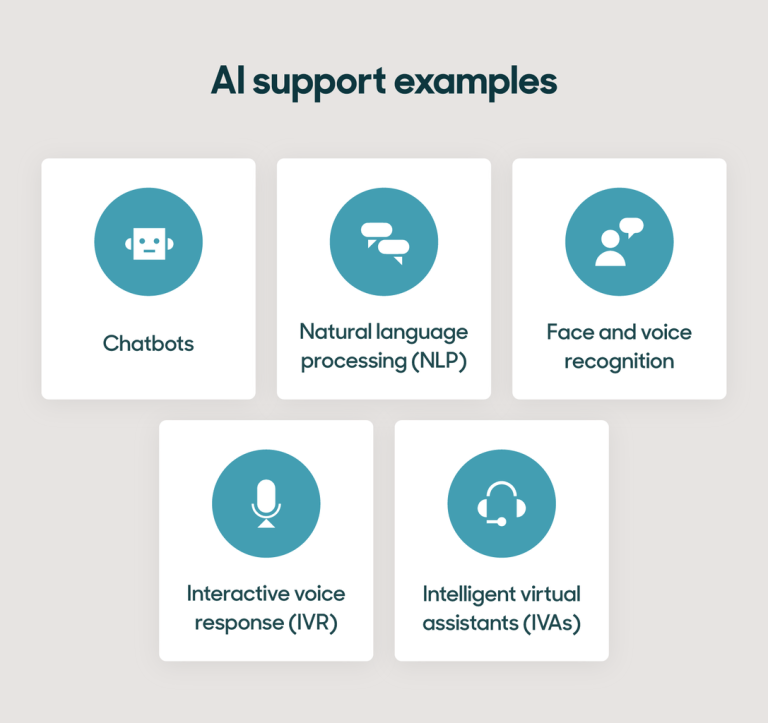
Additionally, data analytics tools can analyze customer behavior and predict trends, allowing for more targeted marketing strategies. Implementing AI can also enhance personalization, offering customers solutions that are tailored to their needs and preferences, as evidenced by the increasing integration of AI in customer interactions.
Measuring Success
To understand the effectiveness of customer-centric strategies, it is essential to measure their impact.
Key performance indicators (KPIs) should include customer satisfaction scores, retention rates, and customer lifetime value. Regularly track these metrics to gauge the health of your customer relationships and make informed decisions.
Moreover, consider using net promoter scores (NPS) to measure customer loyalty and the likelihood of recommendations to others—a critical metric for assessing customer satisfaction.
Overcoming Challenges
Implementing a customer-centric marketing strategy is not without its challenges. From internal resistance to alignment of tools and data, organizations must navigate a variety of hurdles. Here’s how to address some of the most common obstacles:
Common Pitfalls
One significant challenge is the siloing of information within departments, which can hinder the sharing of customer insights and data essential for a unified customer-centric approach.
Additionally, companies might face difficulties in shifting from a product-focused to a customer-focused mindset, which requires a cultural change within the organization.
Overcoming these pitfalls involves ensuring that all departments understand and buy into the customer-centric vision, promoting cross-functional teams, and sharing customer data across the organization to create a unified view of customer interactions.
Overcoming Resistance
Resistance to change is a natural human inclination, and it can manifest strongly when organizations attempt to shift their core strategies. To manage this resistance, it is crucial to communicate the benefits and potential impacts of customer-centric marketing clearly and effectively.
Engaging employees in the process through training and involvement in decision-making can help them understand their role in the strategy and the positive outcomes it aims to achieve. Leadership support is also essential; leaders should champion the customer-centric approach and model the behaviors they expect to see in their teams.
Aligning Technology and Strategy
Another challenge is aligning existing technology with new customer-centric strategies. Many organizations find that their current systems are not equipped to handle the nuances of a deeply personalized marketing approach.
Upgrading or integrating new CRM systems, analytics tools, and customer feedback mechanisms can be costly and time-consuming. It’s important to prioritize these investments based on the areas that will have the most significant impact on customer experience and to phase in changes in a way that allows for continuous learning and adaptation.
Embracing the Customer-Centric Model
Customer-centric marketing is key to building deeper relationships and enhancing loyalty. By aligning marketing strategies with customer needs and employing advanced tools, businesses can effectively respond to and even anticipate customer demands.
Overcoming internal challenges and resistance is crucial for a unified approach that prioritizes the customer’s voice. Embracing these principles ensures not just survival, but prosperity, positioning companies to thrive in a consumer-driven market.
ISBM is a nonprofit, global network of business researchers and practitioners. Ask about how an ISBM Membership can help you now or visit ISBM today to learn more!