

Email marketing is an essential strategy for B2B companies, distinct in its approach when compared to B2C marketing. It is not solely about selling products, but rather fostering long-term relationships and guiding potential clients through the sales funnel. B2B email marketing focuses on personalized engagement and delivering value, aiming to build trust and establish credibility with a professional audience.
In this guide, we will explore the nuances of B2B email marketing, offering strategic insights and best practices to help you leverage email effectively to nurture leads and drive business growth. Whether you are refining your strategy or starting from scratch, this guide will provide the tools and knowledge needed to create impactful email campaigns tailored to your B2B audience.
Quick Takeaways
- A robust B2B email marketing strategy is crucial for targeted, relevant, and effective communication, driving conversions and nurturing leads.
- Deep knowledge of your target audience, achieved through segmentation, is essential for tailoring messages and enhancing engagement.
- Providing valuable content that addresses the recipient’s needs and challenges is key to guiding prospects through the purchasing decision process.
- Monitoring key metrics like open rates and click-through rates is vital for assessing campaign effectiveness and making data-driven optimizations.
Setting Up a B2B Email Strategy
Developing a robust B2B email marketing strategy is foundational to achieving your business communication and sales goals. A well-structured strategy ensures that your email campaigns are targeted, relevant, and effective in nurturing leads and driving conversions.
- Define Your Objectives: Clearly outline what you aim to achieve with your email marketing efforts. Whether it’s lead generation, nurturing, or customer retention, your goals should align with your broader business objectives.
- Understand Your Audience: Deeply understanding your target audience is crucial. Segment your audience based on factors like industry, company size, or stage in the buying cycle to tailor your messages effectively.
- Craft a Content Plan: Develop a content strategy that addresses your audience’s needs and challenges. Your content should provide value, establish your expertise, and gradually guide prospects towards making a purchasing decision.
- Choose the Right Tools: Utilize email marketing software that allows for automation, segmentation, and detailed analytics. These tools will enable you to execute your strategy efficiently and measure its effectiveness.
- Compliance and Best Practices: Ensure your email marketing practices comply with regulations like GDPR and CAN-SPAM. Adhering to these rules will help maintain your brand’s credibility and trustworthiness.
- Continuous Optimization: Regularly analyze the performance of your email campaigns. Use insights from your analytics to refine your approach, test different strategies, and improve your overall effectiveness.
Incorporating these elements into your B2B email strategy will set a solid foundation for your marketing efforts.
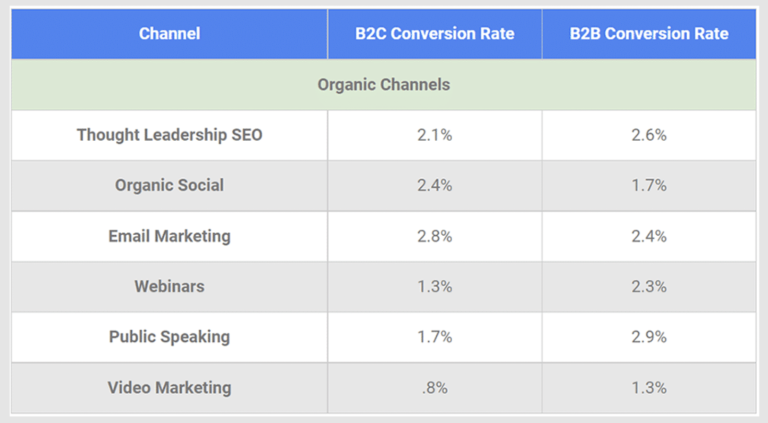
According to a recent report, email marketing remains a potent tool for driving conversions, with a 2.4% conversion rate for B2B brands.
Crafting Effective B2B Emails
Creating effective B2B emails requires a blend of strategic planning, understanding of your audience, and attention to the technical aspects of email marketing. By focusing on the key elements below, you can enhance the effectiveness of your B2B email campaigns, driving better engagement and achieving your marketing objectives.
1. Subject Line
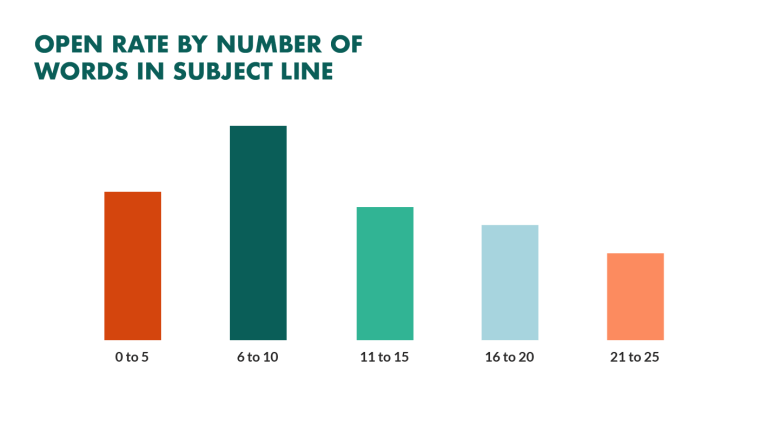
The subject line is your first impression. It should be concise, clear, and compelling. According to SuperOffice, subject lines with 6 to 10 words deliver the highest open rate, emphasizing the importance of brevity and relevance to capture attention.
2. Content Relevance
Your email should provide value to the recipient, whether it is through insightful industry analysis, helpful tips, or solutions to common challenges. Ensure the content is relevant and beneficial to your audience.
3. Clear Call-to-Action (CTA)
Each email you send should be driven by a specific goal. Whether the aim is to encourage the recipient to download a whitepaper, sign up for a webinar, or book a demo, the CTA must be prominently displayed and straightforward to locate.
4. Mobile Optimization
With many emails being opened on mobile devices, ensuring your emails are mobile-friendly is crucial. This includes responsive design, readable font sizes, and easily clickable buttons.
5. Testing and Optimization
Regularly test different elements of your emails, such as subject lines, content, and CTAs. Analyze performance and continuously optimize to improve engagement and conversion rates.
Email Automation and Nurturing Campaigns
According to a recent study, email marketing is considered the second most suitable use of marketing automation.
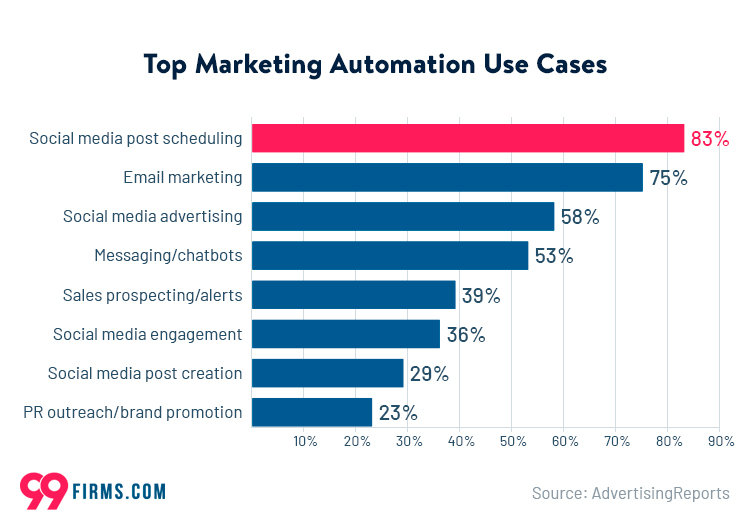
This underscores the growing recognition of the value that automation and nurturing campaigns bring to B2B marketing strategies.
Email automation and nurturing campaigns are pivotal in guiding potential clients through the sales funnel, providing timely and relevant information at each stage of their journey. These strategies not only streamline communication, but also ensure consistent engagement with your audience.
1. Automated Email Sequences
Set up automated emails triggered by specific actions, such as downloading a whitepaper or signing up for a webinar. These emails should provide additional value, encouraging further engagement.
2. Segmentation and Personalization
Use segmentation to tailor your nurturing campaigns to different audience segments. Personalization goes beyond addressing the recipient by name; it involves tailoring content to their interests, behaviors, and stage in the sales cycle.
3. Engagement Tracking
Monitor how recipients interact with your emails. Use this data to refine your campaigns, focusing on what works best in terms of content, timing, and frequency.
4. Lead Scoring
Implement a lead scoring system to identify when prospects are ready to move to the next stage of the funnel. This helps in prioritizing leads and tailoring your communication to their readiness to engage or buy.
5. Continuous Optimization
Regularly review the performance of your automation and nurturing campaigns. Use insights from your analytics to tweak and improve your strategies for better engagement and conversion rates.
Measuring Success and Analyzing Performance
To ensure the effectiveness of your B2B email marketing campaigns, it’s crucial to measure success and analyze performance meticulously. This process helps in understanding what resonates with your audience and what needs improvement.
- Open Rate: This metric indicates the percentage of recipients who opened your email. It provides insight into how compelling your subject lines are and the overall interest in your content.
- ROI: Calculating the return on investment for your email marketing campaigns is essential to understand the financial impact and effectiveness of your email marketing strategy.
- Click-Through Rate (CTR): CTR measures the percentage of email recipients who clicked on one or more links contained in an email. This metric is vital for understanding how engaging your email content is and how well your calls-to-action are performing.
- Conversion Rate: This is the percentage of email recipients who completed a desired action after clicking on a link in your email, such as filling out a form or making a purchase. It directly correlates with the effectiveness of your email in driving recipients towards your business goals.
- Bounce Rate: The bounce rate shows the percentage of your emails that were not delivered to the recipient’s inbox. Keeping this rate low is crucial for maintaining a healthy sender reputation.
- List Growth Rate: Monitoring how your email list is growing over time can provide insights into the effectiveness of your lead generation efforts.
- Segmentation Performance: Analyze how different segments respond to your campaigns. This can help in refining your segmentation strategy for better personalization and engagement.
According to a recent survey, the top two metrics marketers track for the emails they send are clickthrough rate (34%) and open rate (31%). This highlights the importance of these metrics in understanding email performance and making data-driven decisions to optimize your email marketing campaigns.
Maximize Impact with Effective B2B Email Marketing Today
B2B email marketing is a critical strategy for engaging and converting professional audiences. By tailoring content, utilizing automation, and rigorously analyzing performance, businesses can significantly enhance their marketing effectiveness. Adopting these best practices ensures that your B2B email marketing efforts drive meaningful engagement and contribute to your company’s growth and success.
ISBM is a nonprofit, global network of business researchers and practitioners. Ask about how an ISBM Membership can help you now or visit ISBM today to learn more!