

Businesses across the globe are rapidly transitioning towards data-driven cultures. The ability to harness data, analyze it, and base decisions on insights gleaned from it can significantly differentiate successful businesses from their competitors. This transition marks a shift from intuition-based decision-making to a more empirical, data-driven approach.
Data-driven decision making (DDDM) is a fundamental strategy that leverages data to guide business strategies, operational processes, and tactical actions. By embracing DDDM, organizations can enhance decision accuracy, boost efficiency, improve customer satisfaction, and ultimately, drive growth and innovation.
This guide aims to equip B2B marketers with a comprehensive understanding of data-driven decision making and inspire you to harness the power of data in your decision-making processes.
Quick Takeaways
- Data-driven decision making shifts organizations from intuition-based to informed, data-based decisions, enhancing objectivity and effectiveness.
- Adopting DDDM significantly boosts customer acquisition, retention, and profitability, offering a substantial competitive edge.
- Effective DDDM requires tools like data analytics platforms, BI software, and predictive analytics for thorough data analysis and interpretation.
- DDDM implementation faces hurdles such as maintaining data quality, addressing privacy and security, and managing organizational change resistance.
The Essentials of Data-Driven Decision Making
Data-driven decision making has transitioned from a nice-to-have to a must-have strategy. At its core, DDDM is the practice of basing decisions on the analysis of data, rather than purely on intuition or personal experience. This approach empowers organizations to make more objective, informed, and effective decisions.
A compelling statistic from the McKinsey Global Institute underscores the value of DDDM: Data-driven organizations are 23 times more likely to acquire customers, six times as likely to retain those customers, and 19 times more likely to be profitable.
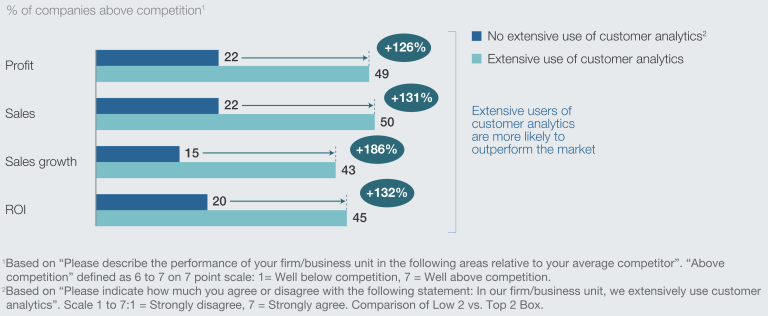
This stark contrast highlights the significant competitive edge that data-driven practices can offer businesses.
Key Components of DDDM
- Data Collection: Gathering relevant and high-quality data is the foundation of DDDM. This involves identifying the right data sources and ensuring the data is accurate and comprehensive.
- Data Analysis: Once data is collected, it must be analyzed to extract meaningful insights. This involves using various statistical, computational, and machine learning techniques to interpret the data.
- Decision Making: The insights derived from data analysis then inform decision-making processes. This step involves translating data insights into actionable strategies and implementing them in the organization’s operations.
- Review and Refinement: DDDM is an iterative process. After decisions are made and implemented, their outcomes should be monitored and analyzed to assess their effectiveness. This feedback loop allows for continuous improvement of decision-making processes.
By integrating DDDM into their operations, organizations can enhance their efficiency, innovate more effectively, and gain a significant advantage over competitors who rely less on data. The transition to a data-driven approach requires a cultural shift within the organization, where data is valued as a critical asset for decision-making.
Implementing Data-Driven Decision Making
To transition into a data-driven organization, a structured approach is essential. Here’s a step-by-step guide to effectively implement data-driven decision-making in your business:
- Cultivate a Data-Driven Culture: The shift begins with a mindset change at all levels of the organization. Encourage curiosity and foster an environment where data-driven insights are valued over intuition or gut feeling.
- Set Clear Objectives: Define what you want to achieve with data-driven decision-making. Whether it’s improving customer satisfaction, increasing efficiency, or boosting sales, having clear goals will guide your data strategy.
- Invest in the Right Technology: Equip your team with the necessary tools to collect, store, analyze, and interpret data. This might include CRM systems, data analytics software, and data visualization tools.
- Invest in the Right Technology: Equip your team with the necessary tools to collect, store, analyze, and interpret data. This might include CRM systems, data analytics software, and data visualization tools.
- Develop Analytical Skills: Provide training and resources to help your team develop the skills needed to analyze data effectively. This includes understanding statistical methods, data visualization, and data interpretation.
- Data-Driven Decision-Making Process: Integrate data analysis into your decision-making process. Encourage teams to present data-backed arguments and base their strategies on insights derived from data.
- Monitor and Refine: Continuously monitor the outcomes of your data-driven decisions and refine your approach based on what works best. This iterative process will help you fine-tune your strategy and improve decision-making over time.
By following these steps and keeping in mind the significant impact data-driven decision-making can have on customer acquisition and profitability, organizations can effectively transition to a more data-centric approach in their operations.
Tools and Technologies for Data-Driven Decision Making
To effectively implement data-driven decision-making, organizations must leverage the right tools and technologies. These tools not only facilitate the collection and analysis of data, but also help in visualizing and interpreting the results to make informed decisions.
A survey by NewVantage Partners found that 92% of business leaders report that the pace of investment in big data and AI is accelerating. This statistic highlights the growing recognition of the importance of data-driven technologies in enhancing both business decision-making and ROI.
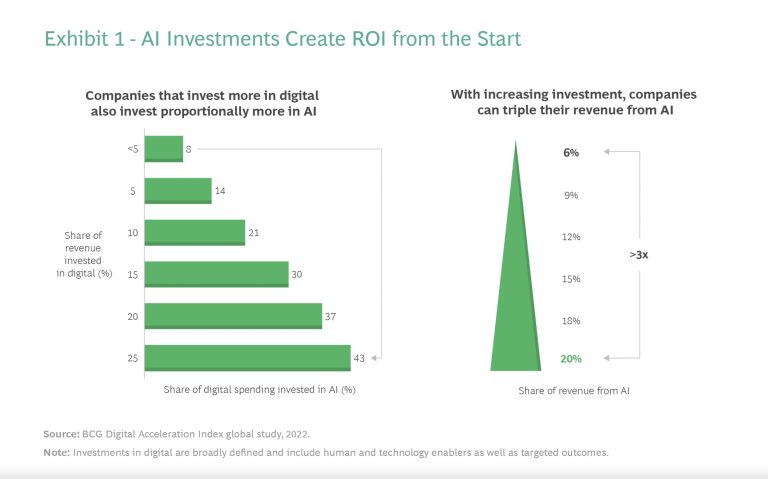
Here’s an overview of the essential tools and technologies for data-driven decision-making:
1. Data Analytics Platforms
These platforms provide comprehensive tools for analyzing large datasets, identifying trends, and extracting actionable insights. Examples include Google Analytics, Tableau, and SAS Analytics.
2. Business Intelligence (BI) Software
BI tools help organizations transform data into insights for informed decision-making. They often include features for data visualization, reporting, and dashboard creation. Popular BI tools include Microsoft Power BI, QlikView, and IBM Cognos.
3. Data Visualization Tools
Visualization is key to interpreting complex data sets. Tools like Tableau, Power BI, and D3.js enable users to create intuitive and interactive visual representations of data.
4. Predictive Analytics
These tools use historical data to predict future trends and outcomes. They are particularly useful in forecasting customer behavior, market trends, and risk assessment. Examples include IBM SPSS Modeler and SAS Predictive Analytics.
5. Machine Learning Platforms
Machine learning algorithms can analyze vast amounts of data to identify patterns and make predictions. Platforms like TensorFlow, Apache Mahout, and Azure Machine Learning facilitate the development of machine learning models.
6. Data Management Systems
Effective data-driven decision-making requires robust data management systems to store, process, and secure data. Technologies like databases, data warehouses, and cloud storage solutions are fundamental.
Challenges and Considerations in Data-Driven Decision Making
While data-driven decision-making (DDDM) offers numerous benefits, organizations face several challenges and considerations when implementing this approach. Addressing these challenges is crucial for the success of DDDM initiatives. Here are some key challenges and considerations:
1. Data Quality and Integrity
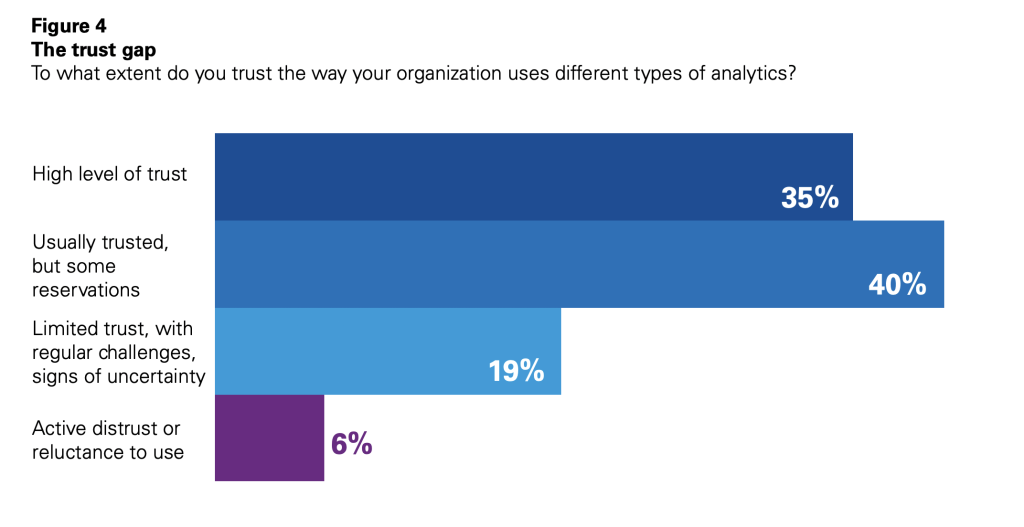
Ensuring the accuracy, completeness, and consistency of data is a major challenge. According to a recent survey, only 34% of executives have a high level of trust in the analytics of their organization’s data.
2. Data Privacy and Security
With the increasing amount of data collected, organizations must navigate the complexities of data privacy regulations and ensure the security of their data assets. Breaches can lead to significant financial and reputational damage.
3. Resistance to Change
Shifting to a data-driven culture can be met with resistance from employees who are accustomed to traditional decision-making processes. Effective change management and training are essential to overcome this challenge.
4. Skill Gaps
The lack of data literacy and analytical skills among employees can hinder the effective implementation of DDDM. Organizations need to invest in training and possibly hire new talent to bridge this gap.
5. Integration of Systems and Data
Siloed data and incompatible systems can impede the flow of information and the comprehensive analysis of data. Ensuring interoperability and integration of data sources is crucial for effective DDDM.
6. Keeping Pace with Technology
The rapid evolution of data analytics and related technologies can be overwhelming. Organizations must stay informed and agile to adopt new tools and methodologies that can enhance their decision-making processes.
Embrace the Future of Data Driven Decision Making Today
Data-driven decision-making is a transformative approach that empowers organizations to make more informed, effective, and strategic decisions. Embracing this data-centric approach is not without its hurdles, but the potential rewards in terms of enhanced decision-making capabilities and business outcomes are substantial and well worth the investment.
ISBM is a nonprofit, global network of business researchers and practitioners. Ask about how an ISBM Membership can help you now or visit ISBM today to learn more!