
The future of marketing strategy is a fascinating and rapidly evolving landscape. As businesses strive to stay ahead of the curve, understanding emerging trends becomes crucial.
Dr. Lisa Scheer, a renowned expert in marketing strategy, shed light on these trends at the recent ISBM Member Meeting in June. Her work highlights the enduring significance of personal connections in an increasingly digital world.
In this article, we will explore the key trends shaping the future of marketing strategy, drawing on Dr. Scheer’s forward-thinking insights and expertise.
Quick Takeaways
- Data-driven marketing leads to personalized and effective campaigns by leveraging vast amounts of data.
- Prioritizing first-party data and investing in analytics tools are essential for maximizing the potential of data-driven marketing.
- The adoption of data-driven marketing is growing, with a projected CAGR of 20.4% from 2021 to 2028.
- Continuous innovation in data collection and analysis is crucial to staying competitive.
The Rise of Data-Driven Marketing
Data-driven marketing has become a cornerstone of modern strategies, enabling businesses to leverage vast amounts of data for informed decisions. In 2024, 66% of marketers are focusing their targeting efforts on offers, messages, and content using data, leading to more personalized and effective campaigns. This approach enhances customer engagement and overall efficiency.
Leading marketers prioritize first-party data for its direct insights from customer interactions. Investing in advanced analytics, improving data collection methods, and training teams are critical steps to maximize the potential of data-driven marketing. By leveraging these insights, businesses can better predict consumer behavior and personalize their outreach.
The adoption of data-driven marketing is on a growth trajectory, with a predicted compound annual growth rate (CAGR) of 20.4% from 2021 to 2028. This growth highlights the increasing importance of data in shaping marketing strategies and underscores the need for continuous innovation in data collection and analysis to stay competitive.
The Evolution of Customer Experience (CX)
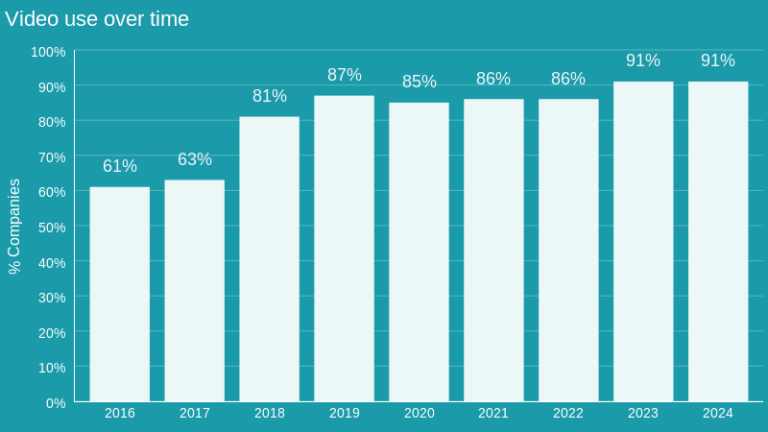
Customer experience (CX) has emerged as a key differentiator for businesses in a competitive market. Companies are increasingly prioritizing CX to build strong, lasting relationships with their customers. In 2024, the emphasis on CX is more pronounced than ever, with 91% of businesses using video as a marketing tool to enhance customer engagement and satisfaction.
Personalized marketing, driven by advancements in artificial intelligence and machine learning, plays a crucial role in improving CX. Businesses can now analyze vast amounts of customer data to create tailored experiences that resonate with individual preferences and needs. This level of personalization not only enhances customer satisfaction, but also drives loyalty and long-term business growth.
Despite the growing role of technology, the need for genuine interpersonal relationships remains crucial in B2B contexts. While technological advancements facilitate more efficient and personalized interactions, maintaining strong personal connections continues to drive business success. This balance between leveraging technology and nurturing personal relationships is key to achieving sustainable growth.
The Shift Towards Sustainability and Ethical Marketing
Sustainability and ethical considerations are now integral to marketing strategies. Consumers demand more than quality products; they expect brands to act responsibly and contribute positively to society. This shift has led to a growing emphasis on sustainability and ethical marketing practices.
Companies are aligning their marketing efforts with environmental and social responsibility. Businesses are reducing their carbon footprint, using sustainable materials, and supporting social causes.
A recent survey found that 73% of consumers are willing to change their consumption habits to reduce environmental impact. This consumer pressure drives brands to adopt transparent and ethical practices.
Ethical marketing builds trust and loyalty while differentiating brands in a crowded market. Businesses that embrace sustainability attract environmentally conscious consumers, enhancing their brand image and fostering long-term loyalty. Integrating sustainability into marketing strategies involves:
- Highlighting eco-friendly practices
- Supporting fair trade
- Promoting community engagement initiatives
The Integration of Multichannel Marketing
Multichannel marketing, which creates a cohesive buyer experience across digital, social, and traditional media, is shaping the future of marketing strategy. This approach ensures consistent messaging and a unified brand presence wherever buyers interact with the brand.
By integrating multiple channels, businesses can reach a broader audience and cater to diverse buyer preferences. Some buyers may prefer social media, while others respond better to email marketing or in-store promotions.
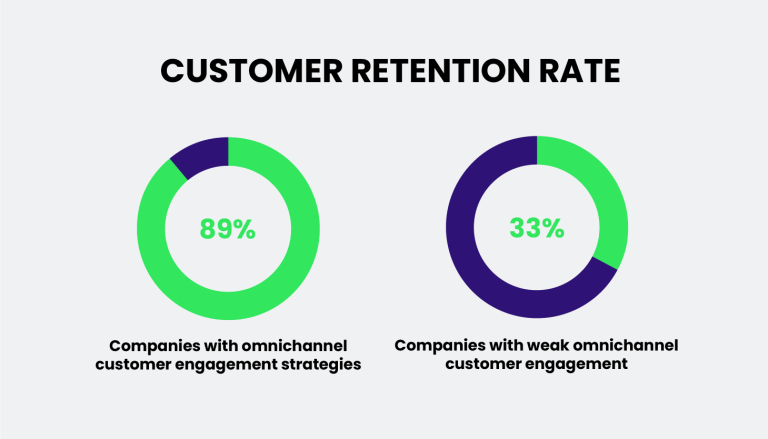
Research shows that on average, companies with a multichannel approach to marketing retain 89% of their buyer’s business, compared to a 33% retention rate for companies with weak multichannel strategies.
Advanced analytics and marketing automation tools are crucial for effective multichannel strategies. These tools help:
- Track buyer interactions
- Analyze behavior patterns
- Deliver personalized experiences
Leveraging data insights, businesses can create targeted campaigns that resonate with their audience and improve overall marketing performance.
The Growing Importance of Agile Marketing
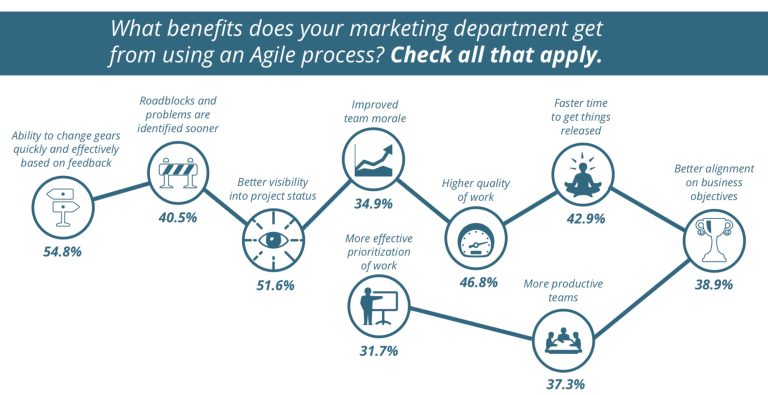
Agile marketing emphasizes flexibility, collaboration, and rapid iteration, enabling teams to respond quickly to market changes and customer feedback. As of now, 58% of marketing teams have adopted agile practices to boost responsiveness and efficiency (HubSpot).
This approach involves breaking down projects into smaller tasks completed in short cycles, or sprints. This iterative process allows teams to continually assess and improve strategies based on real-time data and insights. Collaboration ensures team alignment and quick adaptation to new information.
Benefits of agile marketing include increased productivity, improved team morale, and more effective use of resources.
Focusing on high-priority tasks and minimizing time on less critical activities leads to more impactful campaigns. Agile marketing’s ability to pivot quickly in response to feedback helps businesses stay competitive.
Prepare for the Future of Marketing Strategy with ISBM
The future of marketing strategy involves embracing trends like data-driven marketing, agile methodologies, and multichannel integration, while prioritizing sustainability and ethical practices. By staying ahead of these “trends in marketing strategy,” businesses can drive growth and maintain a competitive edge. Balancing continuous innovation with strong human connections will be essential in this evolving landscape.
Visit ISBM.org to listen to the recorded presentation by Dr. Lisa Scheer where she discusses the importance of person-to-person relationships in B2B contexts.
ISBM is a nonprofit, global network of business researchers and practitioners. Ask about how an ISBM Membership can help you now or visit ISBM today to learn more!