

Many B2B companies struggle to define and develop marketing capabilities, often due to a lack of resources or a focus on other areas of the business. As a result, they struggle to compete in a crowded marketplace and may fail to reach their full potential. Does this sound like your B2B company? If so, you are in the right place.
Marketing capabilities are essential for any company looking to succeed in today’s competitive B2B environment. A structured marketing capability framework helps organizations align people, processes, and tools to compete effectively. Unlike B2C marketing, B2B marketing involves targeting other businesses as customers, which requires a different set of strategies, tactics and capabilities (both in people and process) to succeed.
In this article, we will explore the importance of B2B marketing capabilities, and provide a step-by-step process for developing them. By the end of this blog post, you will have a better understanding of what B2B marketing capabilities are, why they are important, and how they can be developed to drive growth and success.
Quick Takeaways
- Marketing capabilities are crucial for companies to succeed in a competitive marketplace
- B2B companies can define and develop their marketing capabilities through 4 key fundamentals
- The ISBM Value Delivery Framework outlines critical capabilities B2B companies need to successfully drive organic revenue growth.
- By mastering the 4 fundamentals of marketing capability development, businesses can establish common best practices, realize efficiencies and alignment, attract and retain talent, and drive measurable results
By defining and developing your company’s marketing capabilities, you can build strong buyer relationships, increase loyalty and brand awareness, and drive organic revenue growth.
What Are Marketing Capabilities?
There are nearly 3 million B2B businesses in the US, equating to about 23.6% of all American companies. If you want your B2B business to have a competitive advantage, you need to start by defining and developing marketing capabilities.
Marketing capabilities refer to a company’s set of skills, tools, and techniques that effectively promote and sell its products or services. Developing your marketing capabilities will help you master today’s most important marketing skills and understand how to use them to achieve marketing excellence.
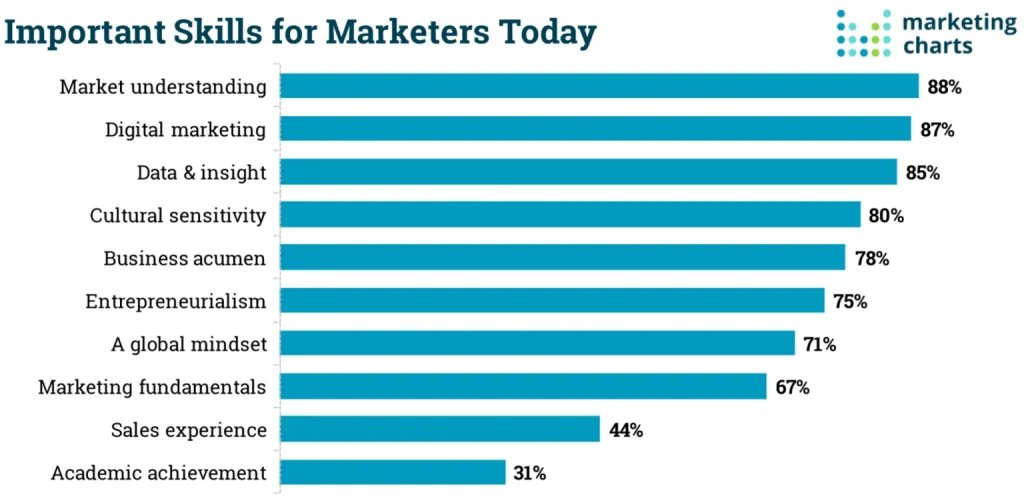
At ISBM, we operate according to 4 key fundamentals that are specifically designed to drive marketing excellence and develop marketing capabilities:
- Common Framework and Tools
- Competency Models and Career Playbook
- Talent Management and Development
- Change Management and Results
Through the implementation and mastery of each element, B2B businesses are able to reach their full potential and drive consistent growth.
Why Are Marketing Capabilities Important?
Marketing capabilities are a critical component of any great business strategy, as they help companies achieve several key components of successful marketing:
- Understand buyer needs. By developing strong research capabilities, your B2B company can learn about buyers’ pain points, challenges, and goals, and use this information to create targeted messaging that resonates with your audience.
- Build brand awareness and reputation. Building a strong brand identity and reputation is critical for success. Great marketing capabilities allow B2B companies to differentiate themselves from competitors and build trust with buyers.
- Leverage marketing channels. With the rise of digital technology, B2B companies have access to many marketing channels, like social media, email marketing, and content marketing. With the necessary tools and skills, B2B companies can engage their target audiences more effectively, generate leads, and drive revenue growth.
- Build strong relationships. B2B companies often rely on long-term relationships with buyers for success. Strong marketing capabilities enable B2B companies to manage buyer interactions, track behaviors and preferences, and provide personalized experiences that drive repeat business.
By investing in these marketing capabilities, B2B companies can drive growth, increase revenue, and achieve success in competitive industries.
4 Fundamentals for Building a Marketing Capability Framework
B2B companies interested in driving marketing excellence can achieve their goals by mastering the 4 fundamentals described below.
1. Common Framework and Tools
First, B2B companies need to establish a common marketing framework and tool kit. This serves as a critical foundation for efficient execution of core marketing fundamentals. The ISBM Value Delivery Framework consists of 5 steps:
- Build Value and Understanding. Businesses must first define marketing and value, analyze buyers and competitors, understand value chains, and know company competencies.
- Develop Strategy. Then, B2B businesses should define segmentation opportunities, conduct market research, select and describe target segments, define their value proposition, and develop a positioning strategy.
- Design Customer Value. Next, set marketing goals and initiatives, develop value offering and pricing strategy, define and plan channel objectives, and develop a brand and promotion plan.
- Communicate & Deliver Value. This step requires integrating MarComm and digital, aligning with sales plan and sales enablement, adjusting channels to deliver value, and managing the buyer experience.
Manage Performance. Lastly, effective marketing management includes planning, controlling marketing financials, tracking market response, and planning for risks.
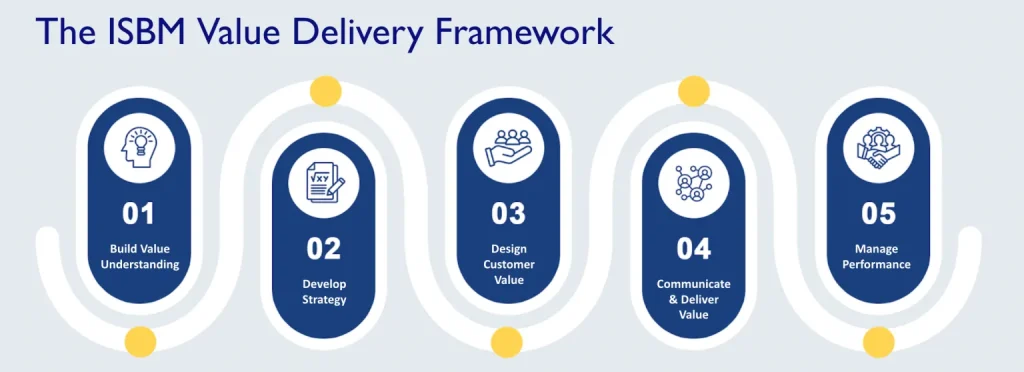
To use the ISBM delivery framework effectively, businesses should start by conducting a thorough assessment of their current marketing processes and capabilities and identifying areas for improvement.
Then, they can use the framework to guide their market understanding, their growth strategy, and their implementation plan.
2. Competency Models and Career Playbook
The second fundamental step of developing marketing capabilities involves understanding the skills of individual team members.
ISBM’s competency models are part of a broader B2B marketing curriculum that helps organizations pinpoint current strengths and close capability gaps. By measuring your team’s current competencies against the ISBM models, your organization can identify knowledge gaps, and develop targeted training and development plans accordingly.
Then, businesses can use the ISBM career playbook to find guidance on career development and training for team members. Here, you will find information on:
- Job responsibilities
- Skills needed for different marketing roles
- Training and development resources
ISBM can assist your firm with a competency and career development handbook designed to help professionals identify their skills and advance their careers. Businesses can use this handbook to understand the key marketing competencies their teams need to develop, ultimately building a more capable marketing organization equipped to drive growth.
3. Talent Management and Development
A recent survey reported that 65% of learning and development professionals say that filling educational gaps is a priority in today’s industry.
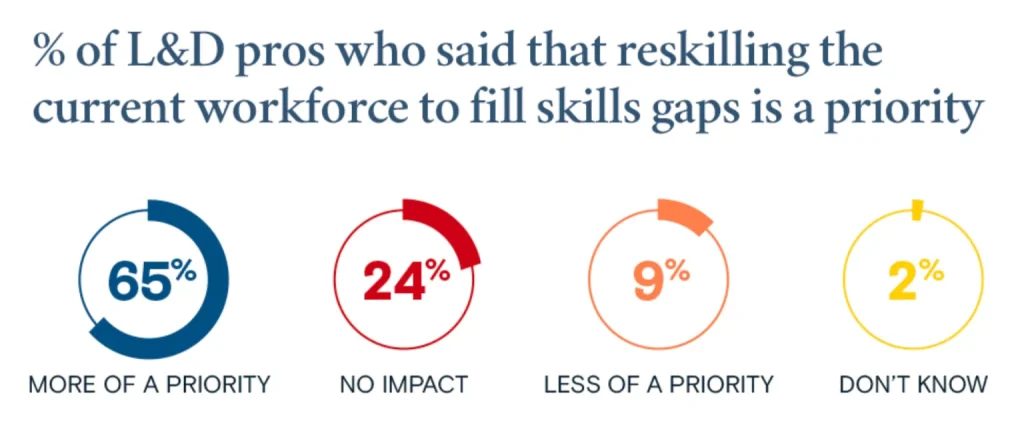
This means that B2B businesses need to focus on managing and developing talent. ISBM’s Talent Management and Development program helps companies fill educational gaps and build marketing capabilities by:
- Identifying key talent. This involves assessing the skills, knowledge, and experience of team members, and identifying individuals with high potential.
- Developing career paths. Team members benefit from training, coaching, and mentoring opportunities.
- Creating a culture of learning. Businesses promote growth with educational materials like online courses, workshops, and conferences.
- Measuring and tracking progress. B2B companies can measure their progress with metrics like employee engagement, retention, and performance.
This structured approach to capability building helps organizations scale skills and sustain long-term growth.
4. Change Management and Results
Lastly, B2B businesses should strengthen their approach by applying proven marketing management best practices while managing change initiatives and driving measurable results. ISBM’s change management and results program help businesses do so by:
- Identifying change opportunities. This may involve conducting a needs assessment to determine which areas could benefit from improvements.
- Developing change management strategies. ISBM helps organizations identify stakeholders, develop a plan for communication, implement training support and activities that support adoption of change.
- Implementing change initiatives. To implement change, B2B businesses may pilot new programs, test new processes, and track progress over time.
- Measuring and tracking results. Measuring your B2B organization’s results is key to seeing continuous growth. Use metrics like employee satisfaction, productivity, and cost savings to identify areas that need adjustments.
By effectively managing change initiatives and measuring results, organizations can improve marketing effectiveness and drive business growth.
Define & Develop Your Marketing Capabilities Today
Defining and developing your business’s marketing capabilities is the first step towards achieving marketing excellence. This will allow you to understand buyer needs, build brand awareness, and build strong relationships that lead to continuous growth.
Are you ready to define and implement a marketing capability framework for your B2B organization?With our professional training programs and expert advice, it’s easy to start developing your team’s capabilities. Ask about how an ISBM Membership can help you get started now, or visit ISBM today to learn more!