

Brands that fail to evolve risk becoming irrelevant and losing the attention and loyalty of their audience. Implementing a compelling brand improvement strategy is crucial for businesses aiming to capture attention, foster loyalty, and drive growth. Transforming your brand into one that consistently exceeds customer expectations sets you apart from the competition.
This guide will delve into the essential steps for developing and executing a successful brand improvement strategy. From conducting a thorough brand audit to refining your brand messaging, we will provide the tools and insights necessary to revolutionize your brand and achieve lasting success.
Quick Takeaways
- Brands must continually evolve to avoid stagnation and maintain relevance in the market.
- Regular brand audits are crucial for assessing current performance and identifying areas for improvement.
- Maintaining a consistent brand image across all platforms can significantly enhance recognition and trust, leading to increased revenue.
- Offering personalized experiences can greatly enhance customer engagement and increase the likelihood of purchases.
Understanding the Need for Brand Improvement
The business environment is constantly changing, influenced by technological advancements, shifting consumer preferences, and competitive pressures. Staying relevant requires brands to continuously adapt and improve. A stagnant brand can quickly lose its appeal, making it essential to keep pace with market dynamics.
An outdated brand not only struggles to attract new customers, but also risks losing existing ones. Stagnation can lead to a loss of market share and diminished brand value. Recognizing the signs of brand stagnation is the first step toward revitalization.
A well-executed brand improvement strategy helps businesses maintain a competitive edge. By staying attuned to market trends and customer needs, brands can differentiate themselves and foster stronger connections with their audience. This proactive approach ensures long-term relevance and success.
Core Elements of a Brand Improvement Strategy
The business environment is constantly changing, influenced by technological advancements, shifting consumer preferences, and competitive pressures. Staying relevant requires brands to continuously adapt and improve. A stagnant brand can quickly lose its appeal, making it essential to keep pace with market dynamics.
An outdated brand not only struggles to attract new customers, but also risks losing existing ones. Stagnation can lead to a loss of market share and diminished brand value. Recognizing the signs of brand stagnation is the first step toward revitalization.
A well-executed brand improvement strategy helps businesses maintain a competitive edge. By staying attuned to market trends and customer needs, brands can differentiate themselves and foster stronger connections with their audience. This proactive approach ensures long-term relevance and success.
Brand Audit
A comprehensive brand audit is crucial for assessing the current status of your brand. This involves evaluating customer perception, market position, and brand consistency. Maintaining a uniform brand image, message, and voice across all platforms is vital.
Consistent brand presentation across all platforms can increase revenue by up to 23%, highlighting the importance of a cohesive brand strategy to bolster recognition and trust.

Understanding where your brand stands allows you to identify areas for improvement and set a clear direction for growth.
Vision and Mission Reassessment
Aligning your brand’s vision and mission with current business goals is essential. This reassessment ensures that your brand reflects your company’s values and objectives, providing a solid foundation for all branding efforts. A clear and compelling vision helps guide strategic decisions and resonate with your target audience.
Market Research
Conducting thorough market research is vital for understanding customer needs and market trends. This research provides insights into what your audience values and how your brand can better meet their expectations. Staying informed about industry developments allows you to anticipate changes and adapt your brand strategy accordingly.
6 Steps to Develop a Brand Improvement Strategy
1. Set Clear Objectives
Conducting thorough market research is vital for understanding customer needs and market trends. This research provides insights into what your audience values and how your brand can better meet their expectations. Staying informed about industry developments allows you to anticipate changes and adapt your brand strategy accordingly.
2. Engage Stakeholders
Involving key team members and stakeholders in the planning process ensures that everyone is aligned with the brand’s goals. Collaboration fosters a sense of ownership and encourages diverse perspectives, leading to a more robust strategy. Effective communication and stakeholder buy-in are critical for successful implementation.
3. Brand Positioning
Establishing a unique brand position that resonates with your target audience is essential. This involves identifying what sets your brand apart from competitors and clearly communicating this differentiation. A strong brand position helps attract and retain customers, building a loyal customer base.
4. Brand Messaging
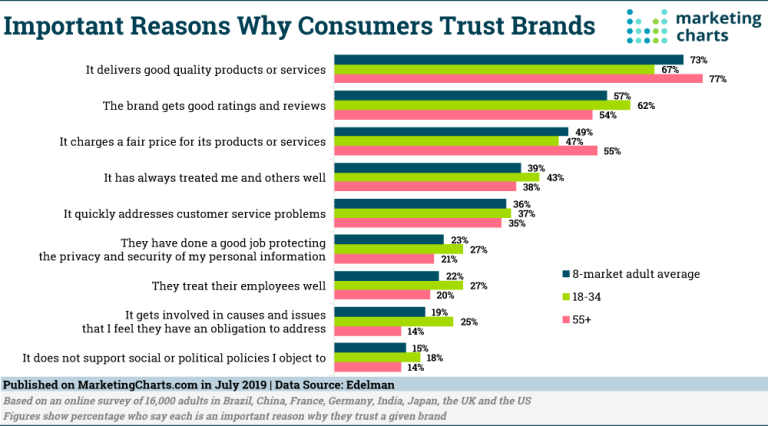
Crafting clear, compelling messages that align with your brand’s vision is key to effective communication. Your messaging should reflect your brand’s values and resonate with your audience. According to a recent survey, 81% of buyer need to trust a brand to purchase from them, reinforcing the importance of building and maintaining trust through a solid brand improvement strategy.
5. Visual Identity Update
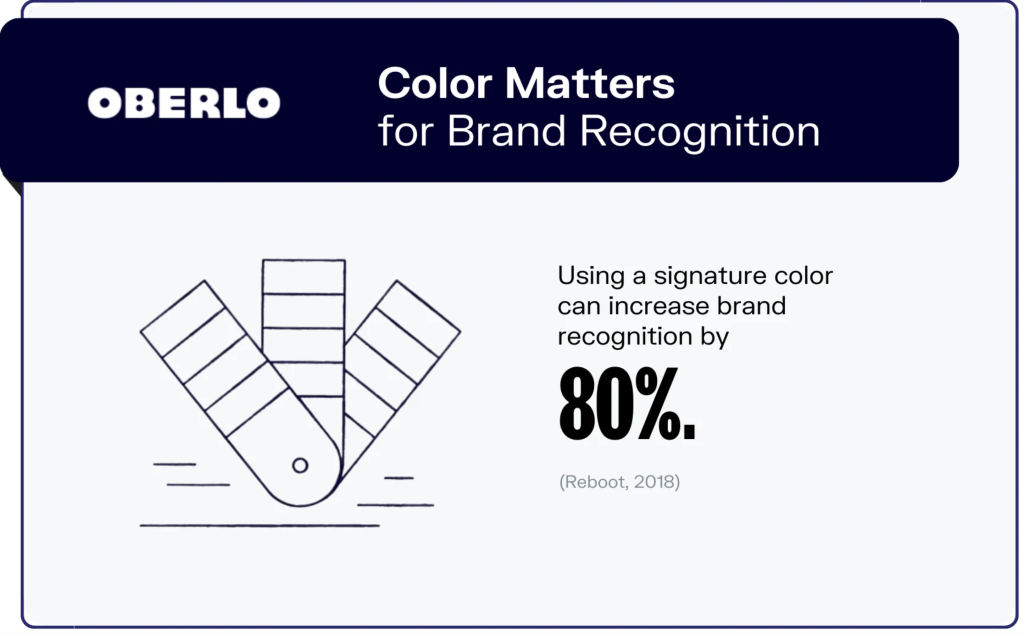
Refreshing your brand’s visual identity, including logos, color schemes, and design elements, can breathe new life into your brand. A cohesive and modern visual identity enhances brand recognition and appeal. Using a signature color can increase brand recognition by up to 80%, demonstrating the power of visual elements in creating a memorable brand identity.
6. Implementation Plan
Developing a detailed plan for rolling out the brand improvements ensures a smooth and coordinated execution. This plan should outline specific actions, timelines, and responsibilities. Regular monitoring and adjustments are necessary to stay on track and achieve the desired outcomes.
Measuring the Impact of Brand Improvement
Tracking the success of your brand improvement strategy requires identifying and monitoring relevant KPIs. These metrics provide insights into how well your strategy is performing and highlight areas for further enhancement.
- Brand Awareness: Measure the increase in brand recognition and visibility through metrics such as social media mentions, website traffic, and search engine rankings.
- Customer Engagement: Track growth in customer interaction, such as social media engagement, email open rates, and participation in brand-related activities.
- Market Share: Assess changes in your market presence by analyzing sales data, market share percentages, and competitive positioning.
- Revenue Growth: Evaluate financial performance indicators like revenue growth, profit margins, and return on investment (ROI) to determine the strategy’s impact on your bottom line.
Common Pitfalls to Avoid
Lack of Consistency
Ensuring all brand elements are aligned is critical for maintaining a cohesive brand image. Inconsistencies in messaging, visuals, and customer experience can confuse your audience and dilute your brand’s impact. Establish clear brand guidelines and ensure they are adhered to across all channels and touchpoints.
Ignoring Customer Feedback
Listening to your audience is vital for successful brand improvement. Neglecting customer feedback can lead to missed opportunities and misguided strategies. Regularly collect and analyze feedback to understand customer needs, preferences, and pain points, and incorporate these insights into your brand improvement efforts.
Underestimating the Competition
Keeping an eye on market competitors is essential for staying competitive. Failing to do so can result in missed trends and a lack of differentiation. Conduct regular competitor analyses to identify strengths, weaknesses, and opportunities, and use this information to refine your brand strategy.
Transform Your Brand with ISBM Today
Revitalizing your brand through a strategic improvement plan is crucial for maintaining relevance and achieving long-term success. By understanding the need for brand improvement, identifying core elements, and following a structured development process, businesses can create a robust brand improvement strategy.
ISBM is a nonprofit, global network of business researchers and practitioners. Ask about how an ISBM Membership can help you now or visit ISBM today to learn more!