

Do you want to position your B2B brand for success, forge stronger connections with your audience, and navigate the ever-changing marketing landscape with confidence? Understanding and capitalizing on B2B trends in marketing can allow your company to unlock new opportunities, enhance customer engagement, and drive meaningful business outcomes.
As the world of B2B marketing undergoes a transformative shift, embracing key B2B marketing trends is more important now than ever. Today, we are exploring 7 key B2B marketing trends and discovering how you can ride the wave of innovation to achieve your marketing goals. These trends also provide valuable B2B marketing insights for modern teams.
Quick Takeaways
- 66% of people say they consider a company’s purpose when making purchase decisions
- Virtual events offer a cost-effective way to connect with potential clients, showcase expertise, generate leads, and build relationships with industry leaders and influencers
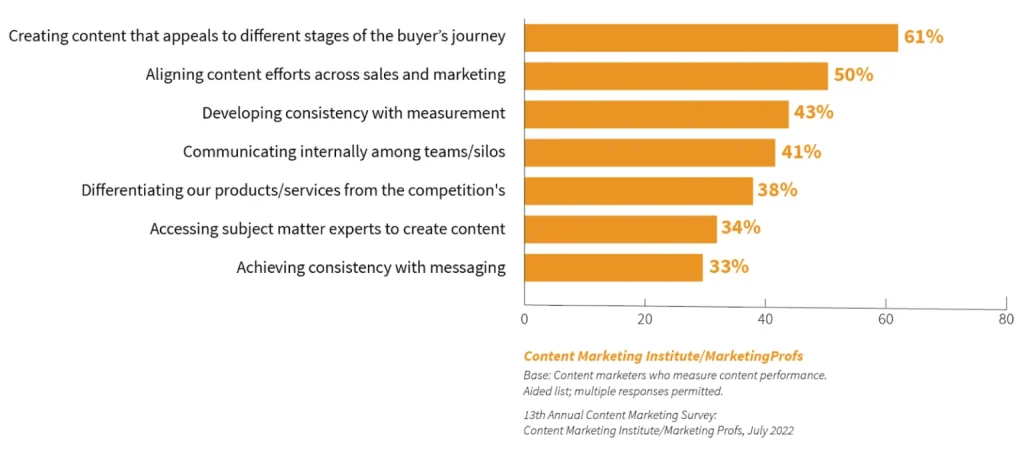
- 61% of B2B marketers are focusing on creating content that appeals to different stages of the buyer’s journey to enhance the customer experience
- AI chatbots are predicted to become the main method for buyer interactions, highlighting the significance of incorporating AI into marketing strategies
As our industries continue to evolve, it is crucial for marketers to identify and embrace B2B marketing trends that can shape their strategies and yield maximum results.
7 B2B Trends in Marketing You Need to Ride
From purpose-driven branding to the adoption of virtual events, today’s trending marketing tactics offer invaluable opportunities to elevate your B2B marketing efforts, reinforcing foundational B2B marketing concepts along the way. Here are 7 key B2B marketing trends that you need to ride to stay ahead.
1. Purpose-Driven Branding
According to a recent survey, 66% of people say they consider a company’s purpose when making purchase decisions.
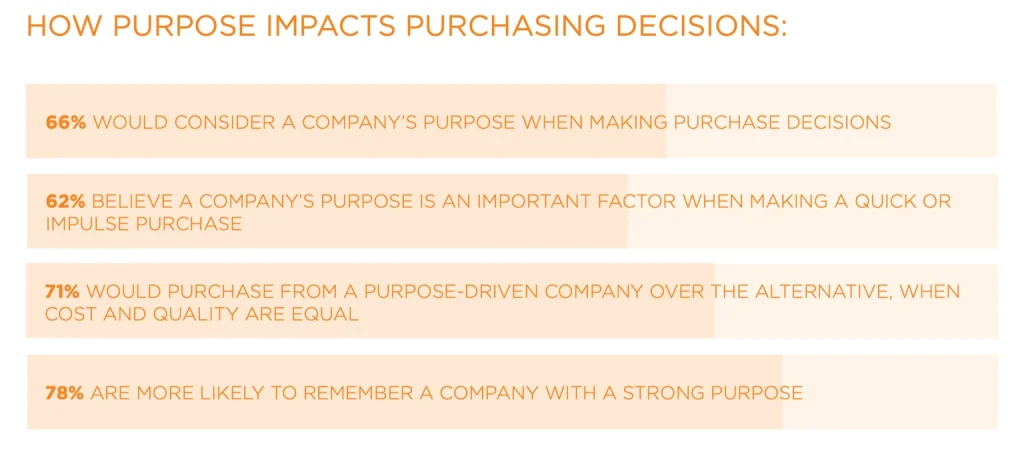
One of the most prominent B2B marketing trends is purpose-driven branding. Purpose-driven branding goes beyond selling products or services, and focuses on aligning a company’s values with its buyers’ expectations.
By emphasizing their commitment to making a positive impact, B2B brands can build stronger connections with their target audience and differentiate themselves from the competition.
2. Virtual Events
In response to the global shift towards remote work, virtual events have gained significant traction in the B2B space.
These online gatherings offer a cost-effective and accessible way for B2B businesses to:
- Connect with potential clients
- Showcase expertise
- Generate leads
- Build relationships with industry leaders and influencers
By leveraging virtual events, B2B companies can reach a wider audience and create engaging experiences without the limitations of physical boundaries, supporting modern outbound marketing strategies.
3. Better Customer Experiences
The customer experience has become a critical aspect of B2B marketing. In fact, a recent study shows that 61% of B2B marketers focus their attention on creating content that appeals to buyers to enhance their overall experience.
Buyers expect personalized, seamless interactions throughout their journey. B2B companies can foster loyalty and drive repeat business by investing in technologies and strategies that enhance:
- Intuitive websites
- Responsive customer support
- Streamlined purchasing processes
Creating brand advocates through better customer experiences is the key to success in 2023, so much so that marketing decision makers have increased their budget for customer engagement by 10% this year.
4. Adoption of B2B Influencers
B2B influencers are becoming increasingly influential in shaping purchase decisions. Last year, 71% of B2B marketers invested more in influencer marketing, and are continuing to do so in 2023.
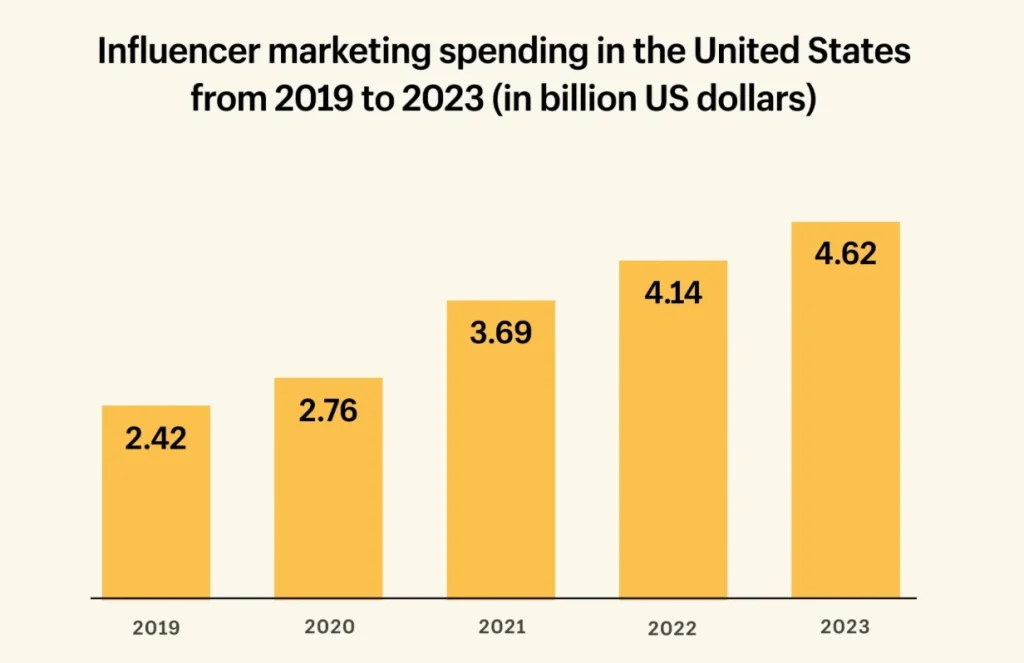
B2B influencers are viewed as industry experts and thought leaders who have established credibility and a dedicated following. This B2B marketing trend has made user generated content a direct path to reaching your audience.
By collaborating with B2B influencers, your company can tap into their expertise and reach, expanding brand visibility and credibility within your target market.
5. AI in Marketing
Artificial Intelligence (AI) has revolutionized the B2B marketing industry by enabling:
- Data-driven decision-making
- Personalization
- Automation
With AI-powered tools, B2B marketers can analyze vast amounts of data, segment audiences, and deliver highly targeted campaigns that strengthen digital advertising efforts. AI also plays a crucial role in chatbots and customer support automation, enhancing efficiency and improving customer experiences.
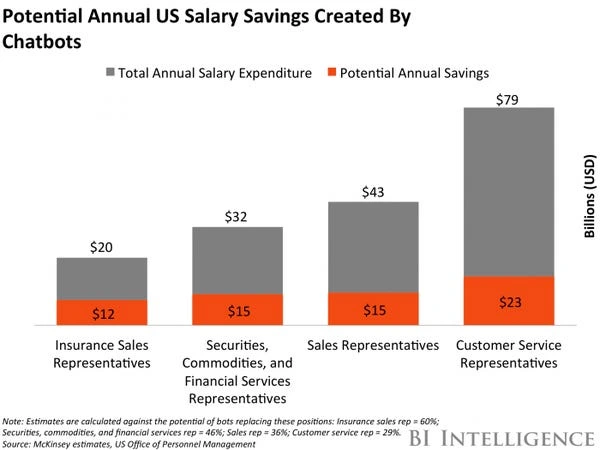
Based on a survey conducted with 800 top B2B marketing executives, 80% of participants stated that they either had already implemented or intended to implement AI chatbots by 2020. Gartner, a leading research and advisory company, predicts that within the next 5 years, chatbots will surpass all other channels and become the main method for buyer interactions.
6. Short-form Video
The popularity of short-form video content, like TikTok and Instagram Reels, has quickly made its way into the B2B marketing landscape. This B2B marketing trend offers a an engaging way for B2B companies to:
- Showcase their brand personality
- Share industry insights
- Engage with their target market
- Educate their audience
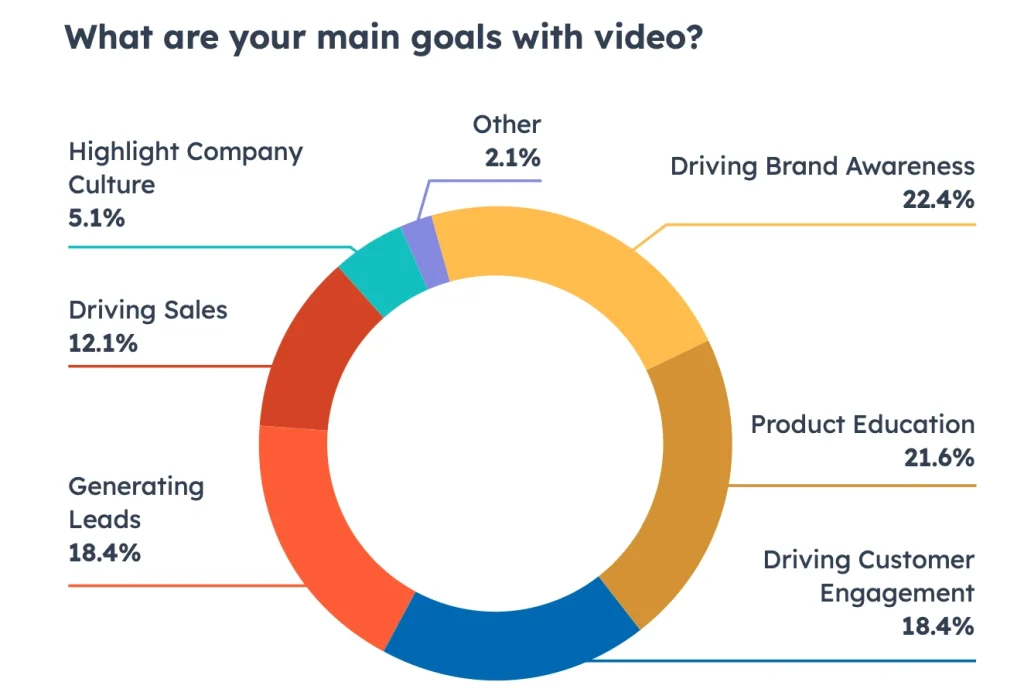
By leveraging short-form video, B2B companies can capture their audience’s attention, foster engagement, and drive brand awareness.
7. Authenticity and Transparency
In an era where trust is paramount, authenticity and transparency have become vital for B2B marketing success. Buyers expect B2B brands to be genuine, honest, and socially responsible.
By showcasing transparent business practices, addressing customer concerns openly, and actively participating in corporate social responsibility initiatives, you can build trust, establish credibility, and cultivate long-lasting buyer relationships.
Boost Your B2B Trends in Marketing Strategy Today
The world of marketing is constantly evolving, and staying ahead of the B2B marketing trends is essential for success. By embracing the 7 key trends highlighted in this post, your B2B company can elevate its marketing efforts and drive sustained B2B marketing growth.
Looking for more expert advice on how to adapt your B2B marketing strategy to today’s industry trends? Explore ISBM’s free B2B resources to learn more. Ask about how an ISBM Membership can help your company grow now, join us at our next Member’s Only Meeting or visit ISBM today to learn more!