
In an era marked by unprecedented market volatility and geopolitical uncertainties, the need for agile corporate strategies has never been more crucial. Businesses worldwide are dealing with challenges where traditional approaches no longer suffice. This period calls for innovative, adaptable strategies that can respond swiftly to change and unforeseen challenges.
Drawing from the extensive research of Dr. Fariborz Ghadar, a renowned expert in global management, this article delves into the core elements of effective global corporate strategy formulation and implementation.
Dr. Ghadar, who keynote the ISBM Member Meeting in June, emphasizes the significance of adaptability and foresight in ensuring business resilience and success. Through his insights, we will explore how businesses can thrive amidst the turbulence of today’s volatile market conditions.
Quick Takeaways
- Rapid adaptation to market changes and unforeseen challenges is crucial for company success.
- 85% of global CEOs have accelerated digital transformation since 2020, highlighting agility’s importance.
- Making agility a strategic priority fosters a culture that views projects as part of a broader organizational journey.
- Dr. Ghadar emphasizes flexibility and forward-thinking to navigate geopolitical uncertainties and achieve long-term success.
The Need for Agility in Global Corporate Strategy
The ability to rapidly adapt to market changes and unforeseen challenges is what sets thriving companies apart from those that struggle. According to recent research, 85% of global CEOs have accelerated their digital transformation efforts since 2020, highlighting the critical role agility plays in modern business strategy.
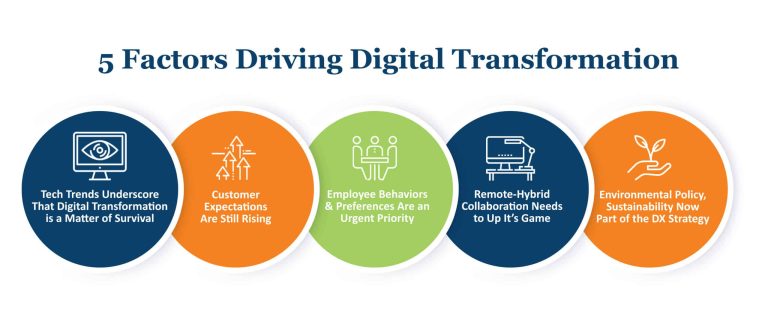
Agility in corporate strategy involves fostering an organizational culture of continuous:
- Improvement
- Feedback
- Learning
This approach helps businesses to adapt swiftly and efficiently to changes, fostering innovation and resilience.
Elevating agility to a strategic C-suite objective can foster a cultural shift throughout the organization. This change moves the mindset from viewing projects as isolated events to understanding them as part of a broader journey toward creating a more responsive and efficient organization. This paradigm shift is essential for maintaining a competitive edge.
The importance of agility is underscored by Dr. Fariborz Ghadar’s research, which emphasizes the need for businesses to remain flexible and forward-thinking. By integrating agile principles into their corporate strategies, companies can better navigate geopolitical uncertainties, ensuring long-term success.
Insights from Dr. Fariborz Ghadar’s Research
Dr. Fariborz Ghadar’s extensive research provides invaluable insights into the formulation and implementation of effective global corporate strategies. His work emphasizes the critical role of adaptability and foresight in navigating the complexities of the global market.
Four Parameters Affected by Globalization
Dr. Ghadar identifies four key parameters that globalization impacts: Economy, geopolitics, national identity, and technology. Each of these areas requires businesses to remain flexible and responsive to change:
- Economy: Global economic integration has increased significantly, necessitating businesses to adapt to fluctuations in global markets.
- Geopolitics: Geopolitical uncertainties, such as regional conflicts and trade tensions, require companies to develop strategies that can quickly adjust to new regulations and political landscapes.
- National Identity: Cultural and national identities influence consumer behavior and market dynamics, making it crucial for businesses to understand and adapt to these differences.
- Technology: Rapid technological advancements continuously reshape the business environment, demanding ongoing innovation and adaptation.
The Importance of Adaptability
Adaptability is a recurring theme in Dr. Ghadar’s research. He highlights that businesses must develop strategies that are not only robust, but also flexible enough to adjust to unforeseen challenges.
This adaptability is vital for long-term success and sustainability. For instance, during periods of economic downturn or geopolitical instability, agile strategies enable businesses to pivot quickly, minimizing disruptions and capitalizing on new opportunities
Technological Integration
Dr. Ghadar underscores the importance of integrating technology into corporate strategy. He points out that leveraging advanced technologies such as AI, cloud computing, and data analytics can provide businesses with the tools needed to stay ahead of the competition.
These technologies enable companies to gather and analyze vast amounts of data, offering deeper insights into market trends and consumer behavior. This, in turn, allows for more informed decision-making and strategic planning.
Strategic Foresight
Foresight is another critical element in Dr. Ghadar’s framework for global corporate strategy. He advises businesses to look beyond immediate market conditions and prepare for future trends and disruptions. This involves continuous:
- Monitoring of global developments
- Scenario planning
- Proactive strategy adjustments
By anticipating future changes, companies can better position themselves to seize emerging opportunities and mitigate potential risks.
Technological Advancements and Their Impact
The rapid evolution of technology has a profound impact on how businesses operate, innovate, and deliver value to their customers. A recent report by Deloitte highlights that enterprise spending on AI, cloud computing, and cybersecurity technology is expected to drive significant growth in the tech sector in 2024.
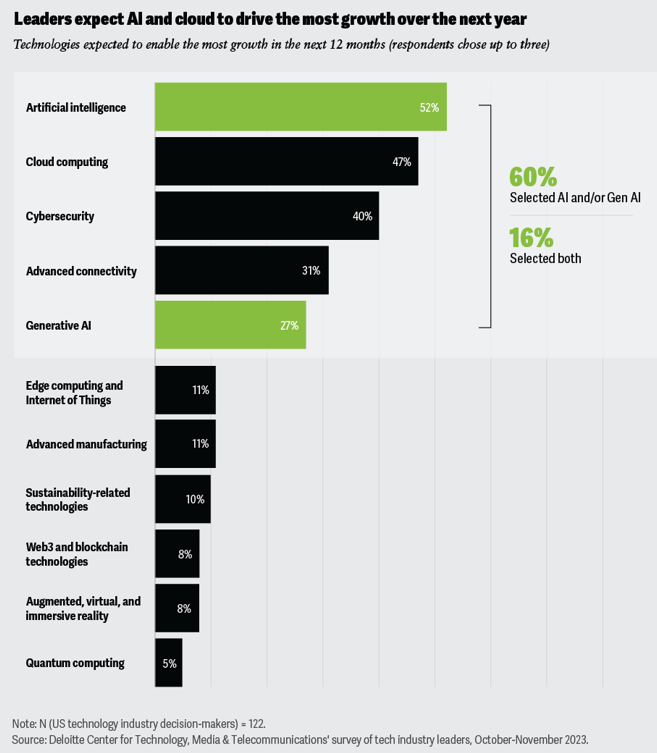
Technological advancements are not just tools for operational efficiency, but are pivotal in shaping strategic directions. For instance, companies that integrate AI into their operations can leverage data-driven insights to make faster, more informed decisions. This is essential for staying agile and responsive to market changes.
Fostering a Perpetual-Learning Culture
One striking example is the shift towards a perpetual-learning culture within organizations.
McKinsey reports that continuous learning and skill development are becoming integral to maintaining technological proficiency and innovation. Companies like Netflix have implemented platforms that integrate learning into their daily operations, ensuring that employees can continually update their skills and contribute to the company’s agility and innovation.
Strategic Integration of Technology
The integration of technology in corporate strategy not only improves efficiency, but also fosters a culture of continuous improvement and adaptability. This is crucial for companies aiming to stay ahead of the curve and meet changing market demands.
As technology continues to advance, businesses that embrace these changes and incorporate them into their strategic planning will likely gain a substantial competitive advantage.
Geopolitical Uncertainties and Corporate Strategy
Geopolitical uncertainties present significant challenges for global businesses, requiring strategies that are both resilient and adaptable. Dr. Fariborz Ghadar’s research offers vital insights into how companies can navigate these complexities effectively.
Impact of Geopolitical Changes
Geopolitical events such as trade wars, regional conflicts, and regulatory changes can disrupt global supply chains and market access.
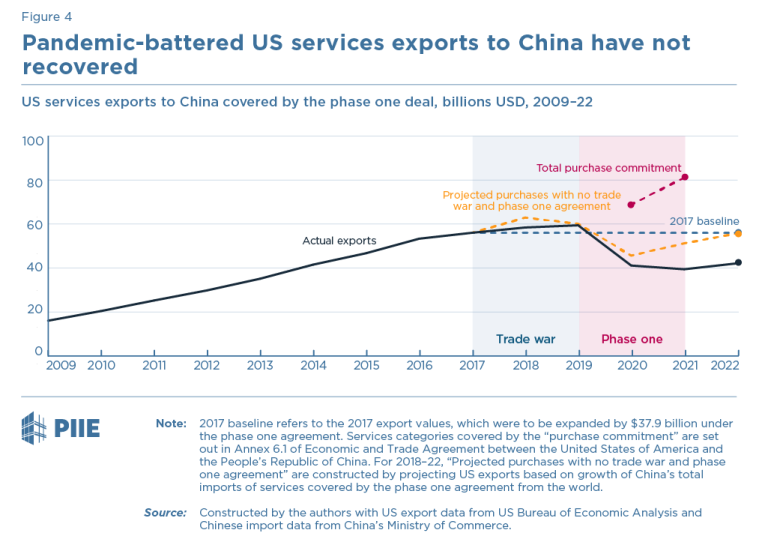
For example, the ongoing trade tensions between major economies like the US and China have led to increased tariffs and trade barriers, affecting businesses worldwide.
Developing Flexible Strategies
Flexibility is crucial in dealing with geopolitical uncertainties. Businesses should develop strategies that allow for quick adjustments in response to geopolitical events. This includes diversifying supply chains to reduce dependency on any single region and exploring alternative markets to spread risk.
According to McKinsey, companies that adapt their strategies to be more flexible are better positioned to handle geopolitical shifts and maintain competitive advantage.
Risk Mitigation and Scenario Planning
Risk mitigation and scenario planning are essential components of a robust corporate strategy. Dr. Ghadar emphasizes the importance of anticipating potential geopolitical developments and preparing for various scenarios.
This proactive approach enables businesses to identify potential risks early and develop contingency plans. For instance, during the COVID-19 pandemic, companies with effective risk management strategies were able to pivot quickly and minimize the impact on their operations.
According to McKinsey, companies that adapt their strategies to be more flexible are better positioned to handle geopolitical shifts and maintain competitive advantage.
Leveraging Technology for Strategic Advantage
Technology plays a pivotal role in helping businesses navigate geopolitical uncertainties. Advanced data analytics and AI can provide real-time insights into geopolitical trends and potential risks, allowing companies to make informed decisions.
By leveraging technology, businesses can enhance their strategic planning and improve their ability to respond to geopolitical changes swiftly and effectively.
Navigate Volatile Markets with Agile Strategies Today with ISBM
The ability to develop and implement an agile global corporate strategy is essential for business resilience and success. Drawing from Dr. Fariborz Ghadar’s extensive research, companies can navigate market volatility and geopolitical uncertainties by focusing on adaptability, technological integration, and strategic foresight.
Dr. Fariborz Ghadar discussed the critical elements of developing agile global corporate strategies at ISBM’s member meeting in mid-june. To see Dr. Ghadar’s full presentation, visit ISBM.com/library.
ISBM is a nonprofit, global network of business researchers and practitioners. Ask about how an ISBM Membership can help you now or visit ISBM today to learn more!