

The essence of customer-centricity involves a profound commitment to understanding and fulfilling the unique needs and desires of customers. This strategy not only enhances customer loyalty and satisfaction, but also drives innovation and efficiency across all service touchpoints.
At the ISBM Member Meeting in June, Niels Schillewaert showcased how deep human understanding, when integrated with strategic business applications, can dramatically enhance customer satisfaction and operational efficiency. This article draws upon case studies from Schillewaert’s presentation, focusing on how industry leaders like SkyTeam, Philips, and Anheuser-Busch have implemented successful customer-centric strategies.
Quick Takeaways
- SkyTeam boosts customer experiences by efficiently using real-time feedback through its SkyPriority Panel.
- Philips effectively incorporates customer insights throughout its product development, fostering innovation that meets customer needs.
- Anheuser-Busch employs agile methodologies to rapidly adapt products based on customer feedback, enhancing market responsiveness.
- Effective customer-centric strategies involve aligning feedback and insights across departments to improve overall customer satisfaction.
Case Studies of Industry Leaders
SkyTeam: Enhancing the Airline Alliance Experience
SkyTeam, an airline alliance, has taken significant strides in customer-centricity with its SkyPriority Panel. This initiative gathers real-time feedback across various customer touchpoints, allowing member airlines to swiftly address issues and enhance the travel experience.
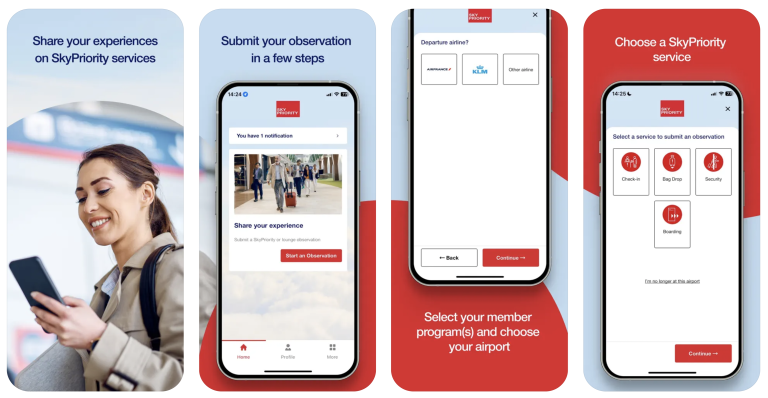
The Panel’s approach has not only improved operational excellence, but also strengthened customer focus across the alliance, leading to higher satisfaction and loyalty. This effort was recognized with an ESOMAR Silver Research Effectiveness Award, underscoring its impact in the industry.
Philips: Focusing on Customer Insights for Product Innovation
Philips has transformed its approach to product development by centering it around customer insights. By adopting a people-centric perspective, Philips has been able to innovate in ways that significantly improve user well-being.
Their method involves continuous engagement with customer needs and feedback, which has led to successful outcomes like the development of engaging and fun oral care solutions for kids, which have been met with overwhelming approval from both children and parents.

This shift not only brought about meaningful innovations, but also helped Philips maintain its edge as a leader in health technology.
Anheuser-Busch: Agile Innovation through Customer-Centric Strategies
Anheuser-Busch has redefined innovation in the beverage industry by placing a strong focus on customer-centric methodologies.
Their approach, particularly during the “iWeek” events, involves immersing executives and marketers in the customer experience to foster a better understanding of market needs. This has resulted in a significant increase in the share of innovation, with ideas moving rapidly from insight to shelf.

Anheuser-Busch’s dedication to understanding and addressing customer preferences has accelerated its product development cycle and increased its market responsiveness, demonstrating the power of customer insights in shaping business strategies.
Lessons Learned
The success stories of SkyTeam, Philips, and Anheuser-Busch highlight several pivotal lessons in customer-centricity that can guide other businesses in enhancing their service and product strategies:
1. Proactive Customer Feedback is Key
SkyTeam demonstrated that real-time feedback mechanisms are essential for timely and effective responses to customer needs. Implementing such systems not only helps in resolving issues quickly but also in making continuous improvements that enhance the overall customer experience.
Establish robust feedback channels that allow customers to easily communicate their experiences and issues. This ongoing dialogue with customers helps in fine-tuning services and products to better meet their expectations.
2. Deep Customer Understanding Drives Innovation
Philips has shown that a deep understanding of customer lifestyles and needs leads to more innovative and relevant product developments. By centering product design and features around actual user experiences and feedback, Philips has been able to create products that genuinely improve customer well-being.
Integrate customer insights into all phases of product development. This ensures that the end products are highly tailored to customer needs and fosters innovation that resonates with the target market.
3. Agility in Innovation Processes
Anheuser-Busch utilized agile methodologies to rapidly test and iterate on new ideas based on customer feedback. This approach not only sped up the innovation process but also ensured that new products were aligned with current market demands.
Adopt flexible and agile development processes that allow for quick pivoting based on customer insights and market trends. This agility can significantly reduce time-to-market and improve competitive advantage.
4. Strategic Integration Across Departments
All three companies demonstrate the importance of integrating customer-centric strategies across various departments—from marketing and R&D to customer service and operations. This holistic approach ensures that all parts of the organization are aligned with the goal of enhancing customer experience and satisfaction.
Break down silos within the organization to ensure that insights and strategies flowing from customer feedback are universally adopted and implemented. This alignment helps in creating a consistent and satisfying customer experience.
Implementing Customer-Centric Strategies
For businesses aiming to enhance their customer-centric practices, the following actionable steps, inspired by the case studies of SkyTeam, Philips, and Anheuser-Busch, provide a blueprint for success:
Break down silos within the organization to ensure that insights and strategies flowing from customer feedback are universally adopted and implemented. This alignment helps in creating a consistent and satisfying customer experience.
1. Establish Robust Feedback Mechanisms
To effectively address customer needs and adapt services swiftly, implementing diverse feedback channels such as digital surveys, social media listening tools, and direct interactions is essential.
Drawing from SkyTeam’s approach, leveraging real-time feedback can significantly enhance the responsiveness and adaptability of service offerings.
2. Integrate Customer Insights into Product Development
Forming cross-functional teams that encompass marketing, product design, and customer service is crucial for integrating customer insights throughout the product development process.
As demonstrated by Philips, embedding customer insights from the initial stages to the end of the product lifecycle ensures products continuously align with customer expectations and market trends.
3. Adopt Agile Development Processes
Implementing agile methodologies facilitates quick iterations of product development based on ongoing customer feedback, allowing for rapid prototyping and timely adjustments.
Anheuser-Busch’s use of agile processes exemplifies how companies can accelerate innovation and ensure responsiveness to customer demands.
4. Foster Interdepartmental Collaboration
Ensuring that customer insights and feedback are integrated across all business operations requires creating teams that operate across departmental boundaries.
Regular cross-departmental meetings help maintain alignment on customer-centric strategies, ensuring a unified approach to improving customer experiences.
5. Leverage Technology to Enhance Customer Understanding
Investing in advanced analytics and CRM tools helps analyze vast amounts of customer data, revealing important patterns and preferences. These insights should be used to personalize interactions and refine product offerings, ensuring technology enhances rather than replaces human connections.
6. Measure and Adapt Based on Customer-Centric Metrics
Establishing clear metrics to measure customer satisfaction, loyalty, and engagement is crucial. Regularly reviewing these metrics allows businesses to assess the impact of their customer-centric strategies and make necessary adjustments to continually enhance the customer experience.
Embrace Customer-Centricity Today with ISBM
The case studies of SkyTeam, Philips, and Anheuser-Busch, as discussed by Niels Schillewaert at the ISBM Member Meeting, illustrate the profound impact of customer-centricity on business success.
By adopting the strategies outlined, companies can not only meet but surpass customer expectations, securing a competitive advantage in their industries. These examples underscore that prioritizing customer needs is essential for sustainable growth and establishing oneself as an industry leader. For more insights, the full presentation is available now on ISBM.com/library.
ISBM is a nonprofit, global network of business researchers and practitioners. Ask about how an ISBM Membership can help you now or visit ISBM today to learn more!