

A robust B2B marketing strategy is no longer a luxury, but a necessity. According to a recent study, 91% of B2B marketers use content marketing to reach customers. This highlights the critical role that well-crafted content plays in attracting and retaining clients in the B2B space.
However, simply producing content is not enough. To truly stand out and drive results, businesses need a strategic approach that aligns with their goals and resonates with their target audience. A winning B2B content marketing strategy can position your company as a thought leader, build trust with potential clients, and ultimately drive growth.
This article will guide you through the essential steps to create a B2B marketing strategy that not only meets but exceeds your business objectives. From understanding your target audience to leveraging multi-channel distribution, we will cover everything you need to know to craft compelling content that converts.
Quick Takeaways
- Understand and identify the multiple stakeholders involved in B2B purchasing decisions to tailor your messaging effectively.
- Develop detailed buyer personas based on demographic information, job roles, pain points, goals, and decision-making criteria to guide your content creation.
- Conduct market research and engage with your audience to uncover their challenges and tailor your content to provide solutions, building trust with your audience.
- Establish specific, measurable, achievable, relevant, and time-bound goals that align with your overall business objectives and provide clear direction for your marketing efforts.
Understanding Your Target Audience
The foundation of any successful B2B marketing strategy is a deep understanding of your target audience. In the B2B context, this means identifying and thoroughly understanding the key decision-makers who have the authority to purchase your products or services.
Identifying Key Decision Makers
In B2B transactions, the decision-making process often involves multiple stakeholders, each with their own priorities and concerns. It is crucial to identify these individuals early on. This includes executives, managers, and other influencers who may impact the purchasing decision.
By understanding who these decision-makers are, you can tailor your messaging to address their specific needs and concerns.
Buyer Personas
Creating detailed buyer personas is an effective way to encapsulate the characteristics of your ideal customers. A buyer persona is a semi-fictional representation of your ideal customer based on market research and real data about your existing customers.
When developing buyer personas, consider:
- Demographic information
- Job roles
- Pain points
- Goals
- Decision-making criteria
These personas will serve as a guide for your content creation, ensuring that your messages resonate with your audience.
Pain Points and Needs
Creating detailed buyer personas is an effective way to encapsulate the characteristics of your ideal customers. A buyer persona is a semi-fictional representation of your ideal customer based on market research and real data about your existing customers.
When developing buyer personas, consider:
- Demographic information
- Job roles
- Pain points
- Goals
- Decision-making criteria
These personas will serve as a guide for your content creation, ensuring that your messages resonate with your audience.
Setting Clear Goals and Objectives
Once you have a clear understanding of your target audience, the next step is to establish clear goals and objectives for your B2B marketing strategy. These goals will guide your efforts and provide a benchmark for measuring success.
SMART Goals
One of the most effective ways to set goals is to use the SMART criteria. SMART goals are Specific, Measurable, Achievable, Relevant, and Time-bound.
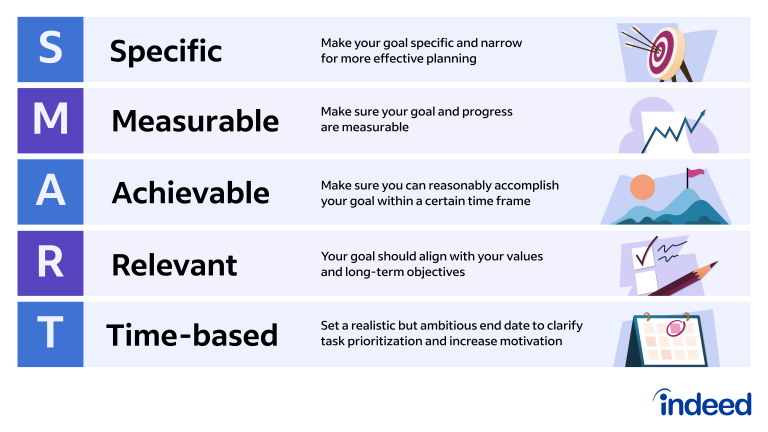
For example, instead of setting a vague goal like “increase website traffic,” a SMART goal would be “increase website traffic by 20% over the next six months.” This approach provides clear direction and makes it easier to track progress.
Aligning with Business Goals
Your marketing objectives should align with your overall business goals. This alignment ensures that your marketing efforts contribute to the broader objectives of the organization.
For instance, if your business goal is to enter a new market, your marketing strategy should focus on generating awareness and leads in that market. By aligning marketing goals with business goals, you ensure that every marketing activity has a strategic purpose.
Key Performance Indicators (KPIs)
To measure the success of your B2B marketing strategy, it is essential to identify key performance indicators (KPIs). KPIs are measurable values that indicate how effectively you are achieving your objectives.
Common KPIs for B2B marketing include:
- Lead generation
- Conversion rates
- Website traffic
- Customer engagement metrics
By regularly tracking these indicators, you can assess the performance of your strategy and make data-driven adjustments as needed.
Crafting Compelling Content
Creating content that resonates with your audience is at the heart of a successful B2B marketing strategy. Your content should not only inform and educate but also engage and inspire your target audience.
Content Types
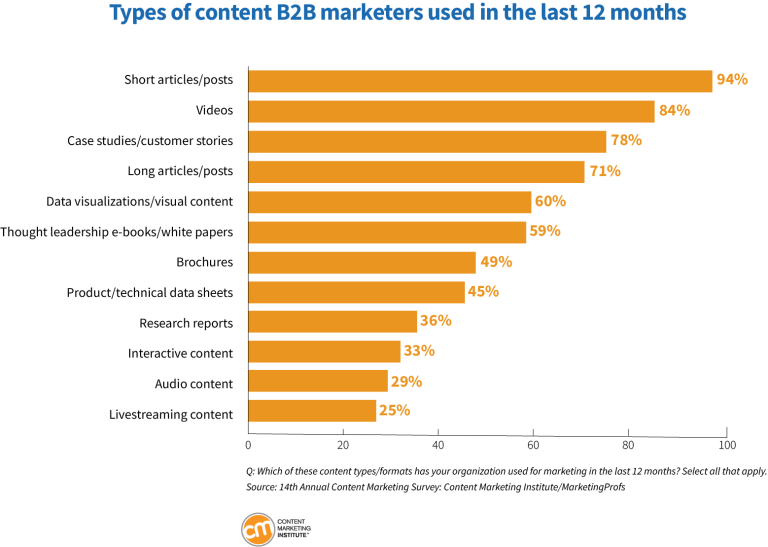
In B2B marketing, various content formats can be effective in reaching and engaging your audience. These include:
- Blogs: Regularly updated blogs can help establish your business as a thought leader in your industry. They are excellent for sharing insights, industry news, and tips.
- Whitepapers: In-depth whitepapers provide detailed information on specific topics and are valuable resources for your audience. They help in demonstrating your expertise and can be used to generate leads.
- Case Studies: Highlighting success stories of how your products or services have helped other businesses can build credibility and trust.
- Webinars: Live or recorded webinars allow you to interact directly with your audience, providing valuable insights and answering questions in real time.
- Infographics: Visual content like infographics can simplify complex information and make it more digestible and shareable.
Storytelling in B2B
Storytelling is a powerful tool in B2B marketing. It helps humanize your brand and make your content more relatable. By sharing stories of how your products or services have solved real problems for real people, you can create an emotional connection with your audience.
Use narratives that illustrate challenges, solutions, and positive outcomes to engage your audience on a deeper level.
Content Calendar
An effective content calendar is essential for planning and organizing your content efforts. It ensures that your content is consistent, timely, and aligned with your marketing goals. Your content calendar should include:
- Publication Dates: Schedule when each piece of content will be published.
- Content Types: Plan a mix of content types to keep your audience engaged.
- Topics and Themes: Identify key topics and themes that align with your marketing objectives and audience interests.
- Distribution Channels: Determine which channels will be used to distribute each piece of content.
A well-structured content calendar helps maintain a steady flow of content and allows you to plan ahead for seasonal events, product launches, and other key dates.
Leveraging Multi-Channel Distribution
To maximize the reach and impact of your content, it is crucial to leverage multiple distribution channels. This multi-channel approach ensures that your content reaches your target audience wherever they are.
Owned Media
Owned media includes channels that you control, such as your website, blog, and email newsletters. These platforms are critical for building and maintaining a direct relationship with your audience.
Ensure that your website and blog are optimized for search engines (SEO) to increase visibility and attract organic traffic. Regularly update your email newsletter with valuable content to keep your audience engaged and informed.
Earned Media
Owned media includes channels that you control, such as your website, blog, and email newsletters. These platforms are critical for building and maintaining a direct relationship with your audience.
Ensure that your website and blog are optimized for search engines (SEO) to increase visibility and attract organic traffic. Regularly update your email newsletter with valuable content to keep your audience engaged and informed.
Paid Media
Paid media includes advertising efforts such as pay-per-click (PPC) campaigns, LinkedIn ads, and sponsored content. These channels can be effective for targeting specific audiences and driving immediate traffic and leads.
When using paid media, ensure that your ads are well-targeted and your messaging is consistent with your overall marketing strategy. Regularly monitor and optimize your campaigns to achieve the best results.
Utilizing Data and Analytics
Data and analytics are essential components of a successful B2B marketing strategy. They provide insights into the performance of your content and help you make informed decisions to optimize your efforts.
Tracking Performance
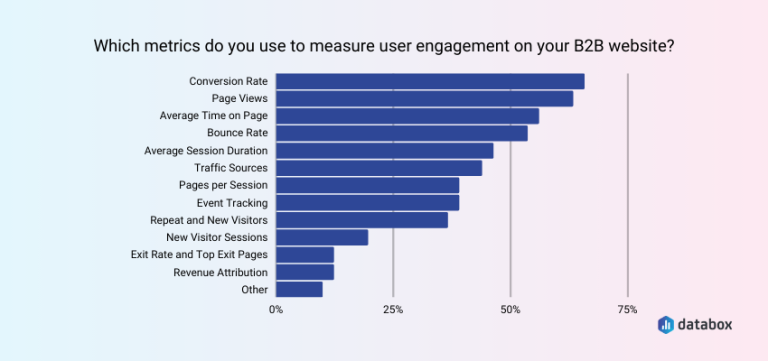
To understand how your content is performing, you need to track key metrics. Utilize tools such as Google Analytics, social media analytics, and marketing automation platforms to monitor the following:
- Website Traffic: Measure the number of visitors to your site, page views, and the sources of your traffic.
- Lead Generation: Monitor the number of leads generated through your content, including form submissions, downloads, and sign-ups.
- Engagement Metrics: Track metrics such as time on page, bounce rate, and social shares to gauge how engaging your content is.
In B2B marketing, various content formats can be effective in reaching and engaging your audience. These include:
- Blogs: Regularly updated blogs can help establish your business as a thought leader in your industry. They are excellent for sharing insights, industry news, and tips.
- Whitepapers: In-depth whitepapers provide detailed information on specific topics and are valuable resources for your audience. They help in demonstrating your expertise and can be used to generate leads.
- Case Studies: Highlighting success stories of how your products or services have helped other businesses can build credibility and trust.
- Webinars: Live or recorded webinars allow you to interact directly with your audience, providing valuable insights and answering questions in real time.
- Infographics: Visual content like infographics can simplify complex information and make it more digestible and shareable.