

In the B2B space, a well-defined brand strategy can be the difference between obscurity and industry leadership. Your brand encapsulates the essence of your company, shaping perceptions and driving customer loyalty. Developing a robust brand strategy is a necessity for businesses aiming to establish a strong market presence and differentiate themselves from competitors.
This article provides essential brand strategy tips tailored to help your business master the complexities of branding, build a cohesive and compelling brand identity, and achieve long-term success in the market.
Quick Takeaways
A brand strategy outlines how a company presents itself, incorporating mission, vision, values, and positioning to establish market presence and foster loyalty.
Conducting thorough market research helps tailor brand messaging to customer needs, aiding differentiation and growth.
Clear mission and vision statements provide direction and align with company goals, fostering commitment from employees and customers.
Identifying core brand values builds trust and loyalty, while effective positioning differentiates the brand by highlighting unique strengths.
1. Understanding Brand Strategy
A brand strategy is a comprehensive plan that outlines how a company will present itself to the market and connect with its target audience. It encompasses the company’s mission, vision, values, and overall positioning.
A strong brand strategy is crucial for establishing a distinct market presence and fostering customer loyalty. It aligns all branding efforts with the company’s broader business objectives, ensuring consistency and coherence across all touchpoints.
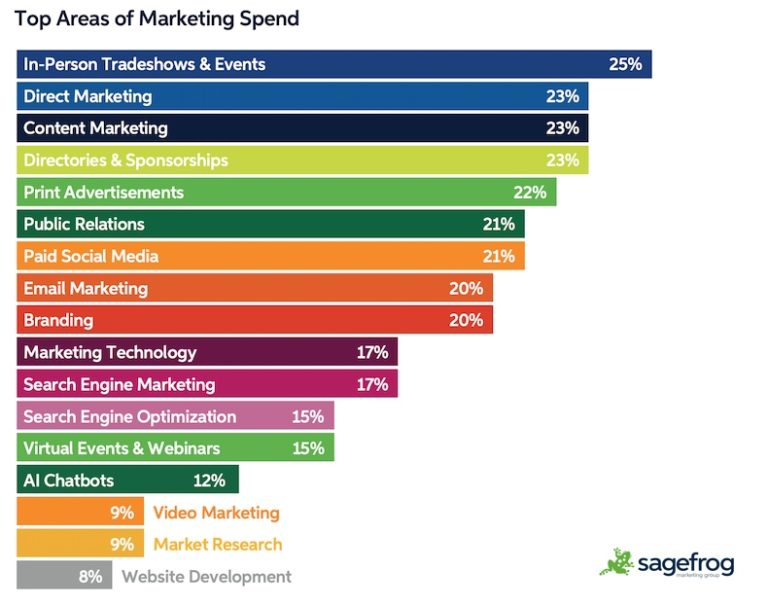
Given that 20% of B2B marketing spending in 2024 was directed towards branding, it is clear that businesses are recognizing the value of investing in a robust brand strategy to drive long-term success.
2. Conducting Market Research
Understanding the market and target audience is the foundation of an effective brand strategy. Conducting thorough market research helps you gain insights into:
Customer needs
Preferences
Behaviors
This information allows you to tailor your brand message and positioning to resonate with your audience. Utilize tools such as surveys, focus groups, and competitive analysis to gather valuable data. Effective market research not only informs your brand strategy, but also helps identify opportunities for differentiation and growth.
3. Defining Your Brand’s Mission and Vision
A clear and compelling mission and vision are integral to a successful brand strategy. The mission statement defines the core purpose of your business, while the vision statement outlines your long-term goals and aspirations. Together, they provide direction and inspiration for your brand.
To create impactful mission and vision statements, focus on what your company stands for and what it aims to achieve. Strong statements will resonate with both employees and customers, fostering a sense of purpose and commitment.
4. Identifying Brand Values and Positioning
Brand values are the principles and beliefs that guide your company’s actions and decisions. They shape your company culture and influence how customers perceive your brand. Identifying and articulating your core brand values is essential for building trust and loyalty.
Once you have defined your values, focus on positioning your brand in the market. This involves differentiating your brand from competitors by highlighting your unique strengths and benefits. Effective positioning helps establish a clear and memorable brand identity that resonates with your target audience.
5. Crafting a Unique Value Proposition
A unique value proposition (UVP) is a clear statement that explains how your product or service:
Solves your customers’ problems
Delivers specific benefits
Differentiates you from competitors
A strong UVP is crucial for capturing the attention of your target audience and convincing them of the value you offer.
To develop a compelling UVP, focus on your customers’ pain points and how your solutions address these issues better than anyone else. Ensure your UVP is concise, compelling, and easy to understand, and consistently communicate it across all marketing channels.
6. Developing Brand Messaging and Tone of Voice
Consistent messaging is a cornerstone of an effective brand strategy. Your brand message should clearly convey what your company stands for, what it offers, and why it matters to your target audience. Developing a cohesive brand message involves aligning all communications with your brand’s mission, vision, and values.
Additionally, establishing a consistent tone of voice is essential. Whether your tone is formal, friendly, authoritative, or conversational, it should reflect your brand’s personality and resonate with your audience. Consistency in messaging and tone of voice builds trust and strengthens brand identity. In fact, consistent brand presentation across all platforms can increase revenue by up to 23%.

7. Designing Brand Identity
Brand identity encompasses all the visual elements that represent your brand, including your:
Logo
Color palette
Typography
Imagery
A strong brand identity is visually appealing, memorable, and reflective of your brand’s values and personality.
When designing your brand identity, focus on creating elements that are unique and distinguishable from competitors. Consistency across all visual materials is key to building recognition and reinforcing your brand’s image. Collaborate with professional designers if necessary to ensure a high-quality and cohesive brand identity.
8. Implementing Brand Strategy Across Channels
To maximize the impact of your brand strategy, it’s essential to implement it consistently across all marketing and communication channels. This includes your website, social media, email marketing, advertising, and any other platforms where your brand interacts with customers. Consistent implementation ensures that your brand message and identity are reinforced at every touchpoint, creating a unified and professional appearance.
Additionally, regularly monitor the effectiveness of your brand strategy and be prepared to make adjustments based on performance data and market feedback. This iterative approach helps maintain relevance and effectiveness over time.
9. Measuring Brand Strategy Effectiveness
Measuring the effectiveness of your brand strategy is crucial for understanding its impact. Key performance indicators (KPIs) such as brand awareness, customer loyalty, market share, and engagement metrics provide valuable insights.
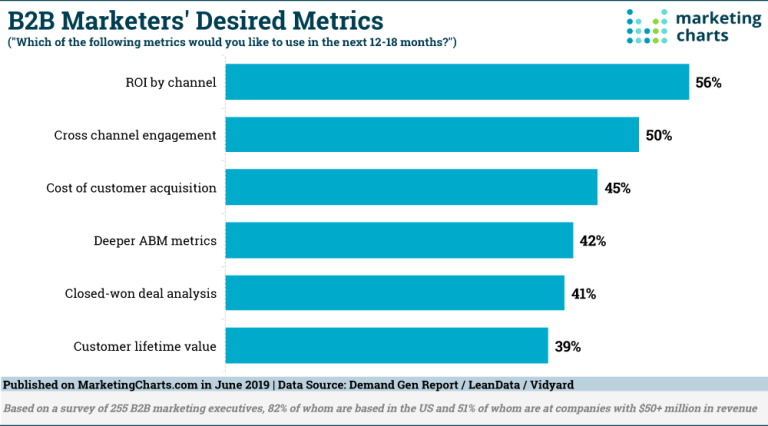
Utilize tools like surveys, focus groups, and analytics platforms to gather data on these KPIs. Regularly monitor these metrics to assess your brand strategy’s success and identify areas for improvement.
Adjust your strategy based on the data collected. For instance, if brand awareness is low, enhance your marketing efforts or revisit your messaging. Regularly measuring and refining your strategy ensures sustained growth and success.
Master Branding Today with ISBM
Developing a robust brand strategy is essential for establishing a strong market presence and achieving long-term success. By following these brand strategy tips, your business can create a cohesive and compelling brand identity that resonates with your target audience. Continuously measure and refine your strategy to ensure it remains effective and aligned with your business goals.
ISBM is a nonprofit, global network of business researchers and practitioners. Ask about how an ISBM Membership can help you now or visit ISBM today to learn more!