

B2B purchasing has moved well beyond transaction management. Now, it sits at the center of value creation, supplier collaboration, risk control, and strategic planning. Companies no longer compete as single entities; they compete as supply networks. That shift places purchasing in a position of influence across cost management, innovation readiness, and stability of operations.
Well-structured purchasing systems help firms secure reliable supply, negotiate smarter contracts, improve quality consistency, and strengthen long-term supplier relationships. Poorly structured approaches, on the other hand, create price volatility, supply disruptions, and operational delays.
The difference between the two often comes down to process clarity, data visibility, supplier alignment, and purchasing team maturity.
B2B purchasing transformation is not about replacing personnel or systems. It is about building stronger decision frameworks and treating suppliers as contributors to competitive advantage instead of interchangeable vendors.
Quick Takeaways
- B2B purchasing affects more than cost. It influences supply continuity, product quality, and customer satisfaction.
- Supplier relationships drive strategic advantage. Firms gain more value when they collaborate rather than transact.
- Data transparency improves negotiation strength and risk planning.
- Purchasing maturity requires coordination across finance, operations, logistics, and leadership.
- Continuous evaluation keeps purchasing aligned with business goals.
Why You Need B2B Purchasing for Business Performance
Purchasing decisions influence product availability, pricing, and production timelines. The purchasing process shapes how well a firm can deliver reliable value to customers. For many organizations, purchasing is still viewed mainly as a cost control function. That view limits performance.
A strategic view of B2B purchasing focuses on several goals:
- Stability of supply
- Predictable cost management
- Supplier accountability
- Quality control and improvement
- Market insight and forecasting
- Innovation through supplier collaboration
When purchasing operates with clear objectives, firms can reduce uncertainty and improve long-term planning. That stability supports stronger customer relationships and better operational performance.
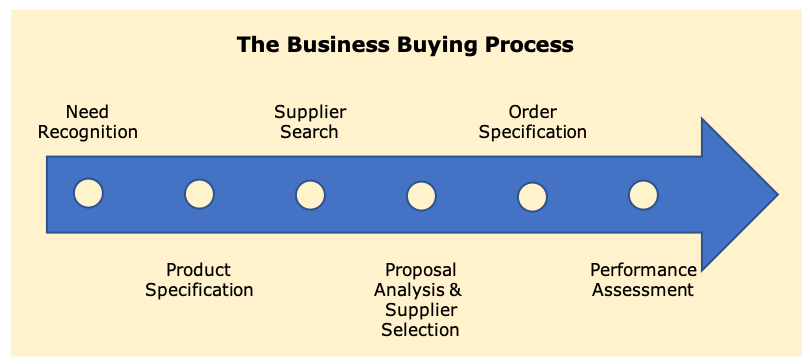
The Components of Effective B2B Purchasing
There’s a right and wrong way to go about anything. You can try B2B purchasing and be completely unsuccessful in your endeavor. Here’s how to stay on top of your game:
Clear Demand Planning
Demand planning aligns internal expectations with external supplier capacity. Firms that maintain inaccurate demand forecasts place strain on suppliers and production schedules. Improving forecasting accuracy strengthens negotiation leverage and prevents wasteful emergency orders.
Supplier Qualification and Selection
Choosing the right suppliers sets the foundation for reliability. Evaluation criteria usually include:
- Price structure
- Financial stability
- Fulfillment capacity
- Production quality
- Geographic considerations
- Compliance track record
Strong qualification processes reduce the risk of disruption later in the contract lifecycle.
Contract Clarity
Contracts define expectations and accountability. Clear contracts:
- Set pricing or pricing adjustment mechanisms
- Establish delivery schedules
- Outline quality specifications
- Define responsibilities during disputes or shortages
Consistent review and adjustment improve the stability of long-term relationships.
Performance Monitoring
Metrics guide ongoing relationship management. Common performance indicators include:
- On-time delivery rates
- Variation in pricing or costs
- Quality audit results
- Responsiveness and communication speed
Monitoring performance prevents small issues from becoming supply failures.
The Strategic Value of Supplier Relationships
B2B purchasing is stronger when suppliers are treated as partners rather than interchangeable vendors. Suppliers offer insight into market trends, raw material availability, production capacity, and new manufacturing methods.
Firms gain more value when they:
- Share production forecasts
- Collaborate on quality improvement
- Discuss future product pipeline needs
- Coordinate cost reduction efforts
Supplier relationships grounded in transparency and shared interest support reliability and reduce unexpected volatility.
In global supply networks, relationship strength often matters more than short-term pricing wins.
How Purchasing Supports Innovation
Firms that include suppliers in early product planning cycles reduce product development time and avoid rework later in production. Suppliers can inform:
- Feasibility of material sourcing
- Production method constraints
- Unit cost implications
- Sustainability impacts
- Quality tradeoffs
Suppliers have firsthand knowledge of what is possible. Leveraging that knowledge strengthens innovation output and shortens time-to-market.
Digital Tools for B2B Purchasing
Digital systems enhance purchasing visibility and process efficiency. Key tools include:
| Tool Type | Primary Benefit | Common Use Cases |
|---|---|---|
| ERP Systems | Centralized data management | Inventory tracking, supplier records |
| E-Procurement Platforms | Standardized purchasing workflows | Purchase order automation |
| Contract Management Tools | Document version and compliance tracking | Renewal alerts, contract audits |
| Supplier Portals | Communication efficiency | Forecast sharing, dispute resolution |
| Analytics Dashboards | Data-driven decision support | Cost trend analysis, performance KPIs |
Digital transformation alone does not improve performance. The tools must support a clear strategy and be adopted consistently across functional teams.
Developing Internal Purchasing Capability
High-performing purchasing teams have several shared traits:
- Understanding of total cost drivers, not just price
- Strong communication skills across departments
- Analytical ability to interpret data trends
- Awareness of supplier industry conditions
- Ability to negotiate based on value and risk, not only rate
Continuous training ensures that purchasing teams stay aligned with business goals and external market changes.
Cross-functional alignment also matters. Purchasing interacts closely with finance, operations, logistics, product development, and leadership. Poor internal coordination creates confusion and inconsistent expectations for suppliers.
Expanding Purchasing Capability Through Supplier Intelligence
Supplier intelligence plays a direct role in how purchasing teams plan, negotiate, and respond to market pressure. Firms gain stronger control over cost and continuity when they understand supplier constraints, pricing drivers, and capacity limits. Supplier intelligence allows teams to build clearer expectations and reduce uncertainty during contract cycles.
Supplier insight also affects internal planning. Teams that understand supplier lead times, material availability, and production changes can adjust schedules before delays surface. Better awareness prevents hidden bottlenecks and prepares the rest of the organization for shifts in demand or supply. Internal partners depend on this visibility to maintain production flow, customer commitments, and financial forecasts.
Strengthening Collaboration Inside the Organization
Purchasing performance improves when departments work with a shared set of priorities. Finance, operations, logistics, and product teams each influence how suppliers perform. Misalignment slows decisions, increases risk, and clouds accountability.
Clear internal collaboration supports:
- Unified demand planning
- Accuracy in cost forecasting
- Faster approvals for supplier adjustments
- Transparency in quality or delivery issues
- Earlier identification of risk exposure
Cross-functional communication reduces breakdowns that often appear during production peaks, product launches, or unexpected supply shifts. Firms gain smoother coordination and fewer surprises when purchasing shares data early and consistently.
Preparing for Market Shifts
B2B purchasing teams face constant changes in pricing, regulations, and global logistics. Strong purchasing frameworks make these shifts easier to manage. Firms that track supplier markets and cost drivers respond faster to raw material swings and policy changes. This preparation supports financial stability and prevents reactive decision-making.
Market readiness also involves scenario planning. Purchasing teams should review alternative supplier options, potential contract adjustments, and contingency paths. Scenario planning reduces the impact of supply shortages and supports faster recovery during disruptions. Organizations with proactive purchasing strategies stay competitive when external conditions tighten.
Embedding Continuous Improvement
Continuous improvement raises purchasing maturity over time. Teams that evaluate their processes regularly gain a clearer picture of what strengthens performance and what holds them back. Reviews should focus on data quality, role clarity, supplier performance outcomes, and alignment with broader business goals.
Routine evaluation supports:
- Updated qualification standards
- Stronger negotiation frameworks
- Better supplier monitoring tools
- More accurate internal planning methods
- Training for skill growth across the team
Incremental improvements keep purchasing aligned with the organization’s long-term direction. Firms that focus on discipline, clarity, and measurement build purchasing systems that support growth rather than slow it down.
Measuring the Impact of B2B Purchasing
Purchasing teams should demonstrate their impact through data. Effective measurement includes:
- Reduction in cost variability
- Improvement in supplier delivery performance
- Reduction in defects or returns
- Increased contract compliance rates
- Improved time-to-market for new products
- Decrease in emergency purchasing or expediting
Leadership evaluation should go beyond cost savings. Stability and resilience are strategic outcomes that support long-term revenue stability.
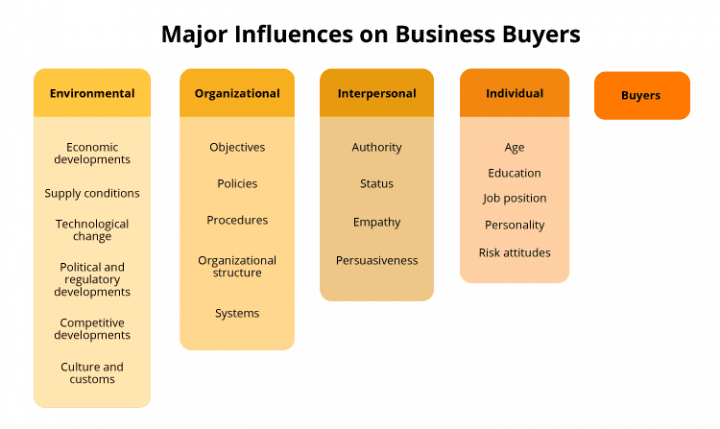
Mistakes in B2B Purchasing
Several recurring issues limit the effectiveness of purchasing programs:
| Issue | Impact | Prevention Approach |
|---|---|---|
| Overemphasis on lowest price | Quality or delivery problems | Evaluate total cost, not only price |
| Lack of structured supplier performance review | Decline in service reliability | Implement KPIs and scheduled reviews |
| Poor internal forecasting | Supply shortages or waste | Align planning across sales and operations |
| Infrequent contract review | Misaligned terms and outdated pricing | Conduct annual or quarterly adjustments |
| Limited communication with suppliers | Slow response to disruptions | Maintain regular supplier check-ins |
Preventing these issues requires consistency and role clarity, not additional complexity.
Steps to Strengthen Your B2B Purchasing Approach
You (and your buyers) should feel confident and in control. How is that obtainable?
- Clarify performance expectations before supplier selection.
- Standardize purchasing processes across business units.
- Establish data governance to ensure accuracy and access.
- Create a supplier scorecard that reflects strategic priorities.
- Implement regular performance and contract reviews.
- Build cross-functional feedback loops to refine planning.
- Develop training programs that support continuous improvement.
Progress does not require immediate full-scale change. Small process improvements build stability over time. Baby steps – success doesn’t happen overnight.
B2B Purchasing Can Transform Your Business
Stronger purchasing systems reduce uncertainty, improve operational continuity, and reinforce customer trust. Firms that treat purchasing as a strategic capability gain numerous long-term advantages.
The goal is not only to negotiate better pricing. The goal is to build resilient supply relationships, develop internal capability, and align purchasing decisions with business outcomes. The firms that invest in these practices position themselves for stronger performance and more predictable growth.
ISBM can help you stay ahead of the curve by connecting you with practical, research-driven insights into how B2B marketing is evolving. Through expert resources and peer collaboration, we provide the knowledge base and support needed to make informed decisions – especially in fast-changing areas like business market segments. We provide open courses and customized education programs for your marketing teams. Become a member today!