

Artificial intelligence has made its way into B2B marketing for good. From market research, predictive analytics and audience targeting to content creation and customer journey automation, AI now supports nearly every major marketing function. Yet as adoption skyrockets, so does the gap in understanding how well teams can use these tools.
AI literacy – the ability to understand, evaluate, and use AI tools effectively – is a major skill for marketers. Measuring it helps leaders identify training needs, evaluate adoption, and track business impact. But because AI literacy includes both technical and strategic elements, it’s not easy to quantify.
Below are five quick takeaways to set a foundation for measuring AI literacy across marketing organizations.
Quick Takeaways
- AI literacy includes awareness, application, and critical evaluation – not just tool usage.
- Assess both team and organizational readiness.
- Track skill development through measurable frameworks and performance indicators.
- Align literacy measurement with marketing outcomes and business goals.
- Use AI-driven tools to evaluate learning progress and adoption.
Measuring AI Literacy
B2B marketers are under terrific pressure to deliver measurable results. AI promises faster insights and stronger ROI, but only when users know how to apply it correctly. Teams that ignore AI literacy misinterpret data, over-rely on automation, or underuse advanced features.
Without measurement, it’s impossible to know whether your investment in AI tools is delivering value. Measuring AI literacy helps organizations:
- Identify gaps in knowledge and confidence
- Plan targeted training and resource allocation
- Set benchmarks for adoption
- Demonstrate ROI from technology investments
Companies that track literacy over time can link education efforts directly to performance outcomes like lead quality, conversion rates, and campaign efficiency.
Defining AI Literacy in Marketing
AI literacy extends far beyond knowing how to operate software. It combines technical understanding, data interpretation, and ethical awareness. For marketers, it includes:
- Conceptual Knowledge: Understanding how machine learning, automation, and predictive modeling work.
- Practical Application: Using AI tools in campaign management, audience segmentation, and performance analysis.
- Data Judgment: Knowing when to trust AI recommendations and when to question them.
- Ethical Awareness: Recognizing bias, privacy risks, and the limits of AI-generated insights.
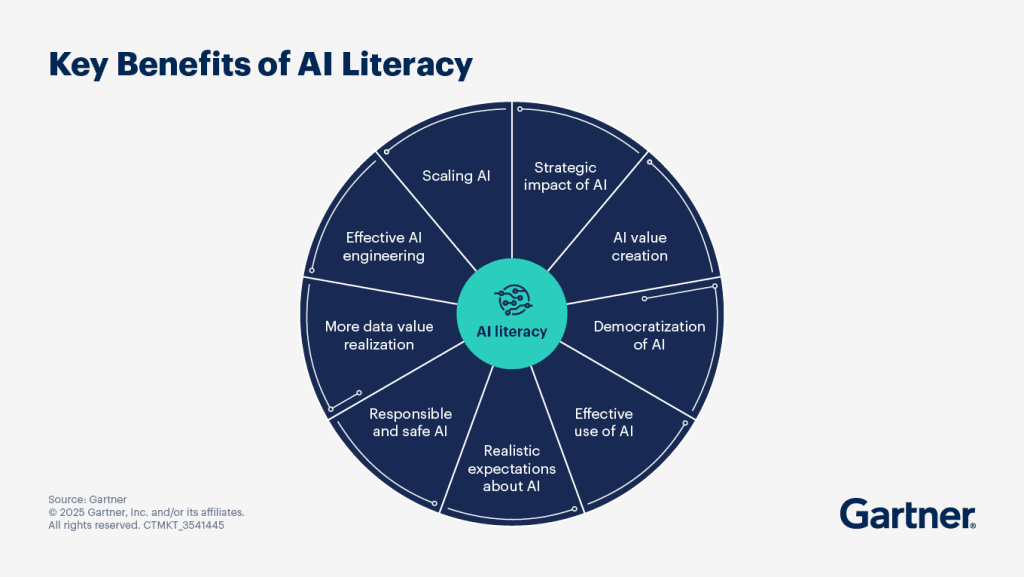
High AI literacy allows marketers to combine human intuition with algorithmic efficiency. Teams with these skills can evaluate tools critically, understand how outputs are generated, and use results to guide decisions confidently.
Building a Framework for Measurement
Creating a measurement framework helps organizations assess AI literacy consistently. It should include both quantitative and qualitative measures across several areas.
1. Knowledge Assessment
Start by evaluating team understanding of AI concepts and their relevance to marketing. This might include short surveys, quizzes, or certification tests. Common topics include:
- Machine learning and predictive analytics basics
- Data ethics and responsible AI
- AI use cases in marketing automation and personalization
Knowledge assessments reveal general awareness levels and highlight where education programs should focus.
2. Application and Proficiency
Knowing about AI isn’t the same as knowing how to use it. Measure real-world proficiency through performance metrics. Examples include:
- Adoption rates of AI tools within campaigns
- Efficiency improvements in targeting or segmentation
- Reduction in manual reporting through AI automation
Tracking progress over multiple quarters helps determine whether literacy translates into practical results.
3. Collaboration and Confidence
AI adoption isn’t only technical, it’s cultural. Teams need to feel comfortable using and discussing AI. Measuring collaboration and confidence involves observing:
- How often AI insights inform decision-making
- Frequency of team-led AI experimentation or testing
- Willingness to adjust workflows based on AI outputs
Regular feedback sessions and cross-department reviews help identify where cultural barriers exist and where leadership should encourage open discussion about AI’s role.
Metrics That Reflect Real Progress
Quantifying AI literacy should focus on results, not just knowledge retention. Some useful metrics include:
- AI Tool Utilization Rate: Percentage of campaigns using AI-driven elements.
- Decision Quality Index: Number of AI-supported decisions aligned with campaign goals.
- Training Completion Rates: Progress through internal or external AI learning programs.
- Confidence Scores: Self-assessment ratings from employees before and after training.
- Performance Impact: Direct correlation between AI tool usage and improved campaign metrics.
Combining these indicators paints a clear picture of where the organization stands and what support teams still need.
Using AI Tools to Measure AI Literacy
Ironically, AI itself can help measure literacy. Modern learning and analytics platforms use AI to monitor engagement, identify learning gaps, and predict knowledge retention.
For example, adaptive learning systems can adjust training material in real time based on user responses. If someone struggles with interpreting AI-driven analytics, the system can provide extra lessons or simulations until mastery is demonstrated.
AI tools can also analyze workflow data to identify who’s using automation effectively. This type of measurement captures behavioral change, not just self-reported understanding.
Common Mistakes When Measuring AI Literacy
Even well-intentioned programs can miss the mark. Some of the most frequent mistakes include:
1. Focusing Only on Technical Skills
Understanding algorithms isn’t enough. Marketing teams also need to know how AI affects communication, strategy, and customer experience.
2. Ignoring Cultural Resistance
If employees feel threatened by automation, they may avoid using AI tools. Measuring literacy should also consider engagement and mindset.
3. Using Static Assessments
AI literacy evolves quickly. Testing once a year won’t capture new skill gaps. Ongoing assessment keeps training relevant and continuous.
4. Not Linking Learning to Business Impact
If you can’t tie literacy metrics to marketing outcomes, leadership will see training as cost instead of value. Show how improved literacy drives measurable gains.
5. Overlooking Ethics and Bias
AI decisions can influence brand perception and compliance. Ethical understanding must be part of literacy evaluation.
Integrating AI Literacy Into Broader Marketing KPIs
AI literacy shouldn’t exist in isolation. It connects directly to marketing performance indicators like:
- Lead quality improvement
- Personalization accuracy
- Time to insight reduction
- ROI from campaign optimization
- Customer engagement lift
When teams become more literate, they use AI data more strategically, improving both efficiency and creativity. Integrating literacy measures into quarterly reports helps show how learning translates into competitive advantage.
Practical Steps to Build a Continuous Literacy Program
1. Start with a Baseline
Survey your marketing team to understand comfort levels and current tool usage. Use that data to set initial benchmarks.
2. Design Tiered Learning Paths
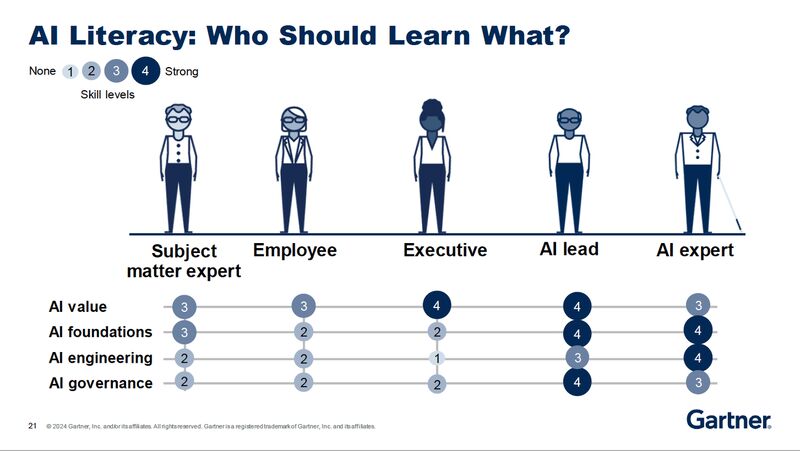
Not everyone needs the same training. Create beginner, intermediate, and advanced tracks based on roles. Analysts may need technical depth, while strategists may focus on data interpretation.
3. Combine Learning with Practice
Encourage hands-on experimentation. Assign projects where teams use AI to forecast results or segment audiences. Practical use reinforces theory.
4. Incorporate Peer Learning
Host internal workshops or “AI clinics” where employees share use cases and lessons. Peer-to-peer education strengthens understanding and adoption.
5. Review Progress Regularly
Set quarterly reviews to measure growth in literacy and adjust training as tools evolve. Continuous improvement keeps teams aligned with emerging best practices.
How AI Literacy Shapes the Future of B2B Marketing
As AI becomes more central to marketing operations, literacy will define success. Teams that understand how to interpret data, audit algorithmic outputs, and apply automation strategically will outperform those relying on guesswork or manual effort.
In 2025 and beyond, AI literacy isn’t just about knowing how technology works – it’s about understanding its implications for decision-making, creativity, and ethics. Measuring literacy helps organizations stay proactive rather than reactive as AI continues to reshape marketing.
Is Your Team Ready to Measure AI Literacy?
Evaluating AI literacy isn’t a one-time project. It’s an ongoing process that aligns with every major marketing initiative. Teams that take measurement seriously will see clearer returns on technology investments and a stronger ability to innovate responsibly.
ISBM can help you stay ahead of the curve by connecting you with practical, research-driven insights into how B2B marketing is evolving. Through expert resources and peer collaboration, we provide the knowledge base and support needed to make informed decisions – especially in fast-changing areas like business market segments. We provide open courses and customized education programs for your marketing teams. Become a member today!