

High-quality B2B corporate communications are the foundation of trust, credibility, and partnerships that last, forming a strong business to business communication strategy. In a crowded market where businesses are bombarded with messages, clear and effective communication is what separates organizations that thrive from those that struggle to get anywhere.
Done right, B2B corporate communications create alignment between leadership, employees, and external partners while helping every B2B business leader project a consistent, reliable voice to the market.
Quick Takeaways
- Effective B2B corporate communications build trust with partners and stakeholders.
- Clear internal messaging aligns teams and supports better decision-making.
- Consistency across channels strengthens your B2B marketing brand reputation.
- Listening is as critical as delivering messages.
- Data-driven communication strategies deliver measurable results.
Why B2B Corporate Communications Are Important for a Business to Business Communication Strategy
In B2B markets, purchase decisions involve multiple decision-makers, long sales cycles, and high financial stakes.
Messages must not only inform but also reassure, persuade, and demonstrate long-term stability. When communication lacks clarity or consistency, businesses risk losing credibility and weakening relationships.Strong B2B corporate communications bring focus to both internal and external audiences.
Internally, teams gain clarity on business goals, values, and direction.
Externally, partners and stakeholders receive consistent messages that build trust and confidence. This dual role is what makes communication strategy so central to B2B growth.
Make Messaging Clear
Clear messaging is the starting point for effective communication. Without a shared understanding of purpose and values, it becomes difficult to align both employees and external partners. Best practices include:
- Developing a messaging framework that outlines core values, goals, and positioning.
- Keeping language simple and precise to avoid confusion.
- Ensuring leadership communicates these messages consistently across all touchpoints.
Clarity provides stability, which is essential in B2B environments where decisions can involve significant investments and risk.
Building Alignment Inside the Organization
Communication is not just an external activity. Internal communications drive alignment across teams and departments. Employees who understand the direction of the company are better equipped to act with confidence and make decisions that support long-term goals.
Effective internal B2B communications heavily involve:
- Regular leadership updates that provide transparency about progress and challenges.
- Two-way communication channels that allow employees to ask questions and share feedback.
- Training sessions and resources to keep teams aligned on strategy and policies.
When employees feel informed and included, they become advocates who carry consistent messages into external conversations.
Always Be Consistent
Consistency builds credibility. Inconsistent communication erodes trust and creates doubt about whether the business can deliver on its promises. Consistency means:
- Using the same core language and tone across all platforms.
- Ensuring different departments present unified messages when interacting with partners.
- Documenting communication standards in style guides and playbooks.
Over time, this repetition strengthens recognition and reinforces the company’s position as reliable and dependable.
Do You Hear What I Hear?
Communication is not only about speaking.
Listening is just as valuable. In B2B settings, where relationships often last for years, listening demonstrates respect and a willingness to adapt.
Ways to strengthen listening practices include:
- Gathering feedback through surveys, meetings, and reports.
- Monitoring engagement across digital channels.
- Creating processes to analyze and act on feedback promptly.
Businesses that treat communication as a two-way exchange position themselves as trusted partners rather than distant entities.
Communicate Through Data
Even with clear strategies, challenges often arise. Common barriers include:
- Information overload, which makes it difficult for messages to stand out.
- Misalignment between leadership and teams, leading to mixed signals.
- Rapid changes in markets or regulations that require quick adjustments in messaging.
Addressing these challenges requires discipline and a willingness to adapt while staying true to the company’s core principles.
B2B Corporate Communications Have Their Hiccups
Modern B2B corporate communications benefit greatly from data. Metrics allow organizations to measure effectiveness and refine strategies over time. Best practices for data-driven communication include:
- Tracking engagement rates across newsletters, webinars, and announcements.
- Using analytics tools to measure website traffic and interaction with key content.
- Applying insights from surveys to identify gaps and opportunities in messaging.
Data ensures that communications are not based on assumptions but informed by actual behavior and results, reinforcing the value of B2B marketing.
Integrating Digital Channels
Digital channels play an increasing role in B2B communications. From email campaigns to professional networks, digital platforms provide efficient ways to reach wide audiences. However, success requires coordination.
Best practices include:
- Developing a unified content calendar across platforms.
- Ensuring visual and written communication aligns with brand standards.
- Responding quickly to inquiries or comments to maintain trust.
Digital tools amplify messages but must be carefully managed to avoid mixed signals or inconsistent voices.
Building Thought Leadership Through Communication
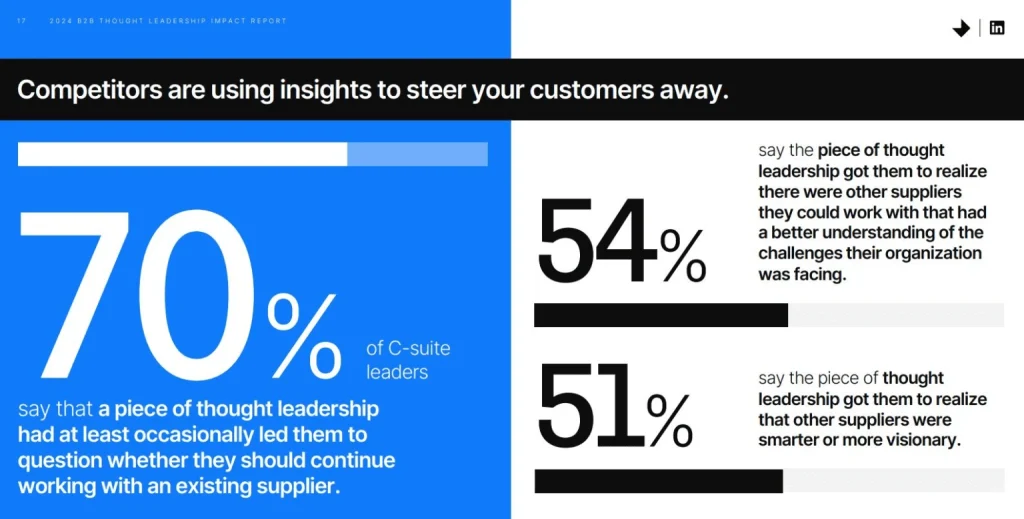
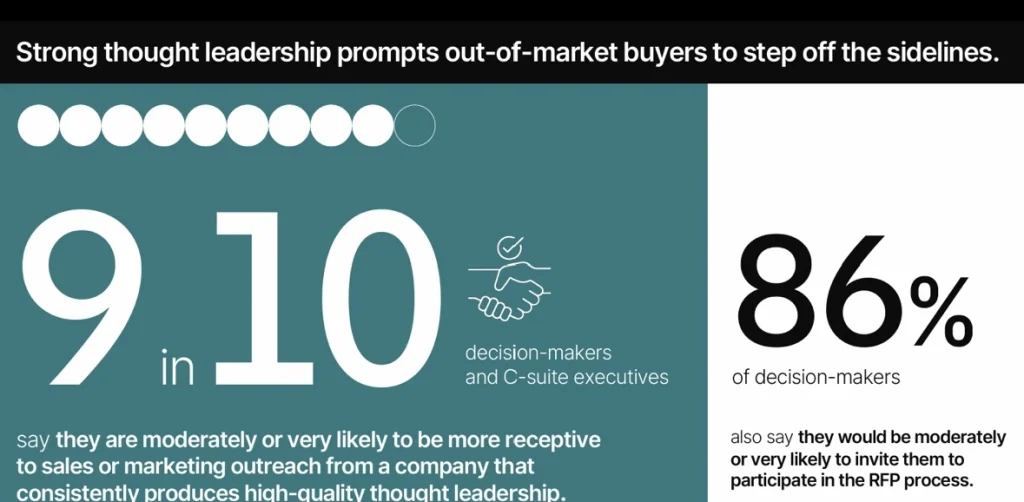
Thought leadership strengthens B2B corporate communications by positioning a company as a trusted voice in its industry, especially through storytelling in B2B. When messages consistently share research, insights, and experience, they demonstrate credibility. Over time, this positions the business as a go-to resource for decision-makers and partners.
Share Knowledge That Matters
Strong thought leadership doesn’t come from broad claims. It comes from specific, actionable knowledge delivered in clear language. Case studies, industry reports, and practical tips resonate more with stakeholders than generic commentary. By focusing on how communication addresses real challenges, businesses show they understand their market.
Keep Messages Consistent
Consistency across channels matters. Articles, webinars, interviews, and presentations should all reflect the same voice and values. That alignment reinforces authority and prevents confusion about what the company stands for.
Stay Responsive
Thought leadership also depends on listening. Companies that address emerging regulations, technology changes, or new partner concerns show adaptability. By combining expertise with responsiveness, organizations build long-term trust and respect through strong B2B corporate communications.
Training Teams for Communication Excellence
No B2B corporate communications strategy succeeds without employee participation. Even the best-crafted messages fall short if teams aren’t prepared to deliver them consistently. Training equips employees with the knowledge and confidence to communicate effectively both internally and externally.
Build Practical Skills
Workshops, role-playing, and digital training tools give staff the opportunity to practice and refine their communication skills. From handling partner questions to presenting updates clearly, these sessions create a unified approach across departments.
Strengthen Listening Habits
Training also reinforces the importance of active listening. Employees who know how to ask questions, acknowledge concerns, and respond thoughtfully help build trust at every level. This is especially valuable in B2B environments, where long-term partnerships depend on the quality of communication.
Keep Teams Updated
Regular refreshers keep employees aligned as business goals evolve. Leadership can update staff on new strategies, products, or policies while reinforcing best practices. Documenting updates in guides or playbooks gives teams a reliable reference point.
By investing in training, businesses create consistency, reduce misunderstandings, and strengthen brand culture. Trained employees not only project professionalism but also reflect company values in every interaction.
Corporate Social Responsibility and Transparency
Modern B2B communication extends beyond products and services. Stakeholders often want to understand how a company operates, including its ethical standards and commitment to responsibility.
Communicating about sustainability, diversity, and governance builds credibility. Transparency in reporting progress or setbacks further strengthens trust. By openly sharing these aspects, businesses show they are not only profit-driven but also aligned with broader social expectations.
Future Directions in B2B Corporate Communications
Looking ahead, B2B communications will continue to evolve as technology and expectations change. Some areas to watch include:
- Greater integration of real-time communication tools.
- More personalization in messaging as data becomes more precise.
- Stronger emphasis on security and privacy in digital interactions.
Staying adaptable will be key as markets and technologies continue to shift.
Work Toward Strengthening Your B2B Corporate Communications
B2B corporate communications are at the core of building strong, lasting relationships. Clear messaging, internal alignment, consistency, active listening, and data-driven strategies form the foundation of success.
As markets become more competitive and digital channels expand, organizations that prioritize effective communication will build better reputations and more trust.
ISBM can help you stay ahead of the curve by connecting you with practical, research-driven insights into how B2B marketing is evolving. Through expert resources and peer collaboration, we provide the knowledge base and support needed to make informed decisions—especially in fast-changing areas like business market segments. We provide open courses and customized education programs for your marketing teams. Become a member today!