

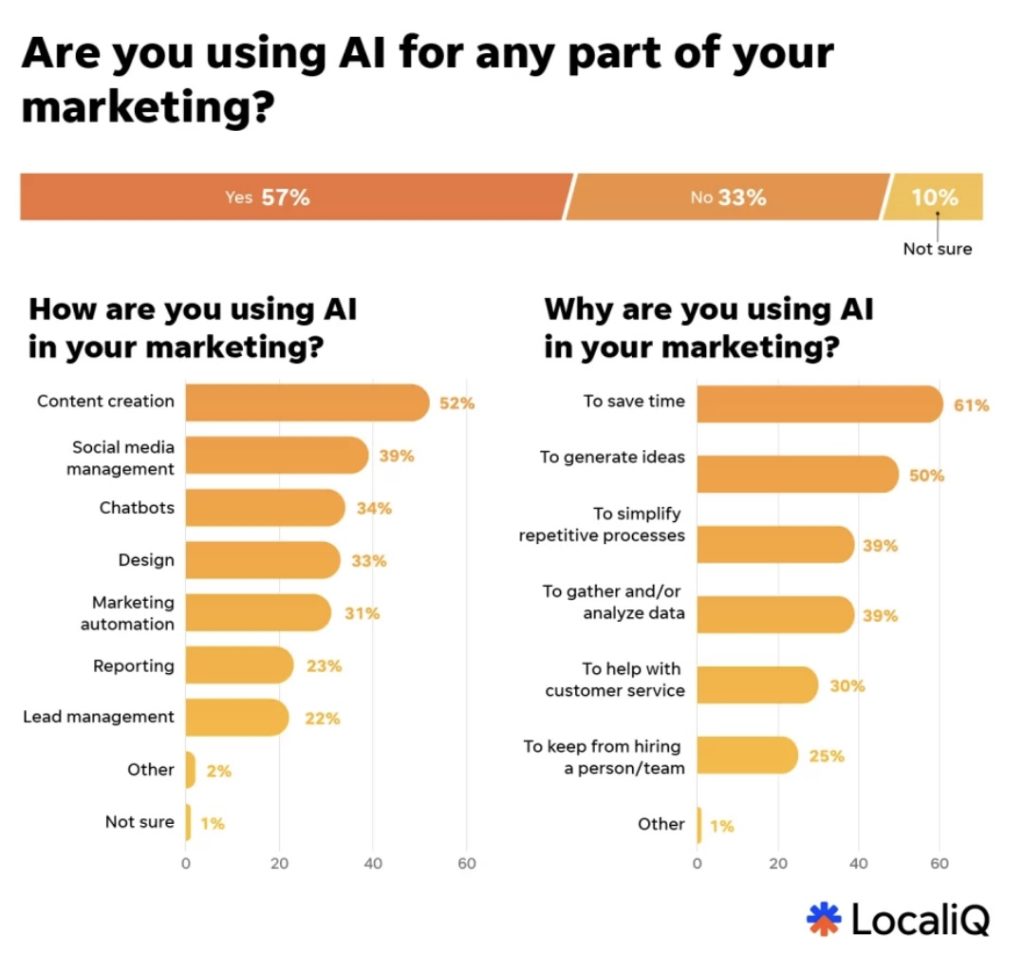
Artificial intelligence isn’t an emerging technology for marketing anymore. It’s a major part of day to day operations for at least 43% of executives. For C-level marketing agencies, the ability to understand, evaluate, and strategically direct AI initiatives is becoming a business requirement.
Leaders who don’t take AI literacy seriously risk making decisions based on incomplete information, overestimating capabilities, or missing out on measurable growth opportunities.
However, AI literacy in this context doesn’t mean learning to code or building algorithms from scratch. It means knowing enough to guide strategy, evaluate vendor claims, assess risks, and make sure AI adoption aligns with both business objectives and operational capabilities.
Quick Takeaways
- AI literacy is strategic, not technical. Executives need to understand applications, limitations, and business impacts—not programming syntax.
- Understanding data readiness is essential. Poor data quality will limit or distort AI output, no matter how advanced the tool.
- AI adoption should align with measurable business goals. Technology for its own sake rarely delivers ROI.
- Risk and compliance oversight cannot be outsourced entirely. Executives must ensure AI systems meet brand, legal, and ethical standards.
- Change management is part of AI literacy. The success of any AI initiative depends on team adoption and integration into existing processes.
Why C-Suite Executives Need AI Literacy
Decisions about AI investments often happen in the C-suite, yet technical teams may have more context than leadership. This imbalance can lead to overreliance on vendor promises or internal proposals without fully understanding operational consequences.
Executives who are AI-literate can:
- Ask the right questions
- Challenge assumptions
- Direct investments toward highest-impact uses
For marketing agencies, this may involve evaluating AI tools for campaign optimization, content personalization, or predictive analytics. Without a baseline understanding of how these tools process and use data, leaders risk green-lighting projects that drain resources without improving outcomes.
Data Readiness and Integration Challenges
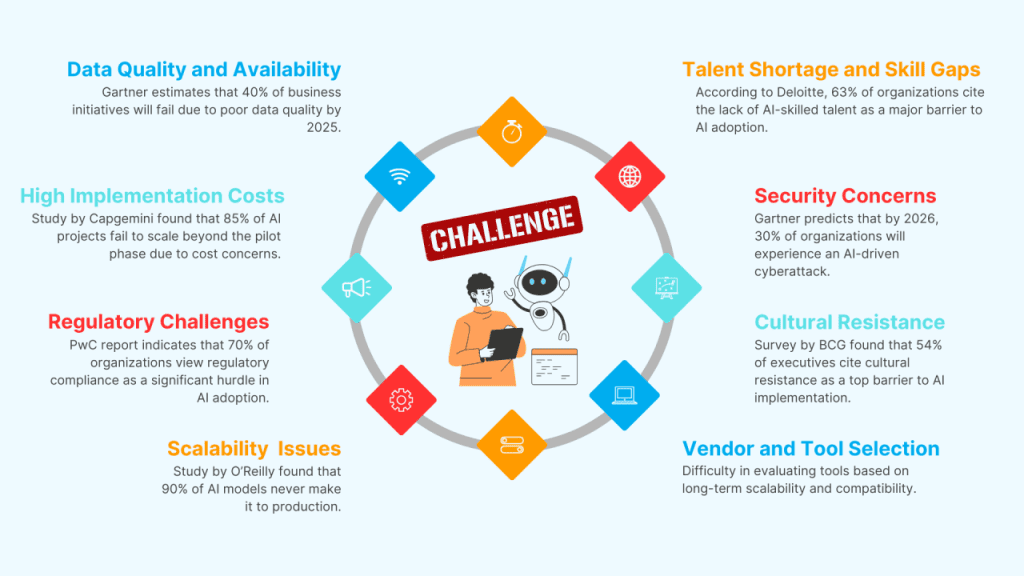
AI systems are only as reliable as the data they use. For agencies, this often means unifying multiple data sources (CRM records, campaign performance data, audience segments, and third-party insights) into a structure that AI tools can process.
Executives need to make sure teams have both the capability and the mandate to clean, organize, and maintain data before AI adoption begins.
Integration is another factor. AI tools work best when they are part of a connected ecosystem. A C-level perspective is needed to align marketing technology stacks, automation platforms, and reporting systems so AI outputs are actionable, not siloed.
Measuring ROI Beyond Surface Metrics
Campaign timing matters. Too early and you’re irrelevant. Too late and you’ve lost interest. AI can predict the best time to reach out based on data patterns and user signals.
Predictive models analyze:
- Time since first engagement
- Frequency of content interaction
- Buying cycle length from leads that converted previously
- External signals like industry events or market timing
When a pattern repeats, AI predicts when a lead is most likely to respond. That triggers follow-up sequences—from reminders to offers to schedule a call. These sequences are automated but adapt according to observed behavior. Leads that fall out of schedule automatically move to re‑engagement campaigns.
This use case helps minimize wasted touches and maximizes relevance by timing outreach precisely when the prospect is most receptive.
Risk, Compliance, and Brand Protection
Marketing agencies handle large volumes of sensitive and proprietary data. AI tools that process this data must comply with privacy laws, brand guidelines, and ethical standards. Executives cannot fully outsource this responsibility—oversight at the top ensures that AI-driven initiatives don’t expose the business to unnecessary risk.
An understanding of model transparency, bias detection, and content monitoring allows leaders to make informed choices about vendors and internal development.
Building a Company-Wide Foundation for AI Literacy
Executives who understand the basics of AI can lead from a position of clarity, but lasting results require that knowledge to filter through the organization. When only leadership has the skills, decision-making becomes bottlenecked, and teams are left unsure about how to execute.
Creating a company-wide foundation for AI literacy makes sure strategy and implementation move in sync.
What Does AI Mean to the Company?
This process starts with defining what AI means in the context of your agency’s work. That could include automating campaign optimization, analyzing large volumes of consumer behavior data, or managing workflow efficiency.
From there, leaders should work with department heads to set up structured training that addresses each team’s responsibilities. Data teams may focus on model accuracy and bias prevention, while account strategists might learn how to interpret and communicate AI-driven insights to clients.
Document Everything—You Might Need it Later
Standardized documentation also plays an important role. Maintaining accessible internal guides, policy documents, and reference material helps prevent misalignment between technical teams and decision-makers. It also supports compliance and governance, as every team has clear boundaries for what data can be used and how systems should be monitored.
Building this literacy at every level creates a shared vocabulary, reducing misunderstandings and enabling faster, more coordinated action.
Measuring the Business Impact of AI Initiatives
For executives, AI literacy is not an abstract skill. It’s directly tied to measurable business results.
The value of AI in marketing agencies depends on how effectively it improves performance metrics such as campaign ROI, operational efficiency, and decision-making speed. Without tracking these indicators, investments risk becoming ongoing costs without clear justification.
Align Your Teams
Leaders should work with analytics teams to establish benchmarks before implementing AI-driven processes. That means tracking current performance in areas where AI will be introduced, whether it’s lead scoring, media buying, or content performance analysis.
Comparing pre- and post-implementation results offers tangible evidence of impact and provides insight into where refinements are needed.
High Value = Business Growth
It’s equally important to look beyond surface-level wins. An AI tool might save the team time, but if that time is not reinvested into high-value work—such as creative development or deeper strategic planning—the real gains are lost.
Executives should regularly review AI-driven operations with a business growth mindset, asking whether the technology is helping the agency secure higher-value projects, expand service offerings, or improve long-term client retention.
By combining operational literacy with financial oversight, executives can make informed decisions about scaling successful AI programs and discontinuing those that fail to deliver sustainable benefits. This approach turns AI adoption into a continuous improvement process, ensuring that investments drive measurable growth instead of becoming static tools in the background.
Every Executive Should Understand AI—Don’t Fall Behind
For marketing agency executives, AI literacy is a leadership skill that impacts competitiveness, profitability, and long-term growth. Understanding the capabilities, risks, and requirements of AI leads to better decision-making and more strategic investments.
Leaders who can bridge the gap between technical implementation and business strategy will guide their agencies toward sustainable success in our constantly-changing marketplace.
ISBM can help you stay ahead of the curve by connecting you with practical, research-driven insights into how B2B marketing is evolving. Through professional resources and peer collaboration, we provide the knowledge base and support needed to make the right decisions—especially in constantly-changing areas like performance marketing. We provide open courses and customized education programs for your marketing teams. Become a member now!