
Businesses today are under increasing pressure to adopt artificial intelligence as part of their operations.
The good news is, AI offers the potential to improve decision-making, streamline processes, and create new strategic opportunities. Yet technology alone is not enough.
Teams need the skills, understanding, and confidence to apply AI effectively. Collaborative learning provides a practical approach to prepare organizations for AI adoption, helping employees learn together, solve problems collectively, and translate AI capabilities into meaningful results..
Quick Takeaways:
- Collaborative learning strengthens alignment across departments.
- Practical, hands-on exercises accelerate skill-building.
- B2B teams learn to evaluate AI tools critically rather than rely on assumptions.
- AI initiatives become directly linked to measurable business goals.
- Organizations build scalable frameworks to apply AI consistently.
What Collaborative Learning Brings to AI Readiness
Collaborative learning encourages teams to engage with AI concepts actively. Instead of simply attending lectures or completing independent training modules, employees work together to solve real-world problems, analyze workflows, and apply AI in practical contexts.
This shared learning experience helps teams integrate into AI by:
- Building technical skills
- Promoting alignment
- Strengthening communication across departments
Bringing multiple teams together allows organizations to combine knowledge from different perspectives. For example, operations, marketing, and finance may all interact with AI in different ways.
Collaborative learning makes sure everyone understands the technology’s capabilities and limitations, reducing the risk of siloed knowledge or conflicting strategies.
Structuring AI Readiness Programs
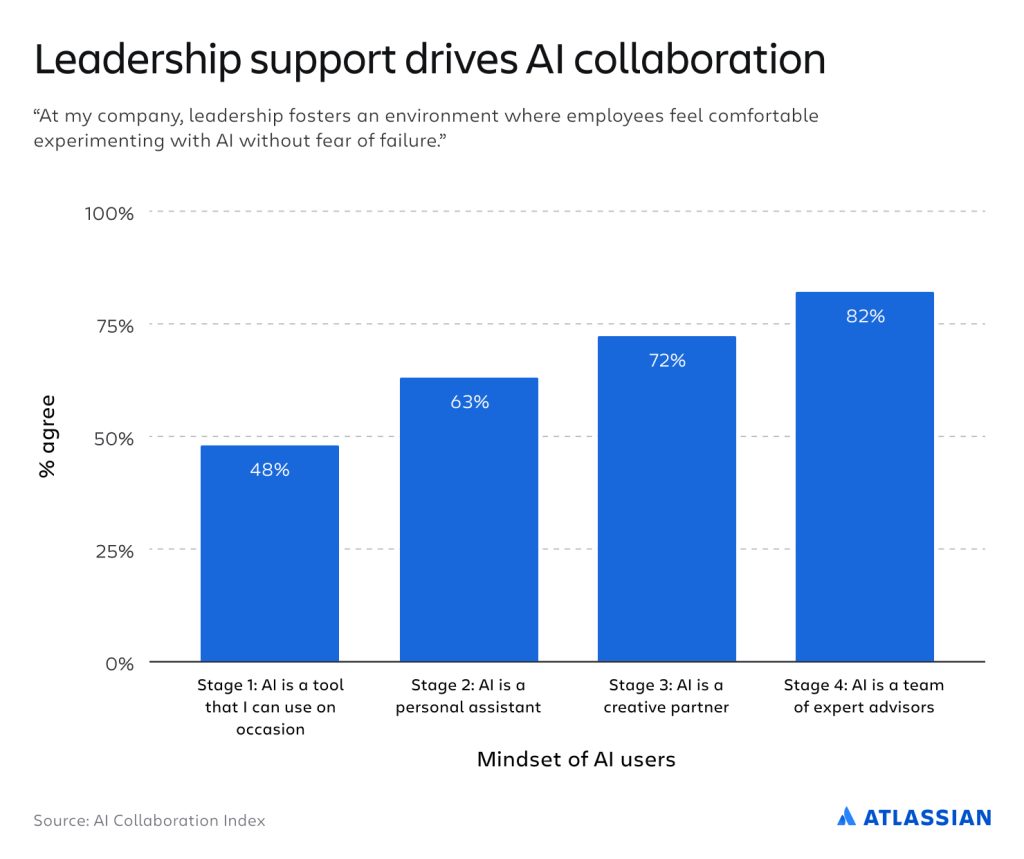
Effective AI readiness programs begin with a clear structure that aligns with business objectives. Organizations should:
- Define goals for training
- Determine which teams need to participate
- Outline the scope of exercises
Structured programs help make sure learning is relevant and that skills translate directly into workplace applications.
The Power of Workshops
A common approach is to design workshops or modules that introduce AI concepts, followed by applied exercises. Teams might analyze datasets, explore automated workflows, or evaluate predictive tools within a controlled environment. These exercises allow participants to experience AI decision-making firsthand and understand both its potential and its limitations.
Consistency is also important. Organizations that schedule regular sessions, revisit topics, and incorporate feedback loops enable continuous skill development. Without structured reinforcement, teams may struggle to retain knowledge or fail to apply learning to their daily responsibilities.
Building Cross-Functional Competency
Collaborative learning is particularly effective at breaking down departmental silos. When different teams work together, they can share knowledge, identify gaps, and develop a unified approach to AI adoption.
In practice, this could involve bringing together employees from product, finance, operations, and marketing to evaluate a new predictive analytics tool. Each department contributes insights about data usage, workflow integration, and potential outcomes.
The collaborative process not only accelerates understanding but also ensures that AI initiatives are grounded in practical realities rather than theoretical assumptions.
Practical Application of AI Knowledge
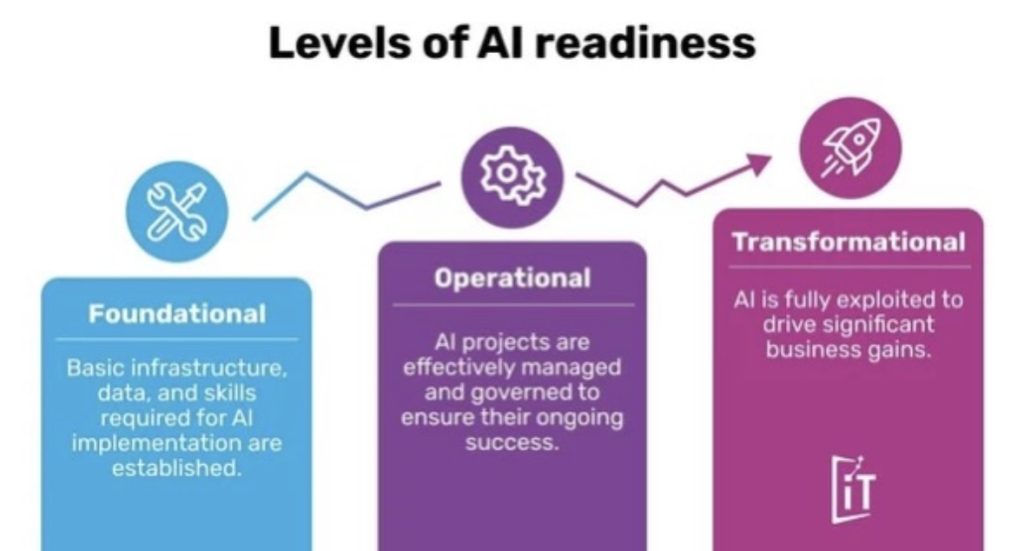
Learning is most effective when participants can apply knowledge to real-world challenges.
Collaborative learning programs often include scenario-based exercises that mirror the organization’s operational context. This allows teams to:
- Experiment with AI tools
- Test results
- Learn from mistakes in a low-risk environment
Applied learning reinforces concepts and builds confidence in employees’ ability to use AI effectively. It also surfaces potential pitfalls, such as data quality issues, workflow bottlenecks, or misaligned KPIs. By identifying these challenges early, teams can implement AI more smoothly and with greater impact.
Ethical and Governance Considerations
AI adoption is not only a technical challenge but also a governance issue. Organizations must establish policies and standards to ensure responsible AI use. Collaborative learning programs provide a forum to discuss ethical considerations, compliance requirements, and risk mitigation strategies.
Teams can explore questions such as: How should automated decisions be monitored? What safeguards are needed to protect sensitive data? How do we ensure AI outputs align with organizational values? Addressing these questions collectively helps embed accountability and responsibility into AI initiatives.
Measuring Impact and Readiness
To evaluate the effectiveness of collaborative learning, organizations should track both team performance and business outcomes. Metrics might include:
- Improvements in workflow efficiency
- Decision-making quality
- Operational results tied to AI initiatives
Additionally, assessing employees’ ability to apply AI knowledge in practical scenarios provides insight into readiness levels.
Monitoring impact is essential for iterative improvement. By reviewing results and incorporating feedback, organizations can refine training programs, target skill gaps, and enhance overall adoption strategies. Continuous assessment ensures that AI readiness is not a one-time effort but a sustained organizational capability.
Overcoming Challenges
Even well-structured programs face obstacles. Teams may resist change, misinterpret AI capabilities, or struggle with data management. Collaborative learning addresses these challenges by fostering dialogue, encouraging hands-on experimentation, and providing guidance from experienced facilitators.
Common issues include:
- Siloed knowledge: Teams may hoard insights or fail to communicate effectively.
- Overreliance on technology: Employees may assume AI is a magic solution rather than a tool requiring critical evaluation.
- Rapidly evolving tools: Continuous learning is essential to keep pace with new AI capabilities and industry developments.
Proactive management of these challenges ensures that AI adoption is smoother, faster, and more aligned with strategic goals.
Creating a Culture of Continuous Learning
AI readiness is not a single event; it’s an ongoing process. Organizations that cultivate a learning culture empower employees to continuously update their skills, review assumptions, and share lessons learned across teams. This culture supports innovation, enhances decision-making, and builds resilience in a rapidly changing technological landscape.
Continuous learning can take many forms, including refresher workshops, peer mentoring, discussion forums, or internal knowledge-sharing sessions. The goal is to make AI literacy a part of daily operations rather than a standalone initiative.
When teams embrace ongoing learning, AI becomes a tool that drives measurable outcomes rather than a theoretical capability.
Linking AI Readiness to Business Strategy
Collaborative learning programs are most effective when linked directly to strategic objectives. Teams should focus on AI applications that drive tangible business value, such as improving operational efficiency, enhancing customer experiences, or supporting data-driven decision-making.
Strategic alignment ensures that AI initiatives are prioritized according to organizational needs. It also helps teams understand how their efforts contribute to broader goals, reinforcing accountability and motivation.
Why Collaborative Learning Works
Preparing for AI adoption requires more than technology. Teams must learn to work with AI tools, evaluate outcomes critically, and apply knowledge in real-world contexts. Collaborative learning provides a framework for achieving these goals, promoting alignment, skill-building, and practical application across departments.
ISBM’s AI readiness training offers organizations structured guidance to implement collaborative learning programs effectively. By combining workshops, scenario-based exercises, and cross-functional engagement, ISBM helps businesses develop the knowledge and confidence to integrate AI into everyday operations. Become a member now!