

Search engine optimization has come a long way. In 2025, state of SEO 2025 AI analytics shows this isn’t a cool, pricey add-on. It’s an excellent way to find smarter business strategies. You need data that’s fresh and precise.
Why?
Because you’re targeting decision-makers, not casual readers. Your goal is to build growth engines, not gimmicks.
AI makes SEO smarter and faster through AI-driven analytics. Instead of guessing which keywords to prioritize, AI finds patterns, gives signals, and creates outcomes. It spots trends before they take the world by storm.
Quick Takeaways:
- Predictive SEO beats reactive SEO by forecasting keyword shifts and content needs.
- AI-driven auditing tools fix issues that humans often miss.
- Content performance is tied to intent patterns AI uncovers.
- Automated reporting saves hours and surfaces real business signals.
- Collaboration between SEO pros and AI boosts ROI more than either alone.
State of SEO 2025 AI Analytics: Predictive SEO
Google’s algorithms learn and change every day. SEO trends rise and fall faster than coffee cools. Reactive SEO (waiting for rankings to drop) leaves you falling behind competitors. Luckily, predictive AI jumps ahead.
Imagine traffic for a topic spiking next month. AI spots early signs: search volume rising from niche searches, rising ad bids, or newly published research. Your team creates content, builds internal links, and wins visibility before others.
And that’s not magic. It’s math. AI connects data dots too complex for humans to map.
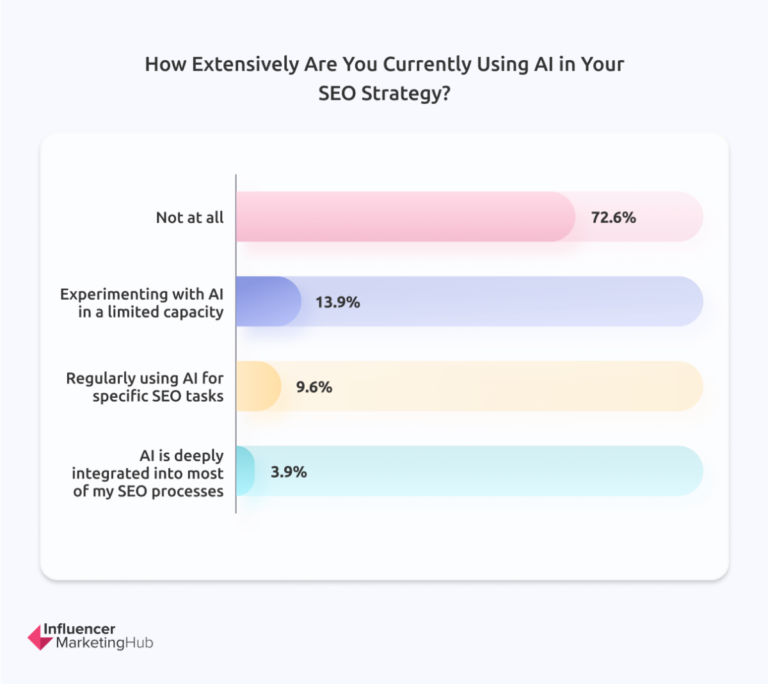
Using AI to Improve Technical Health
Technical SEO isn’t easy to master. You’ll encounter leaks that have to be fixed all the time. AI makes those fixes smarter. Advanced crawlers powered by AI can:
- Prioritize broken links
- Duplicate content/slow-loading pages based on impact
Instead of cleaning only what’s visible, your team focuses on high-impact fixes. It stops wasting effort on parts of the site nobody visits. AI also predicts which technical issues affect ranking and speed. That lets you correct them before they impact performance. No surprises or last-minute scrambles.
Content Strategy Powered by Search Intent and Answer Engine Optimization
Search intent isn’t new. But AI doesn’t just label intent; it finds clusters of intent and emerging intent types. For example, searches might start with an “I need to compare” phase before moving to “I’m ready to buy.”
AI groups terms into paths. It recommends content for each stage. You write with purpose. You don’t just create a generic long-form guide. You publish a comparison piece, a review, and a pricing explainer—all based on searchers’ likely needs.
Your content calendar is a huge map for your success. That builds trust with readers and keeps them coming back.
Smarter Keyword Research—Faster
Keyword tools in 2025 forecast interest spikes and semantic expansions. They also mix in AI-sourced questions and newly appearing long-tail terms. In other words, individual markets get customized data.
For example, “AI for CRM” might be rapidly rising in finance but flat in healthcare. You don’t guess. You allocate budget and content where opportunity is real! Your keyword strategy becomes proactive. You’re building for what’s next, not what was.
Performance Reporting That Makes Sense
SEO reporting often spins data without meaning. AI turns numbers into narratives. It flags metrics that matter—traffic drops tied to algorithm updates, engagement gains from a new topic cluster, content performance trends, or growth in mobile search sessions.
Your dashboard no longer needs manual interpretation. AI surfaces three-to-five actionable insights per week. Those insights make it easy for leadership to see value. You spend time on strategy, not copying charts.
Collaborating with AI—Not Replacing the Human Touch
AI can suggest topics, optimize tags, even draft outlines. But it’s still your brand voice, your knowledge, and your judgment that make content resonate. Think of AI as a partner, not a replacement.
Your team reviews AI suggestions. You add tone, references, brand differentiation. When AI writes a technical summary, you inject customer examples. You maintain quality at scale.
And when AI recommends updates to older content, you audit them before hitting publish. Balance saves your brand from robotic tone or outdated claims.
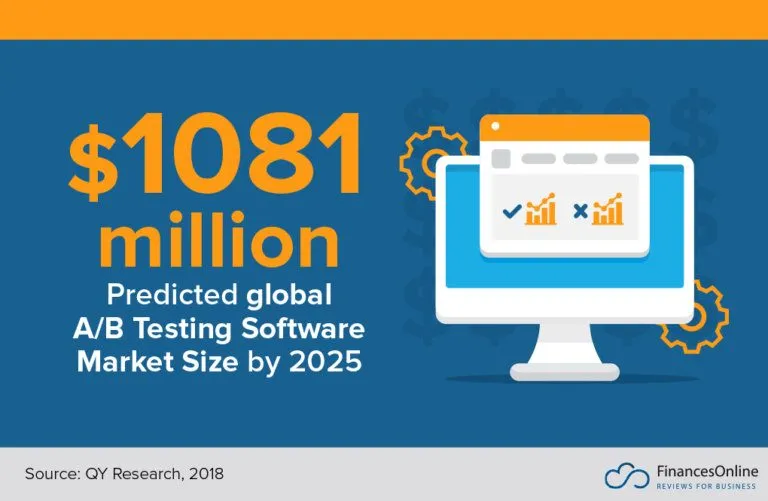
AI-Powered A/B Testing for SEO
Traditional A/B testing involves guessing titles or CTAs for content conversion. AI ramps that up with live content experiments. You get multiple landing page versions, real-time performance tracking, and auto-optimization.
For example, if AI sees that users from organic search leave quickly from your current page, it creates a variant with a better intro or optimized headings. It keeps the top performer.
That level of experimentation drives higher engagement and conversion—without a developer team rewriting pages manually.
Alert Systems That Actually Save You Time
Checking SEO dashboards every morning is exhausting. AI can push alerts only when something needs attention.
Maybe your target keyword just dropped by five spots. Maybe a competitor picked up a slot you once owned. Or maybe a backlink from a high-authority site disappeared. AI sends one alert with context and recommended actions, not a dozen vague emails.
The Investment You’ll Actually See
AI SEO analytics brings a lot to the table. Most B2B teams report:
- 20–30% faster traffic growth
- 25% higher click-through-rate
- 15% more conversions from organic
- 30% less time spent on technical audits
When your team cuts repetitive tasks and focuses on strategy, results come faster and at scale. AI becomes not a cost, but a growth engine.
Getting Started with AI SEO Analytics
You don’t have to change everything overnight. Follow these practical steps:
- Choose AI tools that integrate with your existing workflows—like Google Search Console or your CMS.
- Start with technical audits—let AI run full crawls and fix priority issues.
- Use AI keyword research for next quarter’s content plan.
- Implement content intent mapping based on AI recommendations.
- Set up automated performance alerts tuned to your brand KPIs.
- Review AI-made recommendations weekly and adjust content team focus accordingly.
Your ROI grows as AI frees your human team to think, plan, and write.
The Human-AI SEO Partnership
AI doesn’t replace SEO professionals. It empowers them. When AI handles data-heavy tasks, your team can focus on crafting narrative, case studies, guides, and trusted thought leadership.
You use generative AI strategies to generate topic clusters. You write the content that explains them. That combination is what sets high-performing B2B content apart in 2025.
You’re Already Ahead
You have experience, insights, and unique expertise. AI adds clarity, speed, and scale. You don’t lose your voice. You amplify it.
When your team works with AI-driven analytics, you stay ahead of competitors who still treat SEO like manual labor. You capture traffic early and hold attention longer.
Did You See the Future?
State of SEO 2025 AI analytics shows this isn’t a shiny tool—it’s simply the future. You’re moving from reactive SEO to predictive and strategic SEO with updated AI SEO content guidelines. You’re saving time, scaling insight, and earning results.
If you’re ready to amplify your search impact, start with one pilot project: a new content cluster. Let AI guide keywords and intent. Have your team refine tone and publish. Measure impact. Then scale. You won’t regret it!
ISBM can help you stay ahead of the curve by connecting you with practical, research-driven insights and B2B marketing resources into how B2B marketing is evolving. Through expert resources and peer collaboration, we provide the knowledge base and support needed to make informed decisions—especially in fast-changing areas like business market segments. Become a member today!