

You’ve probably already noticed that buying in the industrial B2B space isn’t what it used to be.
Buyers aren’t just flipping through catalogs or calling up a sales rep to hash out the details. They’re doing research, comparing options, and expecting personalized experiences. And artificial intelligence is right there in the middle of it, flipping the script on how B2B buyers move through their journey.
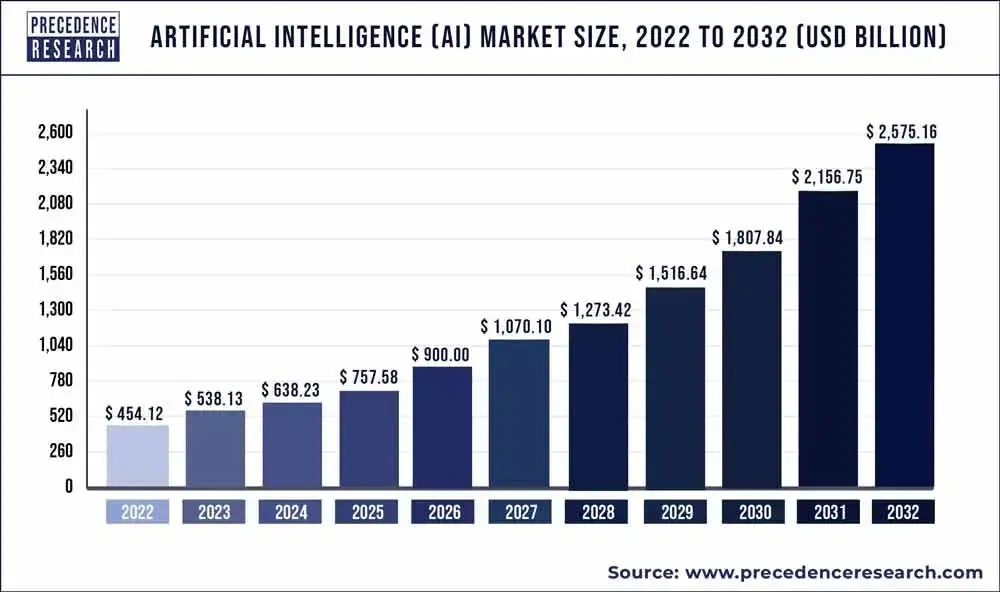
AI isn’t just hype anymore. It’s quietly (and sometimes loudly) changing how buyers search, evaluate, and decide on industrial products and services.
Let’s break it down.
Quick Takeaways:
- AI shortens the buyer journey by serving up personalized content and recommendations.
- Predictive analytics help sales teams time their outreach just right.
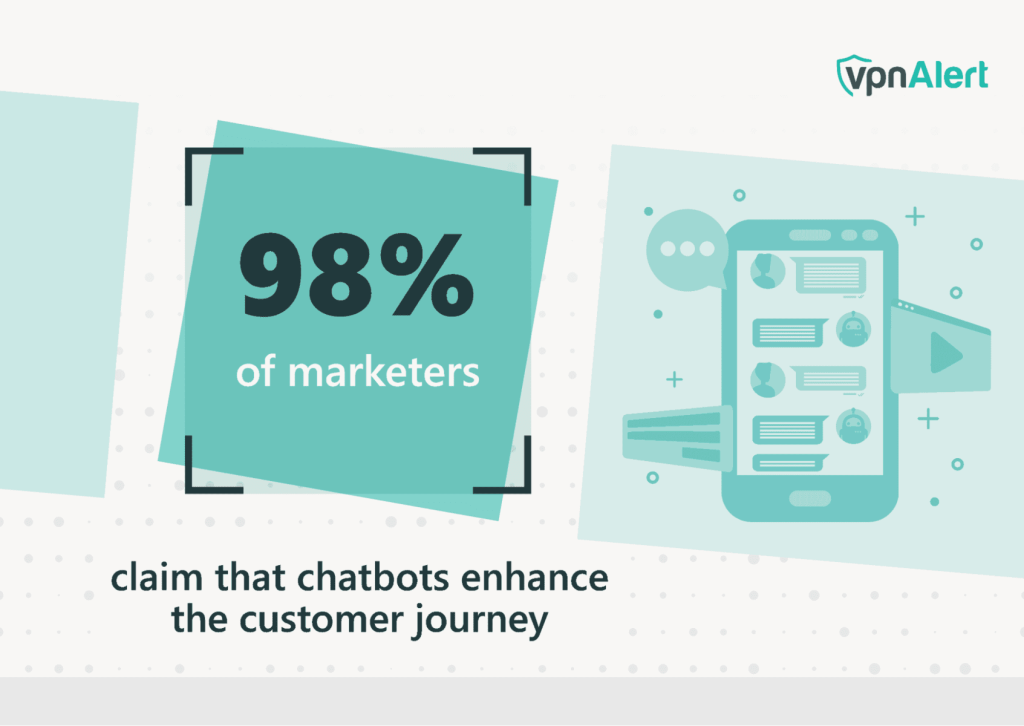
- Chatbots are doing the front-end heavy lifting, answering basic questions 24/7.
- Search is smarter—thanks to AI, buyers get more relevant results fast.
- Intent data is making cold outreach a little less cold.
AI Is Changing the First Step: Awareness
Think about how buyers used to start their journey. A problem would pop up, and they’d start Googling or call a trusted vendor. Now, they’re more likely to interact with content that AI recommended before they even realized they had a need.
Smart algorithms are already shaping what buyers see on LinkedIn, YouTube, and Google. Based on past behavior, job title, and company size, AI recommends articles, videos, and product pages. It’s like being handed a brochure before you even walk into the store.
Content marketers in industrial B2B are already using tools that analyze search trends and buyer intent to generate blog posts, case studies, and whitepapers. But it goes further than just showing a blog post. AI tools know when to deliver content and to whom. That kind of timing? Human marketers just can’t match it at scale.
Smarter Search, Faster Decisions
Buyers don’t have time to scroll through page after page of irrelevant links. AI-powered search tools help filter the noise and show only what’s relevant.
That’s why you’re seeing more product platforms and industrial marketplaces using AI to surface better search results. When a buyer types “3-phase power distribution units,” AI isn’t just matching keywords. It’s looking at past behavior, industry, and even geographic location to prioritize results.
And it’s not limited to search engines. Many industrial supplier websites now include AI-driven search functions that can auto-correct misspellings, predict queries, and even rank results based on buyer profile.
The faster buyers find what they’re looking for, the sooner they move on to evaluation.
Evaluation is Getting an Upgrade
Evaluation used to be the longest part of the B2B buyer journey. Spreadsheets, meetings, demos, and way too many emails.
AI trims the fat here.
Recommendation engines work in the background, comparing your offerings to others in the market and guiding buyers toward options that meet their specific needs. Think Amazon-style suggestions but tailored to industrial buyers ordering cable assemblies or CNC machinery.
And chatbots? They’re not just answering basic questions. The good ones ask questions back, qualify leads, and guide buyers through the evaluation process.
Predictive Analytics Are Reshaping Sales Timing
Let’s say you’re in sales. You want to know when a buyer is most likely to respond. That used to be a guessing game. Not anymore.
AI analyzes buyer behavior across channels—website visits, email opens, webinar attendance—and scores leads based on how likely they are to convert.
Sales teams using AI-powered tools know who to call, when to call, and even what to say. It’s like being handed a cheat sheet right before a big test.
Here’s how predictive analytics are changing things:
- Identify warm leads based on real-time buyer activity.
- Score and rank accounts using intent data.
- Recommend outreach strategies based on behavior patterns.
It’s not magic! It’s just smart math applied at scale.
Intent Data Makes Outreach Less Awkward
Nobody likes cold calls. Especially industrial buyers who are juggling maintenance schedules, safety audits, and a dozen other priorities.
AI-driven intent data changes that. By tracking digital signals—like keyword searches, page views, and form submissions—sales teams can pinpoint buyers who are actively looking for solutions.
Instead of dialing down a list and hoping someone bites, reps can call buyers who are already in the market.
It’s not just easier. It’s more respectful of the buyer’s time.
AI-Powered Personalization Builds Trust
You don’t have to know someone personally to make a good impression. But a little personalization helps.
AI makes it easier to customize everything from email campaigns to product recommendations. Buyers notice when content feels tailored to their industry or job function.
You might not realize it, but those tailored product pages and emails are powered by machine learning. Based on your industry, company size, and online behavior, AI knows what to show and when to show it.
Examples of AI-driven personalization in industrial B2B:
- Dynamic pricing models based on buyer behavior.
- Custom content offers based on job title.
- Suggested products based on purchase history.
Personalization doesn’t have to feel creepy. Done right, it feels helpful.
AI in Post-Purchase Behavior
The buyer journey doesn’t end when the PO gets signed.
AI helps after the sale, too. Predictive maintenance tools, automated reordering systems, and smart customer portals all use AI to make post-sale experiences smoother.
Buyers can receive alerts when it’s time to reorder or schedule maintenance. They don’t have to think about it—AI handles the reminders.
That kind of convenience builds loyalty. Not because buyers are wowed by the tech, but because it saves time and prevents headaches.
AI Makes Human Teams More Effective
It sounds like AI is doing all the work. But really, it’s making human teams better at theirs.
Marketing teams can focus on creative strategy while AI handles segmentation and data analysis. Sales reps can have better conversations because they’re walking in with more context.
AI doesn’t replace humans. It takes care of the grunt work so people can do what they do best: build relationships and solve problems.
Buyers don’t want more emails or longer demos. They want relevance, timing, and value. AI helps human teams deliver just that.
Problems to Watch Out For
AI isn’t perfect. Relying too much on automation can make things feel robotic.
Here are a few traps B2B marketers and sales teams should avoid:
- Over-personalizing to the point of creepiness.
- Using generic AI-generated content without review.
- Automating outreach without considering buyer preferences.
- Failing to verify data accuracy before making decisions.
Buyers can smell lazy automation. Keep it helpful, not pushy.
So, What Should You Do?
You don’t need a PhD in data science to start using AI in your industrial B2B strategy.
Start small:
- Use AI-powered email tools to personalize subject lines.
- Try chatbots for lead qualification.
- Tap into intent data to guide your sales outreach.
- Test predictive analytics to optimize timing.
- Use AI content tools for research and topic planning.
Then scale what works. AI isn’t perfect, but it’s a powerful tool.
Final Verdict: We Can Use AI to Our Advantage
You might be skeptical. You might think AI sounds too techy or complicated. But here’s the thing: it’s already part of your buyer’s journey.
Buyers are using AI-assisted tools whether you like it or not. They expect personalized content, relevant suggestions, and seamless experiences. If you’re not using AI to shape their journey, someone else is.
It’s not about chasing every shiny new tool. It’s about meeting buyers where they are—in a smarter, faster, more connected world. So, the next time someone on your team shrugs off AI as a fad, just smile. Because you know better!
ISBM can help you stay ahead of the curve by connecting you with practical, research-driven insights into how B2B marketing is evolving. Through expert resources and peer collaboration, we provide the knowledge base and support needed to make informed decisions—especially in fast-changing areas like business market segments. Become a member today!