

Ever feel like B2B marketing moves slower than it should—despite all the data and tech at your fingertips? AI is changing that. From lead scoring to email timing to personalized web experiences, automation tools are making it easier to reach the right people with the right message—fast.
AI-driven tools have come a long way in reshaping how B2B marketers engage with prospects, manage campaigns, and measure success. As marketing departments face tighter budgets and higher expectations, AI marketing tools offer a way to streamline operations and get more done with less effort.
B2B marketing still depends on relationships, strategy, and data. But in 2025, smart automation tools are helping teams prioritize better, act faster, and target more precisely than ever before.
In this guide, we’ll list our favorite tools by category to help you find the best options for your business.
Quick Takeaways:
- AI tools simplify content creation, personalization, and campaign execution in B2B marketing.
- Predictive analytics platforms help marketers identify high-quality leads based on behavior and intent signals.
- Chatbots and virtual assistants now handle more complex B2B conversations, freeing up human reps for strategic tasks.
- AI-powered email tools increase open and response rates through smarter timing and message optimization.
Data hygiene and CRM automation platforms reduce manual entry and improve sales alignment.
Smarter Lead Scoring
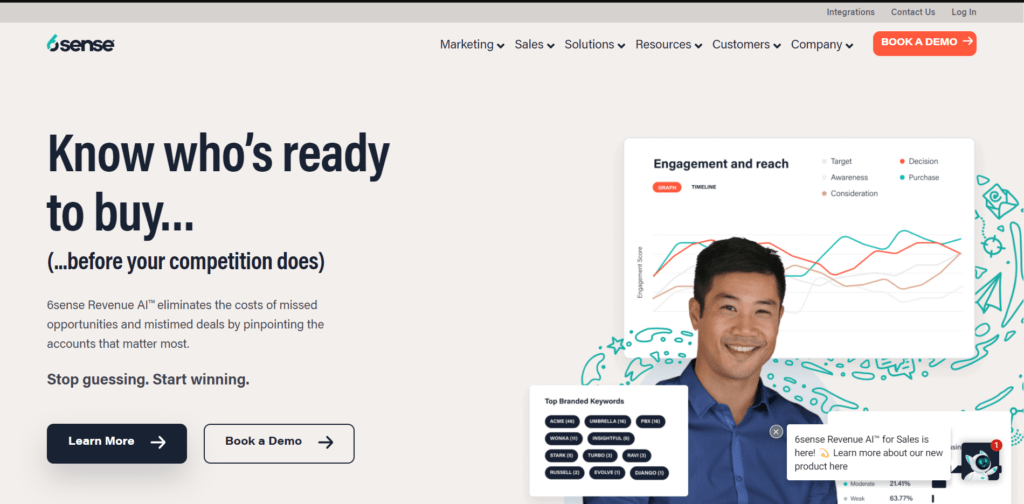
Manual lead scoring once took hours of sales and marketing collaboration. These tools use AI to analyze behavior, firmographics, and buying signals in real time:
- 6sense
- MadKudu
They surface high-intent accounts and prioritize leads with the greatest likelihood of closing, so teams spend less time guessing and more time converting.
AI helps spot opportunities marketers might overlook—such as dormant leads showing new signs of life or accounts that resemble past customers. With machine learning constantly refining these insights, the system gets better the more you use it.
Automated Email Optimization
These platforms analyze engagement data and customer behavior to determine the best time and language for outreach:
- Seventh Sense
- Phrasee
Rather than blasting every lead at 9 a.m. on a Tuesday, AI tools personalize send times and subject lines for each recipient.
The result: higher open rates, more replies, and better outcomes for drip campaigns. For time-crunched marketers trying to break through overloaded inboxes, this kind of automation creates a tangible edge.
AI Content Assistants
B2B marketers generate a steady stream of white papers, landing pages, case studies, and email sequences. These tools offer AI-assisted content creation built with tone, voice, and branding guidelines in mind:
- Jasper
- Writer
- Copy.ai
These platforms don’t replace writers—but they help them get past blank pages faster.
They also speed up repurposing. One webinar can quickly become a blog post, email sequence, and social captions—all with AI support to polish messaging and adjust length or tone as needed.
CRM and Data Hygiene Automation
Sales and marketing alignment often breaks down at the CRM level. These platforms use AI to enrich lead profiles, clean up records, and ensure reps get credit for their interactions:
- People.ai
- LeanData
- Clearbit
That means fewer duplicates, more accurate attribution, and better-informed follow-up.
Good data drives everything in B2B marketing—from segmentation and scoring to reporting and retargeting. Automating cleanup and enrichment reduces human error and gives teams a clearer picture of what’s actually working.
Predictive Analytics
Instead of waiting for form fills, these predictive tools spot early buying behavior and surface hidden interest:
- Lusha
- EverString
- ZoomInfo Intent
AI models identify patterns across the funnel—helping marketers engage sooner and more confidently.
These tools tap into external data sources, track online research behavior, and flag accounts showing interest in relevant topics. That information feeds into your outreach, helping sales teams start conversations when buyers are just entering the awareness phase.
Conversational AI
Here are some AI chat platforms that handle qualification, scheduling, and detailed responses:
- Drift
- ai
- Conversica
These bots aren’t limited to surface-level scripts; they integrate with CRMs, personalize conversations based on visitor data, and escalate only when human input is needed.
What used to be just “lead capture” has evolved into real-time engagement. Conversational AI tools create a better user experience while freeing up human reps to handle more complex conversations that actually require a human touch.
ABM Orchestration
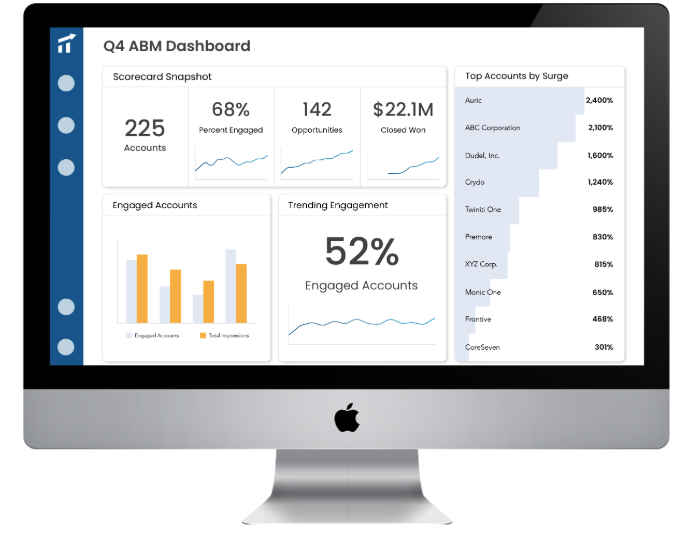
Account-based marketing relies on timing and coordination. These tools combine AI targeting, real-time intent data, and automated engagement to keep outreach aligned across email, ads, and sales touches:
- Terminus
- Demandbase
- RollWorks
Rather than guessing which accounts are ready, AI continuously adjusts your ABM strategy based on engagement levels and changing behaviors. Campaigns evolve in real time, helping marketing and sales teams stay in sync and act when the moment’s right.
Ad Optimization Engines
Now, some tools that apply AI to digital advertising for real-time audience targeting and creative testing:
- Pattern89
- Albert.ai
- Quantcast
Rather than waiting weeks for campaign data, marketers see which messages resonate and which segments convert—automatically and continuously.
Creative testing that once took days now happens in hours. These tools swap headlines, images, or calls-to-action to improve ROI on the fly. And since they work across platforms, your paid campaigns stay optimized whether they’re running on LinkedIn, Google, or elsewhere.
Social Listening and Insights
These are tools that monitor brand mentions, competitor moves, and industry trends across channels:
- Brandwatch
- Sprinklr
- Talkwalker
AI distills that data into actionable insights, showing marketers what prospects care about and how to enter the conversation in relevant ways.
For B2B brands with long sales cycles, being top-of-mind during research phases matters. Social listening tools help marketers stay ahead of emerging trends, understand sentiment shifts, and tailor messaging to align with what their audience is already thinking about.
AI-Enhanced Web Experiences
Our favorite website personalization platforms that customize messaging based on visitor behavior, company data, and previous interactions are:
- Mutiny
- Optimizely
- Hyperise
No more static landing pages—each visitor sees tailored content that aligns with their interests and buying stage.
A returning user from a healthcare company might see different messaging than a new visitor from the finance industry. These micro-adjustments create better engagement, reduce bounce rates, and increase conversions—especially when they match the tone and messaging of your sales outreach.
B2B Marketing’s Future Is Assisted, Not Automated
AI isn’t taking over B2B marketing. It’s just making it faster, cleaner, and smarter. Marketers who embrace automation tools now will be better equipped to keep pace with changing buyer expectations. From predictive data to personalization engines, the tools are here to help—not replace—the human side of marketing.
The best results come when strategy, creativity, and technology work together. In 2025 and beyond, B2B marketing isn’t about choosing between automation and relationships—it’s about combining them in smarter ways.
ISBM can help you stay ahead of the curve by connecting you with practical, research-driven insights into how B2B marketing is evolving. Through expert resources and peer collaboration, we provide the knowledge base and support needed to make informed decisions—especially in fast-changing areas like AI adoption. Become a member today!