

Clear and consistent communication is the backbone of successful B2B relationships. Buyers and buying teams expect clarity, responsiveness, and authenticity from the brands they engage with. Strong communication strategies not only improve collaboration but also build trust, fostering long-term relationships that lead to repeat business and growth.
Building a communication strategy that meets the needs of modern B2B buyers requires a focus on their expectations and the unique dynamics of organizational decision-making.
Below are best practices designed to strengthen your approach and create meaningful connections with buying teams.
Emphasize Buyer-Centric Messaging
B2B communications should address the needs, concerns, and objectives of buying teams. Start by understanding their roles within their organizations and tailoring messaging to align with their specific challenges. Effective communication resonates by addressing practical issues and offering solutions tied to measurable outcomes.
Ask questions about their goals and align your messaging around their objectives. Whether it’s simplifying decision-making or meeting operational needs, ensure your focus stays on solving buyer pain points rather than promoting your offerings.
Provide Relevant and Actionable Information
B2B buyers often require in-depth details before making decisions. Share content that informs their choices, such as case studies, industry reports, and data-backed research. Buyers look for information that highlights how your solutions can deliver results.
Instead of generalizations, prioritize clarity. Break down concepts into actionable steps or solutions that simplify the decision-making process for buying teams. This approach builds credibility and makes your business a trusted resource.
Build Trust Through Transparency
Buying decisions often involve multiple stakeholders, making trust essential. Transparency in communication strengthens relationships and reduces friction during negotiations. Share timelines, pricing structures, and deliverables openly to set clear expectations.
Respond promptly to inquiries and address concerns head-on to establish credibility. Buyers value honesty, especially in B2B transactions where long-term commitments often come into play. Open communication reduces misunderstandings and fosters mutual respect.
Use Technology to Engage More
Digital platforms enable B2B organizations to communicate faster and more effectively with buyers. Tools like CRM systems, video conferencing software, and collaborative platforms keep communication channels open and allow teams to stay informed.
Automated updates and personalized messaging provide opportunities to maintain regular engagement without overwhelming buyers. Tools such as analytics dashboards can also inform communication strategies by identifying buyer preferences and behaviors.
Align Messaging Across Channels
Consistency matters when engaging with buying teams. Mixed messages or inconsistent branding can create confusion and diminish trust. Align your messaging across emails, meetings, and digital platforms to provide a seamless experience.
Develop a unified voice for all communications, whether through sales materials or social media outreach. Buyers who encounter consistent messaging feel more confident about your brand’s professionalism and reliability.
Adapt to Buyer Preferences
B2B buyers vary in how they prefer to receive information. Some may prioritize formal presentations, while others prefer short email summaries. Ask about their preferred communication methods and adapt accordingly.
Demonstrating flexibility shows respect for their time and needs, leading to stronger relationships. For larger buying teams, provide resources in multiple formats to cater to diverse preferences within the group.
Focus on Relationship Building
Transactional communication lacks the depth required to build lasting relationships. Invest time in understanding the long-term goals of buying teams and look for ways to support them beyond individual transactions.
Follow up after deals are completed, share updates about new developments, and offer solutions to future challenges. Buyers who see your brand as a long-term partner will return for repeat business and recommend your solutions to others in their networks.
Refine Communication Efforts
Effective B2B communication strategies evolve based on performance metrics. Track the success of campaigns, meetings, and follow-ups to identify areas for improvement. Feedback from buying teams can also highlight what resonates most.
Analyze patterns to determine which strategies foster engagement and lead to conversions. Use these insights to adjust messaging and delivery methods to meet evolving buyer needs.
Measuring Success in B2B Communications
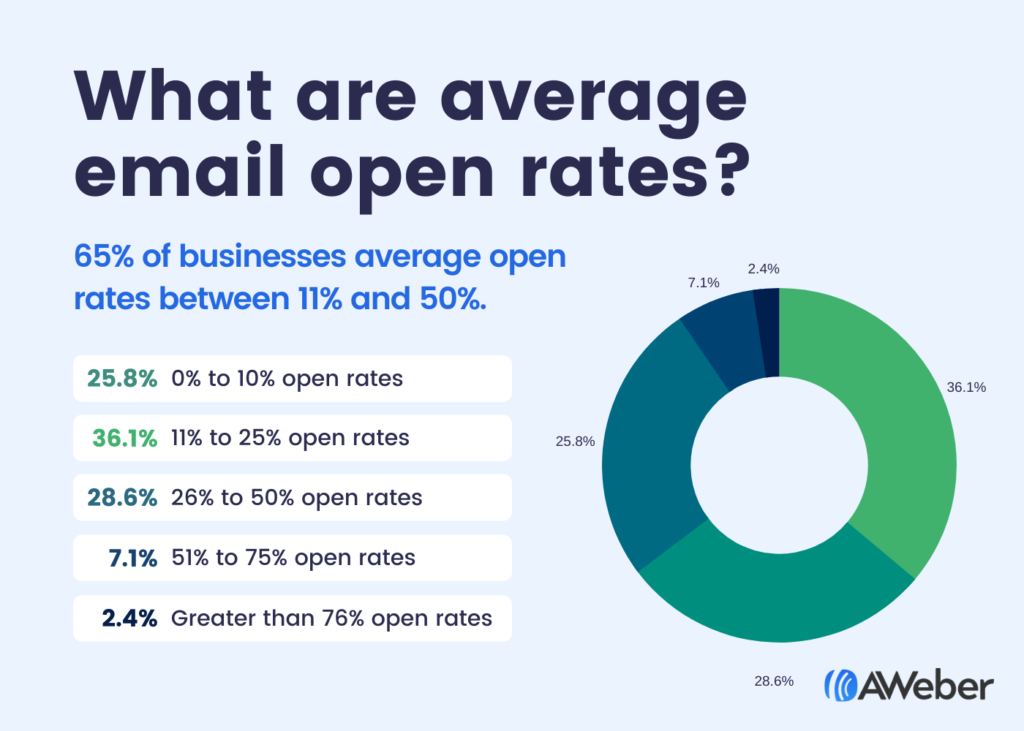
Clear communication strategies require measurable outcomes to evaluate effectiveness. Defining metrics tied to buyer engagement, response rates, or purchasing decisions can provide actionable insights. For example, tracking email open rates, click-through rates on case studies, or time spent on whitepapers offers a window into what resonates with your audience. Surveys targeting buyer satisfaction after interactions also provide direct feedback.
Utilizing tools to assess the impact of communication efforts allows for adjustments in tone, timing, or channel use. Regular analysis of data ensures alignment with buyer preferences. The goal is not just to disseminate information but to foster meaningful interactions that support decision-making. Consistently measuring results can position your brand as a reliable source of information and solutions.
Overcoming Communication Challenges
B2B communications often involve longer decision-making processes and multiple stakeholders. Addressing these dynamics requires persistence and flexibility. To overcome obstacles, focus on simplifying messaging without losing depth. Buyers benefit from concise communication paired with access to more detailed resources when needed.
Timing also matters. Strategic follow-ups after initial engagements help maintain momentum without pressuring buyers. Clear internal alignment across teams ensures a unified approach, minimizing confusion during multi-channel interactions. Strong, proactive communication anticipates questions and builds confidence among buying teams navigating complex decisions.
Make Your B2B Communication Strategy Stronger
Strong B2B communication strategies connect buyers with solutions and build trust over time. By prioritizing clarity, transparency, and buyer-focused messaging, your organization can foster relationships that support long-term growth.
ISBM provides resources and tools designed to help B2B professionals refine their communication efforts. By becoming a member, you’ll gain access to expert guidance and strategies tailored to the unique needs of B2B organizations. Contact us for membership information and learn more about how we can support your business.