

Account-Based Marketing (ABM) focuses on creating personalized campaigns for specific accounts. This approach shifts the focus from broad outreach to targeted, meaningful engagement. ABM marketing strategy can transform the way businesses interact with their customers, helping them build stronger relationships and drive results.
Engagement improves when businesses deliver content and experiences aligned with customers’ needs. By addressing these needs directly, ABM creates a more impactful and relevant connection between a brand and its audience.
What Makes ABM Different?
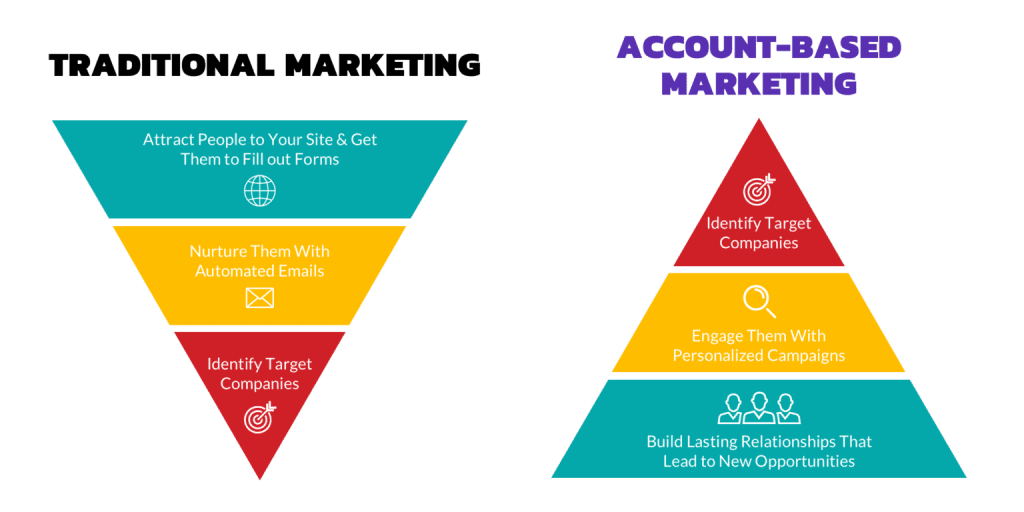
ABM focuses on specific accounts rather than a wide audience. Instead of casting a broad net, businesses identify high-value prospects and prioritize those relationships.
Through tailored messaging and content, companies address the unique challenges of their target accounts. The goal is to show that your business understands their industry, challenges, and goals.
Unlike traditional marketing approaches, ABM requires deeper collaboration between marketing and sales teams. These departments share responsibility for identifying opportunities, engaging customers, and nurturing relationships. The result is a streamlined strategy where every interaction serves a specific purpose.
Benefits of Using an ABM Marketing Strategy
Personalized Experiences
ABM allows businesses to create customized campaigns for individual accounts. Customers feel valued when businesses offer solutions that speak directly to their needs.
Better Use of Resources
ABM aligns marketing and sales teams. These departments work together to focus on fewer accounts but with higher potential for conversion.
Stronger Relationships
Focusing on high-value accounts strengthens long-term partnerships. Businesses show they are invested in their customers’ success.
Higher ROI
ABM strategies often deliver higher returns because efforts are focused where they matter most. Every campaign is optimized for a small group of high-priority accounts.
More Predictability
Since ABM targets specific accounts, businesses can better anticipate outcomes. Measurable data, like account engagement and lead conversion rates, provides clarity on campaign effectiveness.
How ABM Drives Customer Engagement
ABM builds trust through relevant and consistent communication. Customers are more likely to engage when they feel understood and supported. Businesses can use several techniques to enhance engagement through ABM:
Customized Content: Tailoring content to specific accounts ensures relevance.
Multi-Channel Outreach: Reaching customers through email, social media, and events increases opportunities for meaningful interactions.
Proactive Solutions: Addressing issues before they arise builds credibility and strengthens trust.
Real-Time Feedback: Gathering insights during campaigns helps fine-tune efforts and boost engagement.
Steps to Implement an ABM Marketing Strategy
Identify Target Accounts
Focus on accounts with the highest growth potential. Use data to understand their needs and challenges.
Collaborate Across Teams
Sales and marketing teams need to share insights and coordinate efforts.
Develop Personalized Campaigns
Create messages and content specific to each account. Address pain points and showcase how your business offers solutions.
Use the Right Tools
Technology platforms help businesses deliver targeted campaigns and track engagement metrics.
Measure and Refine
Analyze what works and adjust strategies as needed. Customer engagement improves when strategies adapt to evolving needs.
Build Long-Term Plans
Successful ABM strategies extend beyond short-term gains. Create campaigns that nurture accounts over time, showing ongoing commitment to their success.
Examples of ABM Success
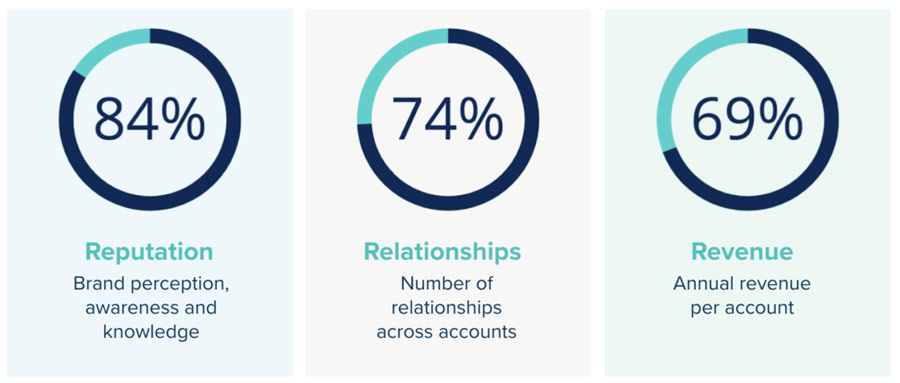
Companies using ABM often experience measurable growth. Businesses report stronger relationships with customers, higher engagement rates, and better alignment between sales and marketing teams.
For example, a B2B software company may target a specific industry segment. By understanding the challenges of that industry, they create campaigns that show how their product solves these issues. Over time, this builds trust and increases sales opportunities.
ABM also works well for businesses aiming to expand their footprint within existing accounts. By offering tailored solutions and staying engaged, businesses strengthen their position and open new doors for collaboration.
Role of Technology in ABM Marketing Strategy
Technology plays a central role in making ABM strategies more efficient and scalable. Tools like customer relationship management (CRM) software and account-based advertising platforms help businesses streamline their efforts. These tools collect data about target accounts, allowing teams to create and execute campaigns with precision.
Analytics platforms track engagement metrics such as email open rates, website visits, and social media interactions. This data shows how customers are responding to campaigns and identifies areas for improvement. Automation tools also save time by simplifying repetitive tasks like sending personalized emails or managing follow-up reminders.
By leveraging technology, businesses gain deeper insights into their target accounts and deliver consistent, high-quality engagement. A well-integrated tech stack enables marketing and sales teams to collaborate more effectively, making ABM campaigns seamless and impactful.
Challenges in ABM and How to Overcome Them
ABM strategies can face obstacles, especially during the initial setup. One challenge involves aligning sales and marketing teams. Miscommunication or conflicting goals can create barriers to success. Regular collaboration and shared KPIs ensure both teams work toward the same objectives.
Another common hurdle is gathering accurate data about target accounts. Incomplete or outdated information leads to less effective campaigns. Investing in data enrichment services or using advanced analytics tools helps resolve this issue.
Scaling ABM efforts for a larger audience can also prove difficult. While personalization remains essential, templates and automation allow teams to maintain relevance without overextending resources.
Overcoming these challenges requires consistent effort, clear communication, and the right tools. Businesses that address these issues head-on position themselves for long-term success with ABM.
Boost Your Engagement with ABM
ABM marketing strategy offers a focused approach to building meaningful relationships with customers. Businesses that invest in understanding their target accounts often see better engagement and loyalty. If you want to improve how your business connects with its audience, ABM provides a clear and actionable path.
ISBM members gain access to resources, tools, and strategies that enhance customer relationships through ABM. Join today to start building deeper connections and driving success with ABM marketing strategy.